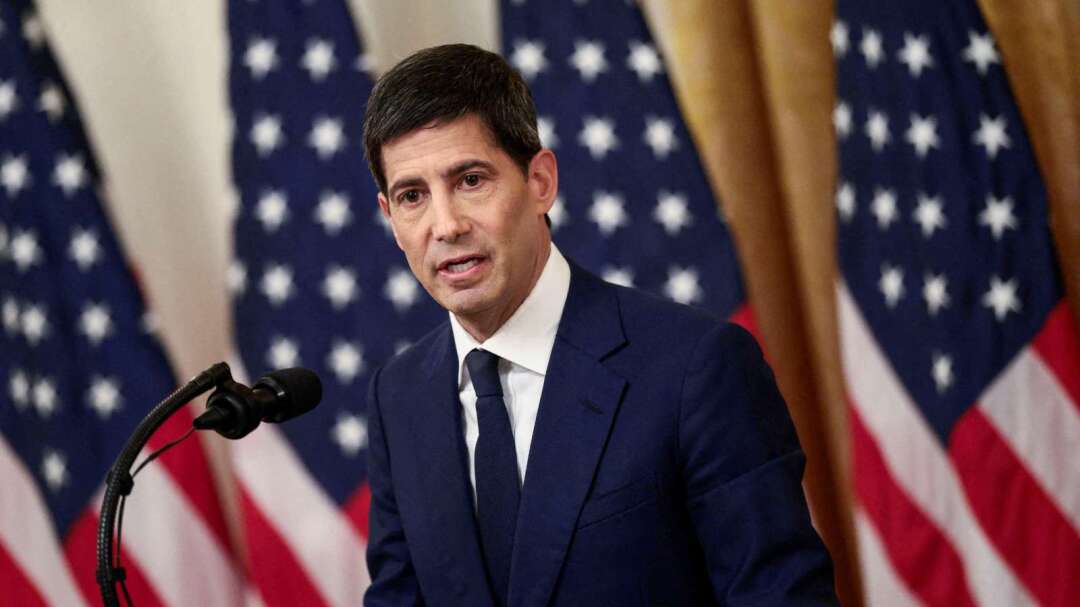
U.S. stocks and bonds experienced a rare 'double sell-off' on Wednesday (29th). Many investors attributed the decline to the Federal Reserve's (Fed) policy meeting, where three officials voted in favor of a rate hike, signaling a hawkish stance. However, upon closer examination of the Fed's statement and Chair Kevin Warsh's press conference, the real market focus may not have been the decision itself, but rather a revealing comment Warsh made during the Q&A session—sparking doubts about the Fed's resolve to combat inflation and angering the 'bond vigilantes'.
The U.S. bond market saw an unusual move. The 30-year Treasury yield surged 10 basis points in a single day, breaking above 5.21%—a level not seen since June 2007. In contrast, the 2-year Treasury yield dropped by 5 basis points, causing the yield curve to steepen rapidly. At the same time, inflation expectations rose, the dollar weakened, and U.S. equities plunged in late trading, resulting in a simultaneous sell-off across stocks and bonds.
In fact, the Fed's decision itself brought few surprises. As expected, the Fed held interest rates steady, with minimal changes to its monetary policy statement—marking the most concise statement in nearly 20 years.
The FOMC voted 9-3 to maintain rates, with the three dissenters advocating for a 25-basis-point hike—the first time since 2016 that three votes aligned in the same direction. Yet, from the time the decision was announced until Warsh's press conference began, financial markets remained relatively stable.
The turning point came during the Q&A session.
A journalist asked Warsh how the Fed would gauge policy direction through market signals after abandoning forward guidance, and whether recent market movements implied that policy rates should be higher.
Warsh responded that he wanted investors to trade independently of Fed messaging, allowing the central bank to observe undisturbed market signals—hence the Fed's recent reduction in forward guidance. He added that not only nominal interest rates but real interest rates had already tightened significantly, and that the market itself had done 'a considerable amount of work' for policymakers.
On the surface, this statement seemed unremarkable, but the market quickly interpreted it differently.
Sam Goldfarb, a journalist dubbed the 'new Fed whisperer,' analyzed that Warsh's remarks appeared to suggest that because long-term Treasury yields had been rising and borrowing costs had clearly increased, the Fed might not need to raise rates further in the short term to curb inflation.
This interpretation rapidly reflected in the bond market. Investors lowered their expectations for near-term Fed rate hikes, pushing down 2-year Treasury yields. At the same time, they aggressively sold long-term bonds, driving up 30-year yields to reflect higher future inflation risk.
Simultaneously, the spread between Treasury Inflation-Protected Securities (TIPS) and nominal Treasuries widened, signaling rising inflation expectations.
Interest rate markets also priced in a lower chance of a rate hike in September, while the probability for December increased—indicating that the market was recalibrating its expectations for the policy path.
Many market participants believe the true driver of this move was the collective reaction of 'bond vigilantes'.
Investors fear that while Warsh maintains a tough stance on inflation verbally, the actual policy may not be strong enough. As a result, they are demanding higher long-term yields to compensate for inflation risks over the coming years, while reducing expectations for immediate Fed action—leading to one of the most dramatic steepenings of the yield curve since the mid-1990s.
John Briggs, Head of U.S. Rates Strategy at Natixis Corporate & Investment Banking, said investors worry that Warsh is 'talking tough on inflation but not backing it up with action'.
Ben Emons, Managing Director of Fixed Income at Highline Asset Management, believes the rapid steepening of the yield curve reflects a loss of confidence in the Fed's policy credibility.
He warned that if the Fed only maintains hawkish rhetoric without corresponding actions, the market may perceive it as too slow to react if inflation heats up again.
Jack McIntyre, Portfolio Manager at Brandywine Global Investment Management, stated that the sharp rise in long-term yields reflects a lack of confidence—long-term bond investors simply do not believe Warsh can effectively control inflation.
Steve Sosnick, Chief Strategist at Interactive Brokers, went further: 'The market is calling out Warsh's bluff on inflation.' Once the bond market adjusts sharply, a stock market decline becomes almost inevitable.
Market attention has now shifted to the Jackson Hole central bankers' symposium at the end of August. Warsh indicated during his press conference that he may attend, but whether he will speak and what he will say remains uncertain.
Historically, Jackson Hole has been a key venue for the Fed to signal major policy shifts. Markets will closely watch whether Warsh clarifies his monetary policy stance and restores confidence in the Fed's commitment to fighting inflation.
FACT BOX
- Source: PR Times
- Category: News
- Organizations: Natixis / Highline Asset Management / Brandywine Global Investment Management