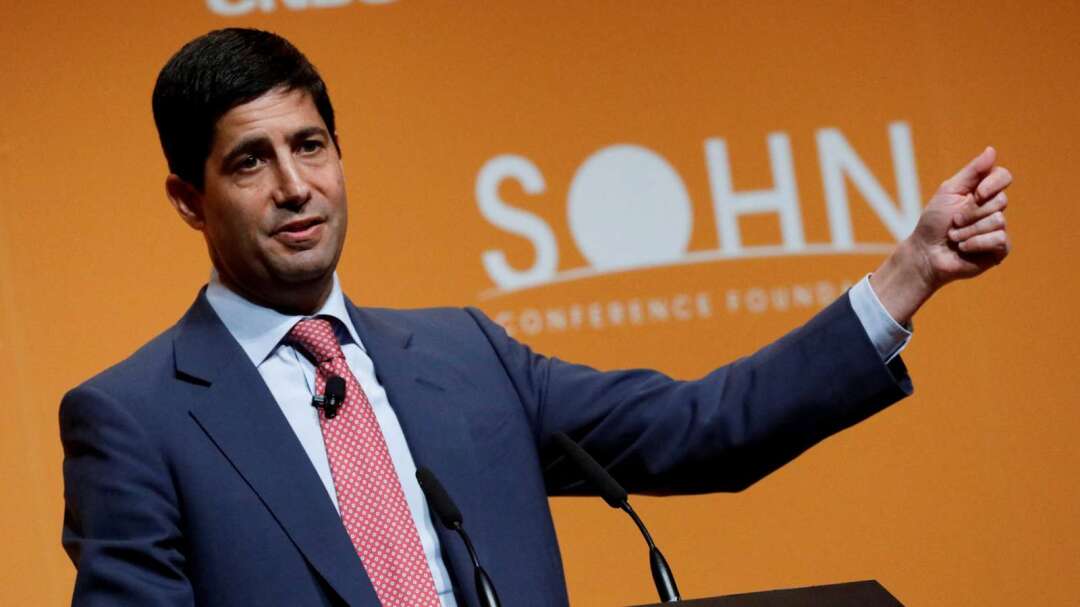
For Federal Reserve (Fed) Chair Kevin Warsh, who has long prioritized credibility, financial markets’ reaction to this week’s rate decision was likely jarring. On Wednesday, the Fed voted 9 to 3 to hold interest rates steady in the 3.5% to 3.75% range. Yet investors sharply reduced bets on a rate hike at the next meeting, while long-term U.S. Treasury yields spiked—triggering skepticism about Warsh’s resolve on inflation and his policy communication skills.
This marks Warsh’s second rate-setting meeting since taking over on May 22. After the press conference, 30-year Treasury yields rose to their highest level since 2007, while 2-year yields declined. The CME’s FedWatch tool showed the market’s probability of the Fed holding rates steady at the next meeting surged by 20 percentage points to 45%.
The divergence in long- and short-term yields reflects investor belief that the Fed will not immediately address inflation, which has remained above the 2% target for at least 63 consecutive months. Markets now fear the Fed may be forced into more aggressive tightening later as the economy continues to overheat.
Bond Market Skepticism and Policy Ambiguity
Before taking office, Warsh repeatedly criticized former Chair Jerome Powell, arguing that long-term Treasury yields rose after rate cuts due to Powell’s lack of credibility. Although the Fed did not cut rates this time—only holding them steady—Warsh claimed higher long-term yields could reflect positive economic signals like strong corporate investment. However, market participants largely rejected this explanation.
Jon Hilsenrath, a long-time Fed observer, noted that in the face of persistent inflation, Warsh should have clearly outlined the conditions under which he would support a rate hike. Instead, his failure to communicate such triggers led to fierce bond market sell-offs.
Warsh also declined to explain in detail why he and eight other officials deemed current rates appropriate. After taking office, he ended the Fed’s long-standing use of “forward guidance,” which previously signaled future rate paths. Warsh argued that forward guidance reduces policy flexibility and interferes with market-generated signals.
Warsh stated he understands the public’s desire for officials to provide forecasts and commentary, but emphasized the Fed must observe how markets react to developments in real time. However, this deliberate withholding of policy direction made the press conference appear vague and even contradictory.
Eric Winograd, U.S. Chief Economist at AllianceBernstein, said Warsh’s press conference was confusing, with many statements internally inconsistent. June’s U.S. Consumer Price Index (CPI) showed a 0.4% month-on-month decline—a data point Warsh could have used to highlight cooling inflation—but he dismissed it as having “little impact” on policy, while reiterating that inflation remains high.
PCE Stance Undermines Credibility Further
The Fed currently uses the Personal Consumption Expenditures (PCE) price index as its official inflation gauge, with a long-term target of 2%. Yet Warsh’s stance on PCE is equally unclear. He stated the Fed will continue using PCE for now, but one of five reform task forces he established may recommend reducing PCE’s role in the policy framework in a year-end report.
Warsh even said it remains unknown how the Fed will describe its policy strategy beyond January next year. Michael Feroli, U.S. Chief Economist at JPMorgan Chase, pointed out that Warsh’s refusal to specify rate-hike triggers, combined with his suggestion of potentially downgrading PCE’s importance, fuels doubts about his ability to bring inflation under control.
The Fed Chair does not set rates alone but holds just one vote among the 12-member Federal Open Market Committee (FOMC). This time, three officials opposed holding rates steady, advocating for a 25-basis-point hike. If inflation does not improve rapidly in the coming months, the number of officials supporting hikes may grow.
Feroli believes this will heighten the urgency for other policymakers to fulfill their inflation-fighting mandates. The Fed has never seen its chair fall into the minority on a rate vote. Yet if the hawkish camp expands, Warsh—just months into his tenure—could face a dual credibility test from both financial markets and within the Fed itself.
FACT BOX
- Source: PR Times
- Category: News