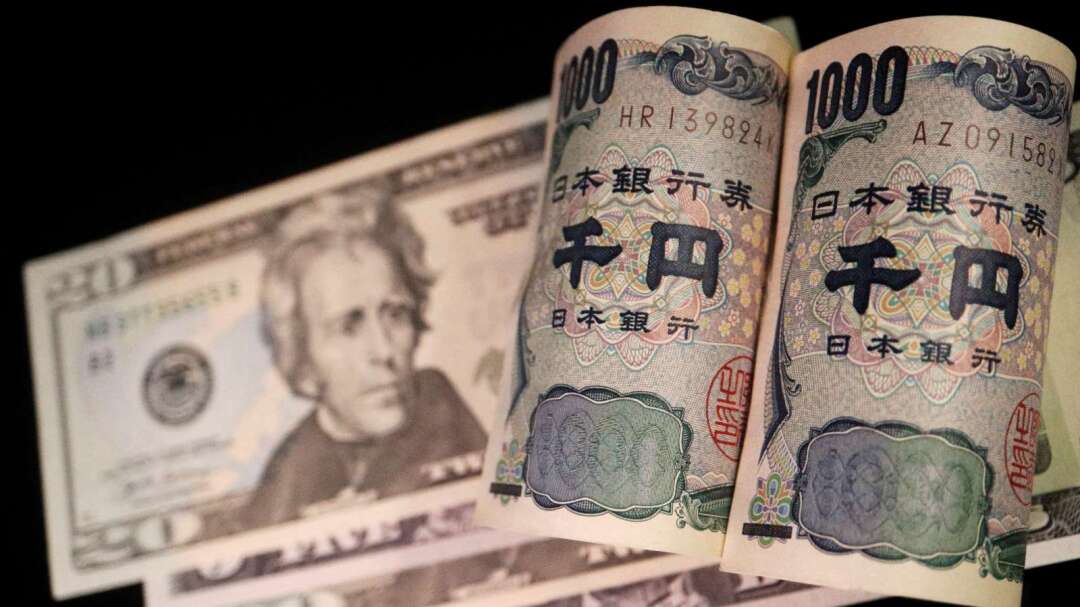
The Japanese government reportedly spent around $530 billion on March 30 to intervene in the forex market and support the yen. The scale of this intervention could set a new historical high for a single-day intervention by Tokyo authorities, underscoring Japan's determination to curb speculative yen short positions. However, it also reflects the increasing difficulty the authorities face in preventing yen depreciation.
According to Bloomberg, based on the Bank of Japan's (BOJ) account records released on Friday (March 31) and forecasts from currency market brokers, Japan's intervention amount is estimated to be around 8.45 trillion yen (approximately $528 billion). Japanese officials have not confirmed the intervention, but a market insider revealed that Japan indeed took action to support the yen, and U.S. authorities conducted a currency inquiry around 2:30 AM Tokyo time.
On Thursday, the yen surged 3.3% against the dollar during New York trading hours, marking the largest intraday gain since December 2023. Reports also emerged that Japan and South Korea may have coordinated forex intervention. According to Reuters, South Korea also sold dollars during New York trading hours, driving the won to its highest level since mid-October last year.
However, after the Bank of Japan decided to maintain its policy rate on Friday, the yen gave back some of its gains, trading at around 159.95 yen per dollar during Tokyo's evening trading session.
Japan's Ministry of Finance official Mitsuru Miyamura refused to confirm the intervention but hinted that Japanese authorities had support from other countries, including the United States. If the estimates are accurate, this would be Japan's first intervention since the end of April during the Golden Week. At that time, Japanese authorities used a record 11.73 trillion yen in a single month, but the Ministry of Finance has not disclosed the actual amounts for each trading day.
The Bank of Japan's forecast for Monday's current account balance, released on Friday, shows that the balance is expected to decrease by 8.2 trillion yen due to fiscal factors, contrary to the direction of the earlier estimates by Tokyo Short Resources, Central Short Resources, and Ueda-Yagi Short Resources, which predicted an increase. The Bank of Japan's first release of current account balance forecasts is typically considered the most reliable indicator for gauging the scale of forex intervention by the market.
FACT BOX
- Source: PR Times
- Category: News