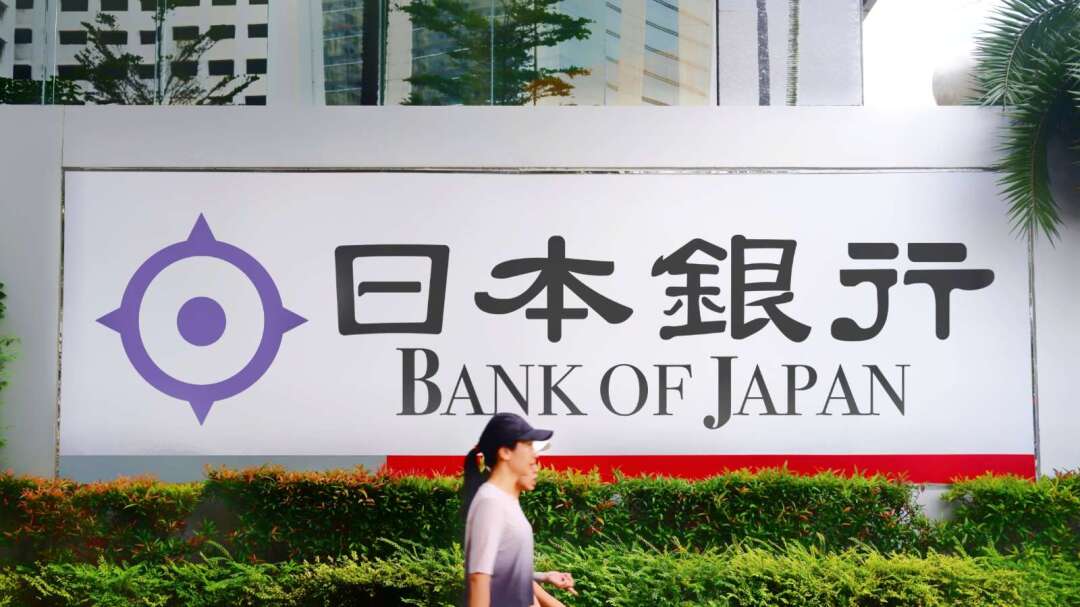
Bank of Japan Governor Kazuo Ueda said Friday (31st) that as Japan's core inflation rate gradually approaches the 2% stability target, 'upside price risks' have become a central consideration in policy-making. He stressed that while forecast errors carried little cost when inflation was far from the target in the past, a significant overshoot of inflation expectations could now have serious negative consequences for the Japanese economy.
At Friday's policy meeting, the BOJ decided to keep the policy rate unchanged at 1.0% by an overwhelming 8-to-1 majority. Governor Ueda reiterated after the meeting the risk that underlying inflation could exceed the 2% target and emphasized the importance of maintaining inflation around 2%.
On the recent yen weakness, Ueda noted that exchange rate fluctuations are increasingly influencing prices and listed them alongside Middle East tensions and AI-related demand as key analytical factors for future decisions. He emphasized that the BOJ aims to avoid falling 'behind the curve' and that if the economy and inflation evolve as expected while financial conditions remain excessively accommodative, the BOJ is highly likely to accelerate its pace of rate hikes.
Analyst Interpretation: Probability of Rate Hike in September or October Rises
Although the BOJ did not directly adjust rates this time, most strategists interpreted Ueda's remarks as having a 'substantively hawkish' tone.
JPMorgan strategist Ikue Saito pointed out that the BOJ revised up its inflation outlook and that Ueda mentioned 'in-depth discussions' at the next meeting, indicating that a rate hike in September remains possible.
Jun Takeda of Chugoku Research Institute believes Ueda's emphasis on price risks exceeded expectations, suggesting that an additional rate hike initially expected in December could be brought forward to October.
While some investors initially viewed Ueda as 'dovish' due to the lack of a concrete timeline, causing brief yen selling pressure, SMBC Nikko Securities' Rinto Maruyama analyzed that Ueda's repeated emphasis on upside risks above 2% actually demonstrated a strong hawkish stance.
Some experts, such as Yu Namio of T&D Asset Management, noted that policy consensus within the BOJ appears to be becoming more difficult. Although the government and BOJ may intervene to support the yen, if the BOJ is seen as a 'reluctant rate hiker,' yen depreciation pressures could persist.
FACT BOX
- Source: PR Times
- Category: News