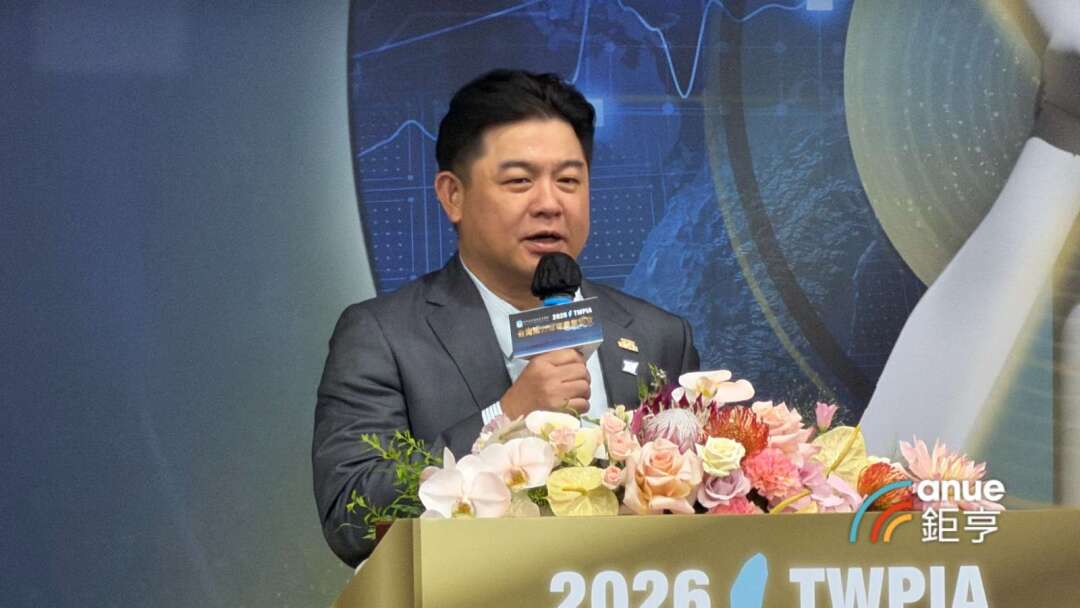
The Taiwan Wind Energy Association held its annual general meeting and peak forum today (31st). Hsu Yi-Te, General Manager of Huatech (1519-TW) and Chairman of the association, pointed out alongside the wind industry that predictability, bankability, executability, and supply chain resilience are critical foundations for advancing offshore wind industry development.
With the selection process for Taiwan’s offshore wind Round 3-3 approaching, Hsu emphasized that Round 3-3 is not merely a new round of site allocation, but is crucial to national energy security, green power supply, and the sustainable development of the local supply chain.
The Taiwan Wind Energy Association also hosted the 'Forum on Project Management and Risk Management under the Offshore Wind R3-3 Zone Development Selection Mechanism,' bringing together developers, turbine manufacturers, EPC contractors, and equipment suppliers for dialogue. Facing global challenges such as high interest rates, supply chain restructuring, and the anticipated concentration of wind farm grid connections around 2030, the wind industry presented four policy recommendations, urging the government to establish a stable, transparent, and predictable market mechanism as the foundation for the next phase of Taiwan’s offshore wind development.
First, the industry called for a stable and continuous release of project sites, which is key to sustaining investor confidence and ongoing supply chain investment, thereby enhancing market predictability. Second, in light of global high interest rates and capital market volatility, a comprehensive financing framework is needed. The industry recommended optimizing financing guarantees and financial support mechanisms to reduce development risks and attract more domestic and international capital into Taiwan’s offshore wind market.
Third, the industry noted that the concentrated construction and grid connection of numerous wind farms in the coming years will place significant pressure on engineering personnel, construction vessels, port facilities, equipment, and grid resources. It recommended optimizing grid connection processes and administrative coordination to improve project execution efficiency. Finally, the industry emphasized that Taiwan has already established a complete local offshore wind supply chain and must now strengthen its resilience to enhance international competitiveness.
Hsu reiterated that the true challenge for the offshore wind industry is not the scale of installed capacity, but rather the four key factors: predictability, bankability, executability, and supply chain resilience.
FACT BOX
- Source: PR Times
- Category: Event