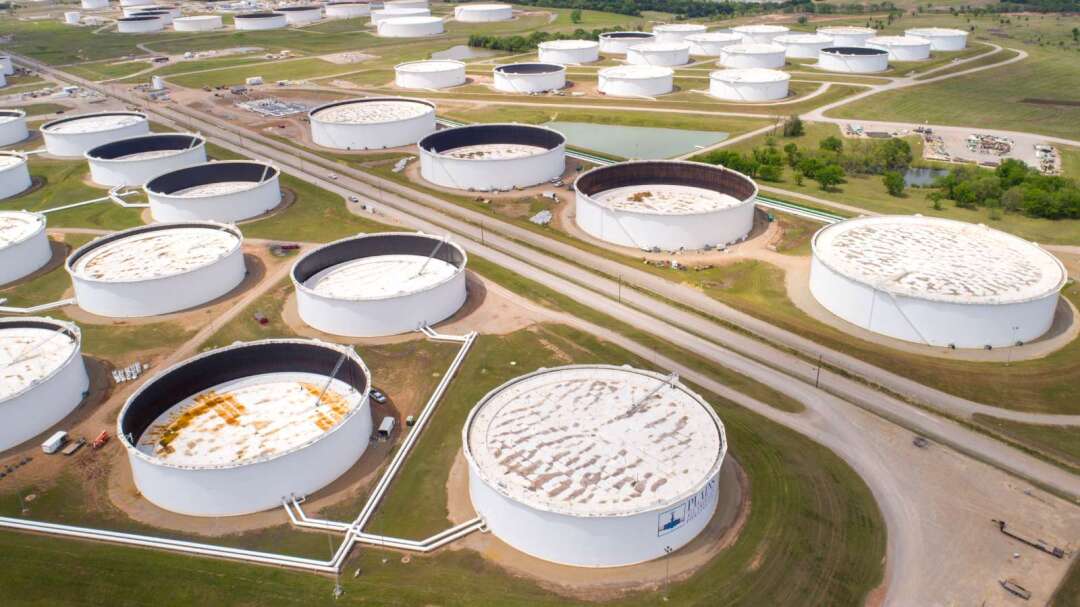
ExxonMobil (XOM-US) and Chevron (CVX-US) jointly warned after releasing their second-quarter earnings that ongoing conflict in Iran is disrupting global energy supplies. Combined with declining refined product exports from China, Russian refinery shutdowns, and maintenance activities, the global market for diesel and other refined products is expected to remain tight. Fuel prices are likely to stay elevated in the second half of the year, benefiting refiners with sustained high profitability.
Both companies reported significant growth in refining profits during the second quarter, driven by declining global fuel inventories and constrained refined product supply, which boosted refining margins.
Chevron CEO Mike Wirth stated during the earnings call that demand for middle distillates such as diesel and heating oil is expected to remain robust in the long term, meaning product prices could face upward pressure into the third quarter and beyond.
"We expect product prices to continue facing upward pressure, at least into the third quarter and possibly longer," Wirth said. "Long-term demand for middle distillates, including diesel and heating oil, is unlikely to decline significantly."
As energy supply tightens, U.S. gasoline retail prices last week surpassed $4 per gallon again, increasing consumer burden and creating political pressure for the Trump administration and the Republican Party. With the November U.S. midterm elections approaching, high fuel prices could become a key economic issue influencing voter sentiment.
To increase market supply, both major U.S. oil companies said they are maintaining high-capacity operations.
ExxonMobil reported that its U.S. refineries operated at high utilization rates in Q2, achieving record-high diesel production. Chevron stated that its U.S. refining system averaged over 1 million barrels per day in processing capacity for the first time, also setting a historical record.
However, ExxonMobil Chairman and CEO Darren Woods cautioned that the current high utilization rates across global refineries are not sustainable long-term. He emphasized that restoring normal shipping through the Strait of Hormuz is essential to truly improve supply.
"The current high utilization rates cannot be sustained indefinitely, so I believe global refining supply tightness will persist for some time," Woods said in a CNBC interview.
He noted that ExxonMobil operates the largest refining footprint outside China, but disruptions in crude oil supply are complicating downstream operations. Without the restoration of normal shipping through the Strait of Hormuz, global crude supply will remain constrained.
Both companies also highlighted the need for routine maintenance. Chevron estimated that refinery turnarounds in Q3 will reduce downstream earnings by $175 million to $225 million. ExxonMobil said its Q3 maintenance will be smaller than in Q2, helping to mitigate the impact on profits.
On financial performance, ExxonMobil's adjusted downstream earnings reached $4.1 billion in Q2, a significant year-on-year increase. However, RBC Capital Markets analyst Biraj Borkhataria noted that given ExxonMobil's vast global refining capacity, some investors had expected even stronger refining results.
Overall, ExxonMobil's Q2 earnings per share slightly missed consensus estimates, while Chevron exceeded Wall Street expectations. Following the earnings release, ExxonMobil's stock dipped about 1%, while Chevron's rose approximately 2%.
Market analysts point out that the global diesel market is simultaneously affected by the Iran conflict, China's export policies, damaged Russian refining capacity, and low inventory levels. Even if international crude supply does not worsen further, refined product markets may remain in deficit, supporting refining margins and fuel prices through the second half of the year.
FACT BOX
- Source: PR Times
- Category: News
- Organizations: RBC Capital Markets