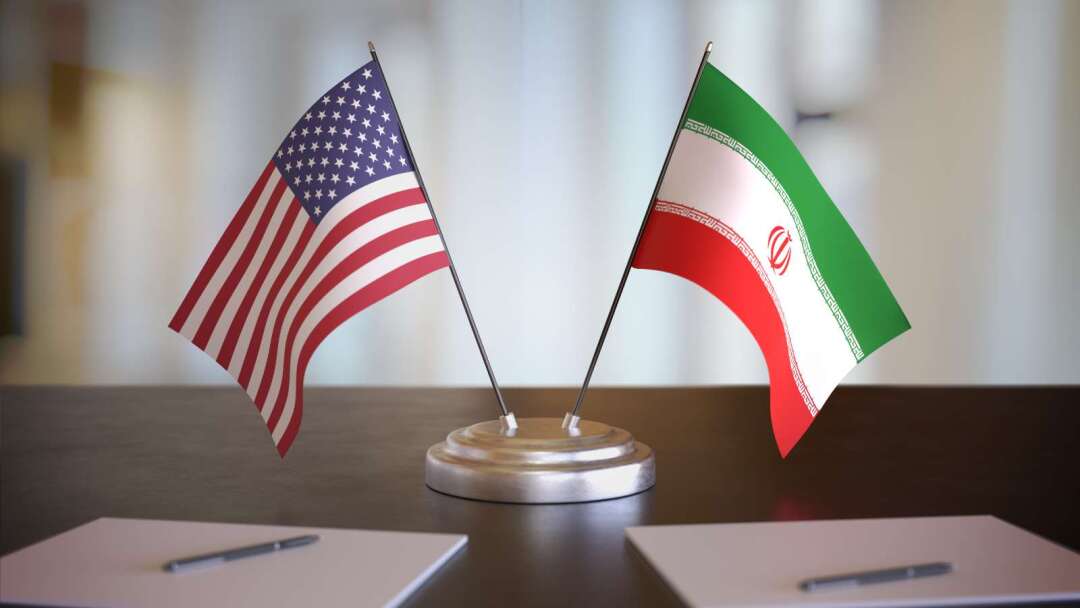
U.S. President Donald Trump confirmed that negotiations between the United States and Iran will take place on Monday (3rd), though he declined to set a final deadline for an agreement. Previously, he stated he had called off an imminent military strike, hoping to quickly reach a deal to reopen the Strait of Hormuz and resolve the deadlock over Tehran's nuclear capabilities.
According to Reuters, Trump posted late Saturday (1st) on his social media platform Truth Social, stating that Iran and other Middle Eastern nations had requested more time to finalize an agreement that would ensure the 'immediate, complete, and full' reopening of the Strait of Hormuz and 'end Iran’s nuclear threat.' However, he emphasized that Tehran must 'quickly reach an agreement.'
On Sunday (2nd), while returning to Washington D.C. after a weekend in New Jersey, Trump told reporters that talks would begin on Monday afternoon but did not disclose the location or participants.
When asked whether he had set a deadline for Iran to reach an agreement, Trump refused to answer.
He said: 'Do I prefer reaching an agreement? I don’t want to kill people, because people die—many people die—and we don’t want that.'
Since launching joint military actions with Israel against Iran in late February, Trump has repeatedly threatened to escalate hostilities to gain leverage in negotiations. However, no comprehensive agreement has yet been reached.
Following days of mutual threats of renewed attacks, Trump now appears to be de-escalating tensions—a significant shift in the ongoing conflict. The fighting has already spread from the Persian Gulf to the Red Sea, affecting even a facility along Egypt’s Mediterranean coast.
After the war erupted, Iran significantly blocked the Strait of Hormuz. Before the conflict, this strait carried about 20% of the world’s crude oil and liquefied natural gas shipments, so the blockade pushed up energy prices and further intensified overall inflationary pressures.
Trump argues that preventing Iran from acquiring nuclear weapons is a core U.S. objective, justifying even short-term fuel price increases. However, the economic pressure from rising energy costs has increased political pressure on him to find a way to end the conflict.
International oil prices fell more than 4% during Monday morning trading.
Iran’s Diplomatic Outreach
Iranian state media reported on Sunday that Foreign Minister Abbas Araqchi held phone calls with Saudi Arabia’s Foreign Minister Prince Faisal bin Farhan and Pakistan’s Army Chief General Asim Munir to discuss diplomatic mediation efforts.
Iran’s official news agency IRNA previously cited Araqchi as saying that Tehran’s talks with Oman on issues related to the Strait of Hormuz had entered the final stage.
However, Iranian Foreign Ministry spokesperson Esmaeil Baghaei stated that the negotiation focus was on agreeing to a new shipping route, emphasizing that it was 'unrelated to whether the Strait of Hormuz is open or closed—that is a separate independent issue.'
Last month, Iran publicly rejected a proposal by Oman—supported by Gulf states—for managing the Strait of Hormuz. Sources previously told Reuters the plan included voluntary fees for vessels using the strait.
Meanwhile, Israeli Energy Minister Eli Cohen, also a member of Prime Minister Netanyahu’s security cabinet, said Israel and the U.S. continue close security and intelligence cooperation on all developments in the region.
He also warned: 'Regardless of whether an agreement is reached or any external commitments exist, if Iran attempts to restart its nuclear program or advance its ballistic missile industry, we will act and carry out strikes.'
Trump and Netanyahu met in Washington D.C. last Tuesday. An Israeli official said both sides discussed all possible means to curb Iran’s nuclear ambitions, including diplomacy, economic pressure, and military options. Iran has repeatedly denied seeking to develop nuclear weapons.
FACT BOX
- Source: PR Times
- Category: News