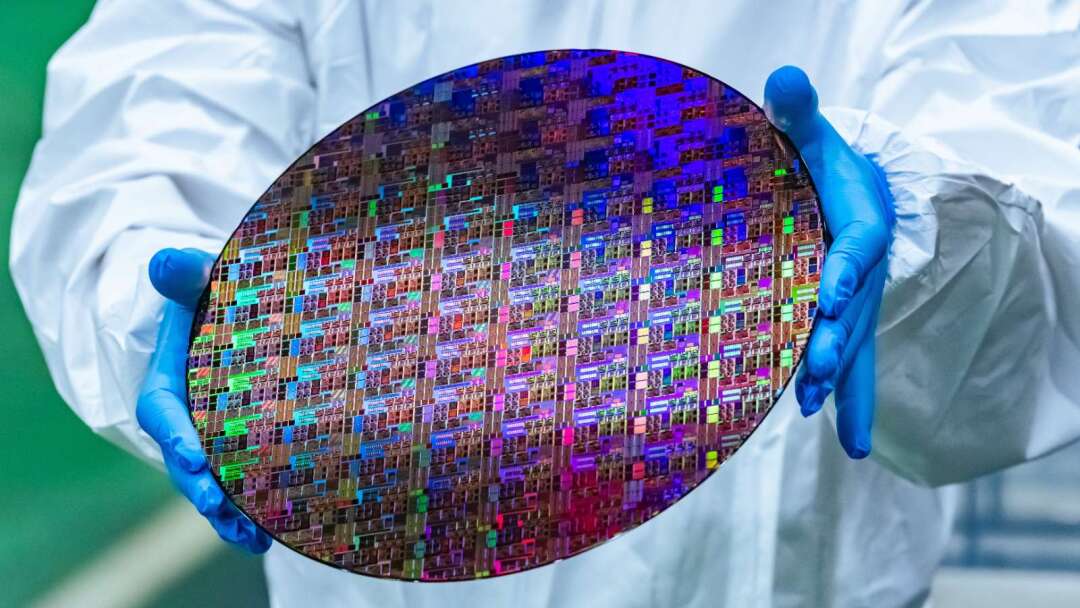
Recently, the semiconductor industry has experienced significant volatility, with the Philadelphia Semiconductor Index dropping over 11% from its June all-time high. Despite this, it still maintains an impressive year-to-date gain of approximately 83%. The primary driver behind this surge has been the explosive demand for memory chips fueled by artificial intelligence.
According to forecasts from the World Semiconductor Trade Statistics (WSTS), the global semiconductor market is expected to reach $1.51 trillion this year, representing a year-on-year increase of about 90%. Notably, the memory chip segment alone is projected to grow nearly 250%.
However, as stock prices rise, market sentiment is becoming increasingly divided. On one hand, investment in AI infrastructure continues to expand, with global cloud and AI infrastructure capital expenditures projected to approach $1.5 trillion by 2027.
JPMorgan maintains an "overweight" rating on the semiconductor sector, believing that supply chains related to AI computing, memory, and networking equipment will continue to benefit.
Citigroup recommends Broadcom, Texas Instruments, and Applied Materials as top picks, viewing the recent pullback as a healthy correction.
On the other hand, elevated valuations and uncertainty regarding returns on AI investments are raising investor concerns.
Since the beginning of the year, the previously dominant one-way rally in semiconductor stocks has begun to unravel, triggering sharp fluctuations. Investors are growing increasingly worried that the AI spending spree may not be sustainable.
In July, the Philadelphia Semiconductor Index plunged 21%, marking its worst monthly performance since October 2008 during the height of the global financial crisis.
For nearly half of the trading days in July, the index—which tracks the world’s 30 largest chipmakers—recorded closing moves of no less than 4%. All 22 trading days saw intraday swings of at least 2%, a phenomenon not seen since 2020.
Additional data shows that funds tracking U.S. semiconductor stocks recorded about $11 billion in outflows during the last week of June, the largest single-week outflow this century.
Short-selling pressure is also building, with short positions in major semiconductor companies reaching a three-year high. Interactive Brokers’ chief market strategist noted that while earnings growth is unprecedented, the key question remains: how long can this momentum last?
Analysts advise investors to adopt selective strategies—focusing on structural growth opportunities while remaining vigilant against cyclical risks.
Stephen Evans, Chief Investment Officer at Pave Finance, said: "This volatility truly reflects the widespread uncertainty we’re seeing today. No one knows how things will unfold. I believe this chip cycle still has room to run, and investors can maintain long positions—but only if they can withstand a rollercoaster ride like Disneyland’s."
FACT BOX
- Source: PR Times
- Category: News