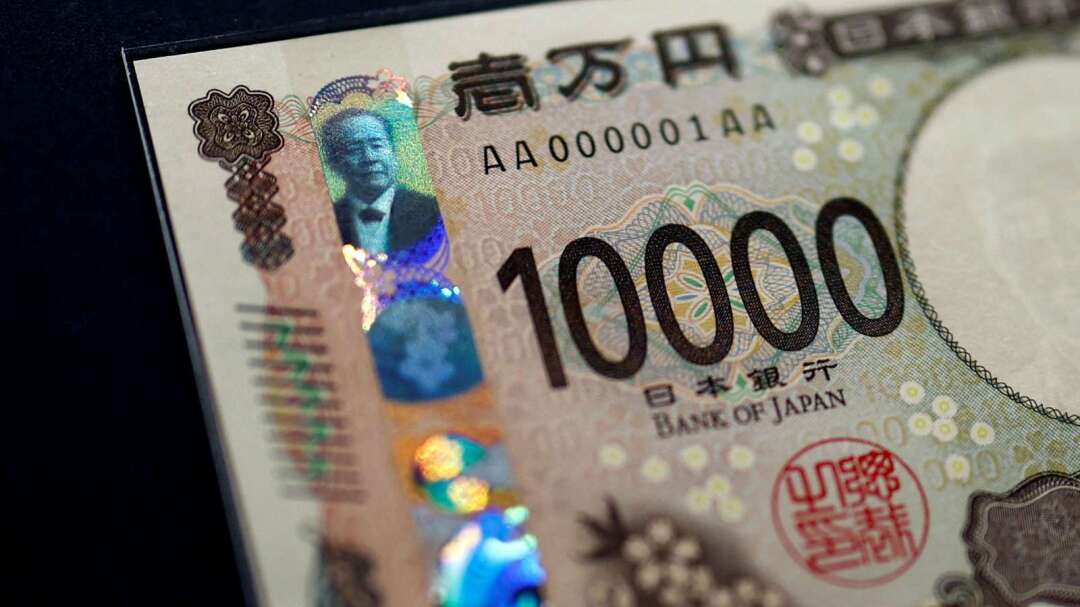
The US took the rare step of supporting Japan in stabilizing its currency market, prompting the yen to surge nearly 5% over recent trading sessions, with USD/JPY falling from above 163 to around 157. Although coordinated intervention helped the yen rebound sharply from a 40-year low, most analysts believe this rally will not be sustainable unless Japan's fundamentals—such as interest rates, fiscal policy, and capital flows—undergo significant change.
The yen briefly weakened past 163 per dollar last week, prompting Japan to launch large-scale intervention, with the US offering rare assistance. However, as initial buying momentum cooled, the yen gave back some gains on Monday (3rd), highlighting investor skepticism about its long-term outlook.
UBS strategists Tan Teck Leng and Dominic Schnider pointed out that Japan’s current policy mix remains insufficient to drive sustained yen appreciation. Even though the Bank of Japan is expected to gradually normalize monetary policy, the pace of rate hikes remains slow, and real interest rates—adjusted for inflation—continue to stay negative.
Under these conditions, the main support for the yen isn’t domestic monetary policy but market fears of further official intervention. In other words, traders may be reducing their short positions out of fear of sudden yen-buying by Japanese authorities, but they are not necessarily willing to hold yen long-term based on fundamentals.
US Reportedly Sold Euros to Buy Yen—Limited Impact on the Dollar
When Japan intervened in the forex market in 2022 and 2024, it primarily sold dollars and bought yen to boost the currency. The market widely assumes Japan used the same method this time; however, multiple reports suggest the US Treasury may not have sold dollars, but instead sold euros to purchase yen.
Regardless of the actual operation, the dollar’s reaction on Monday remained relatively mild. Chris Turner, head of markets at ING, said the dollar showed resilience, likely because the Federal Reserve’s (Fed) decision on a September rate hike remains uncertain.
If the Fed hikes rates again, US Treasury yields could rise further, attracting more international capital into dollar-denominated assets, thereby strengthening the dollar and weakening the yen. Therefore, even with joint US-Japan intervention, sustained declines in USD/JPY are unlikely as long as the US-Japan interest rate differential remains high.
HSBC analysts also noted that for the yen to enter a sustained upward trend, the Bank of Japan’s policy must undergo a structural shift. Unless the BoJ accelerates rate hikes, the Japanese government clearly signals opposition to yen depreciation, and reduces its appetite for fiscal expansion, there is insufficient basis to predict that USD/JPY will enter a downward trend.
Questions Over US Intervention Method—Effectiveness May Be Weakened
Robin Brooks, senior fellow at the Peterson Institute for International Economics, warned that coordinated US-Japan intervention could backfire and undermine market confidence in the yen.
If the US indeed sold euros instead of dollars to buy yen, investors might infer that Washington acted to prevent Japan from selling US Treasuries to fund its intervention. Historically, joint currency interventions have typically used dollar assets as the funding source, making the reported US approach surprising to markets.
Brooks believes this arrangement could weaken the credibility of US involvement, as investors may question why the US didn’t simply sell dollars to buy yen. Such doubts could not only reduce the policy signal’s credibility but also draw more attention to whether Japan faces constraints in its use of dollar-denominated assets.
Overall, US support has successfully prevented the yen from collapsing in the short term. However, without faster rate hikes by the Bank of Japan, continued fiscal expansion by the Japanese government, and the possibility of further Fed rate hikes, the support from intervention may prove temporary. Ultimately, whether the yen can truly escape its long-term weakness depends on policy fundamentals—not one-off official currency operations.
FACT BOX
- Source: PR Times
- Category: News
- Organizations: UBS / ING / HSBC