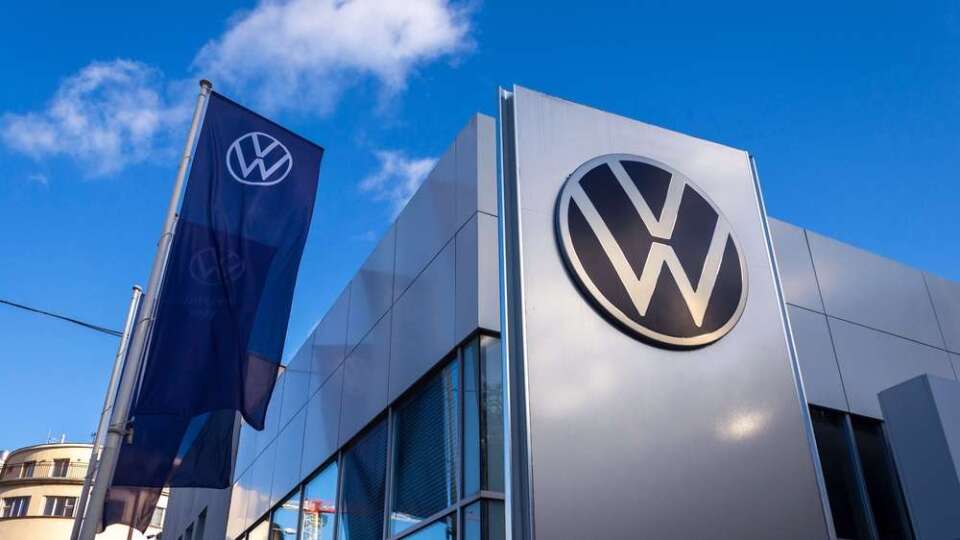
Germany's automotive industry is facing its most severe turning point in a century. Iconic manufacturers that once symbolized the strength of 'Made in Germany' are now announcing large-scale layoffs, reflecting unprecedented transformation pressures driven by the rise of electrification, intelligent vehicles, and intensifying global competition. The recent restructuring plans unveiled by Volkswagen Group and BMW have become emblematic events in this industrial upheaval, prompting renewed scrutiny of Germany’s long-standing automotive dominance.
The first major shock came from Volkswagen Group. According to German media reports, Volkswagen is launching the largest organizational downsizing in its 100-year history, expanding its initial plan to cut 50,000 jobs in Germany to approximately 100,000 job cuts globally.
With around 667,000 employees worldwide, this reduction represents about 15% of Volkswagen’s total workforce. In Germany alone, where it employs roughly 300,000 people, nearly 17% will be affected—underscoring the extraordinary scale of this overhaul.
While the impact of Volkswagen’s announcement was still reverberating, BMW followed suit with its own layoff plan. Germany’s Handelsblatt reported that BMW will begin global workforce optimization starting October this year, aiming to reduce approximately 8,000 employees by the end of next year—about 5.3% of its 150,000 global staff.
Although the percentage is lower than Volkswagen’s, BMW’s cuts primarily target administrative management, R&D planning, and certain technical support departments rather than production line workers. This suggests BMW aims to enhance operational efficiency and streamline management structures to meet the challenges posed by rapid industry transformation.
Behind both companies’ drastic workforce reductions lies a common cause: soaring costs associated with electrification and digitalization, slowing growth in traditional internal combustion engine (ICE) vehicle markets, and escalating global competition—all forcing automakers to slash costs to maintain profitability.
BMW’s recent financial performance clearly illustrates this pressure. Both revenue and profits declined in 2025 compared to the previous year, with conditions worsening in 2026. First-quarter 2026 revenues dropped 8.1% year-on-year, pre-tax profit plunged 24.6%, and net profit fell 23.1%, highlighting rising profitability pressures during the transition phase.
Notably, weak performance in the Chinese market has become a key factor weighing on BMW’s results. The company achieved a peak of nearly 850,000 vehicle sales in China in 2021, but volumes have declined steadily since. It recorded its first annual sales decline since 2005 in 2022, dropped to 625,500 units in 2025, and saw another 20.4% year-on-year decrease in the first half of 2026.
Data shows that as new energy vehicles (NEVs) and smart features become mainstream, Chinese consumers are shifting preferences away from traditional luxury brands, increasing competitive pressure on BMW.
In reality, Volkswagen and BMW are not isolated cases but reflect a broader industry-wide adjustment across Germany. Porsche recently announced an additional 5,000 job cuts, bringing its total planned reductions to around 9,000—over 20% of its workforce. Mercedes-Benz continues to push forward its largest-ever workforce optimization, targeting cumulative cuts of 30,000 employees by the end of 2027.
Moreover, major auto parts suppliers such as Bosch, Schaeffler, ZF Friedrichshafen, and Continental have also announced layoff plans ranging from several thousand to tens of thousands of employees, indicating that the entire automotive supply chain is undergoing painful transformation.
This wave of layoffs is already affecting Germany’s broader industrial sector. Data reveals that German industrial firms collectively cut 124,000 jobs in 2025—nearly double the figure from the previous year—with the automotive sector being the hardest hit. The German Association of the Automotive Industry (VDA) warns that up to 200,000 jobs could disappear in the coming years.
For decades, the automotive industry has been a cornerstone of the German economy, contributing approximately 5% to GDP and accounting for about 20% of industrial value-added. However, as the global automotive center rapidly shifts toward electrification and intelligence, the competitive advantages German automakers built on ICE technology are being challenged.
The successive large-scale layoffs by industry leaders like Volkswagen and BMW not only signal the end of Germany’s golden era of high growth and generous benefits but also highlight a fundamental reshaping of the global automotive landscape, as former industry titans face unprecedented tests.
FACT BOX
- Source: PR Times
- Category: News
- Organizations: Volkswagen / BMW / Porsche