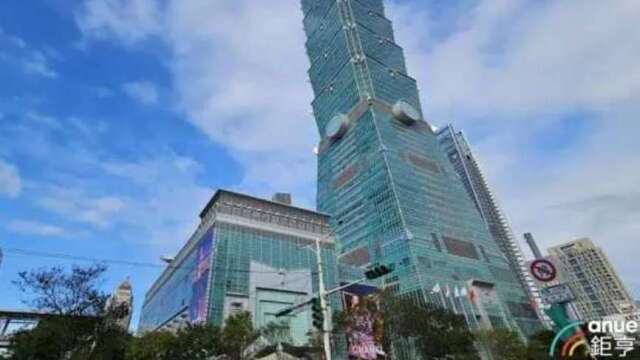
The Tourism Administration, Ministry of Transportation and Communications, released today (3) the results of the '114th Inbound Visitor Expenditure and Trend Survey.' In 2025, a total of 8,574,547 visitors came to Taiwan, an increase of 9.12% compared to 2024. Total tourism expenditure reached $11.033 billion (approximately NT$343.857 billion), up 10.02% from the previous year. The growth rate in spending outpaced visitor growth by 0.9 percentage points, with U.S. travelers recording the highest daily per capita expenditure at $242.84.
The Administration noted that the survey reveals not only continued growth in visitor numbers but also simultaneous improvements in tourism revenue and market efficiency. The source market structure is becoming increasingly diversified, indicating that Taiwan's tourism industry is transitioning from a focus on volume to a new phase emphasizing quality, effectiveness, and market value.
Data shows that in 2025, inbound tourists spent an average of $185.14 per person per day, a 1.26% increase from 2024, with an average stay of 6.95 nights. As visitor numbers continue to rise, so too do tourism output and market benefits, while the visitor composition becomes more diversified.
The Administration highlighted five key trends from the survey: 'earlier travel planning,' 'deepening independent travel,' 'growth in experiential spending,' 'deepening travel content,' and 'diverse markets jointly driving tourism growth.' These reflect ongoing shifts in international tourists’ travel behaviors, consumption patterns, and market structures, indicating that Taiwan’s tourism competitiveness is expanding beyond scenic attractions to include cultural uniqueness, lifestyle experiences, service quality, and marketing capabilities.
The survey also found that international travelers began planning their Taiwan trips an average of 46.74 days before departure in 2025, 5.69 days earlier than in 2024. The proportion of fully independent travelers reached 76.4%, making it the dominant travel model. The most influential sources affecting final decisions to visit Taiwan were personal travel blogs (67.58%) and traveler reviews (59.31%), underscoring that authentic experience sharing and social media word-of-mouth have become critical competitive factors. This indicates that international tourism competition has shifted forward from the travel experience phase to the pre-trip decision-making stage.
The Administration emphasized that different travel purposes generate distinct tourism values. Leisure, recreation, and holiday travelers remain the foundation of inbound tourism. However, business travelers spent an average of $235.38 per day, and MICE (Meetings, Incentives, Conventions, and Exhibitions) visitors spent $274.51—both exceeding the overall average of $185.14—demonstrating high added value.
Notably, MICE travelers’ average daily entertainment expenditure rose to $13.59, a 42% increase from $9.57 the previous year. This suggests that MICE attendees are increasingly engaging in cultural, leisure, and local experiences beyond conferences and exhibitions, thereby enhancing overall tourism benefits.
By source market, Japan was the largest single market in 2025, accounting for 17.3% of total arrivals. Regionally, the seven core New Southbound Policy countries accounted for 30.07% of inbound visitors, generating $3.725 billion in tourism revenue—33.76% of the total—making it the top-performing regional market.
Additionally, visitor growth from the Philippines (+123.11%), India (+114.33%), New Zealand and Australia (+109.05%), Vietnam (+105.11%), Europe (+104.33%), and Indonesia (+102.26%) has already surpassed pre-pandemic (2019) levels. This demonstrates the success of Taiwan’s recent proactive efforts to diversify its international markets, resulting in a more balanced, diverse, and resilient inbound visitor structure.
FACT BOX
- Source: PR Times
- Category: Survey