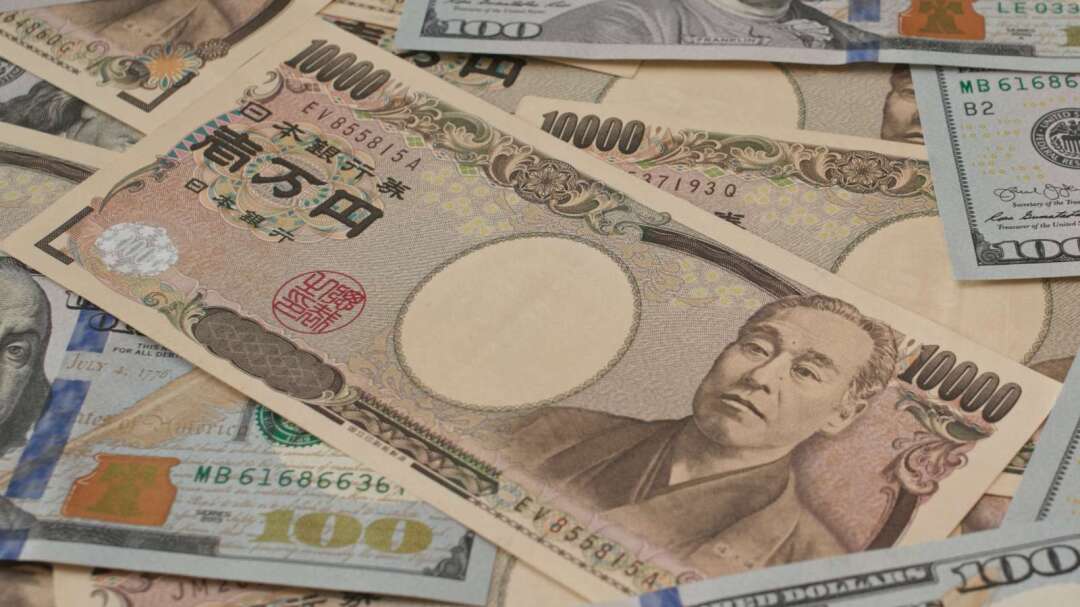
The U.S. Treasury, last Friday (July 31), coordinated with Japan's Ministry of Finance to directly purchase yen—a rare bilateral intervention not seen since 1998 and the first joint market support outside a multilateral framework since 2011. The move came as the yen hit a nearly 40-year low against the U.S. dollar. President Trump packaged the action as a 'decades-long first in jointly defending the yen—a signal of friendship,' while Treasury Secretary Besent called it 'support for a trusted partner.'
However, Washington-based think tanks and markets overwhelmingly expressed skepticism. Jonathan Fortun Vargas, Senior Economist at the Institute of International Finance (IIF), said: 'There’s no such thing as a free lunch. We understand Trump’s style.'
Charles Lichfield, Director of Economic Foresight and Analysis at the Atlantic Council, cut to the core: Washington’s top priority is preventing a surge in U.S. Treasury yields, far outweighing any geopolitical theater.
First, Japan is the largest foreign holder of U.S. Treasuries. If Tokyo sells U.S. bonds to buy dollars in defense of the yen, the $31 trillion U.S. bond market could face cascading sell-offs. Notably, the 10-year U.S. Treasury yield hit its highest level since Secretary Besent took office just last Friday.
On Sunday (August 2), Besent specifically highlighted the FIMA Repo mechanism, which allows Japan to pledge U.S. Treasuries as collateral to obtain dollar liquidity without actually selling its holdings—effectively tying 'yen rescue' and 'Treasury stability' onto the same boat.
Second, Washington wants Japan to fulfill its $550 billion commitment to invest in the U.S. and make further concessions in trade negotiations. Japan is also set to revise its national security priorities in the second half of the year, with increased defense spending expected to become Trump’s next leverage card. Meanwhile, Prime Minister Sanae Takagi’s approval ratings are slipping, and Washington’s currency intervention also aims to shore up a fellow conservative leader—an approach similar to last year’s support for Argentina.
Third, Secretary Besent has repeatedly criticized the Bank of Japan (BOJ) for moving too slowly on inflation control and is scheduled to meet BOJ Governor Kazuo Ueda this month.
Yusuke Matsuo, Senior Market Economist at Mizuho Securities, pointed out that coordinated intervention and pressure on the BOJ to raise rates form a single strategic package. The goal is to prevent a sharp rise in Japanese government bond yields from spilling over into U.S. Treasuries. Markets now price in nearly a 50% chance of a BOJ rate hike next month and around 90% by October.
As of Tuesday morning (August 4), the yen remains above pre-intervention levels. However, how long this 'friendship' lasts depends on when the BOJ raises rates, whether Prime Minister Takagi expands fiscal policy again, and whether the U.S. Treasury yield curve ultimately accepts the arrangement.
FACT BOX
- Source: PR Times
- Category: News