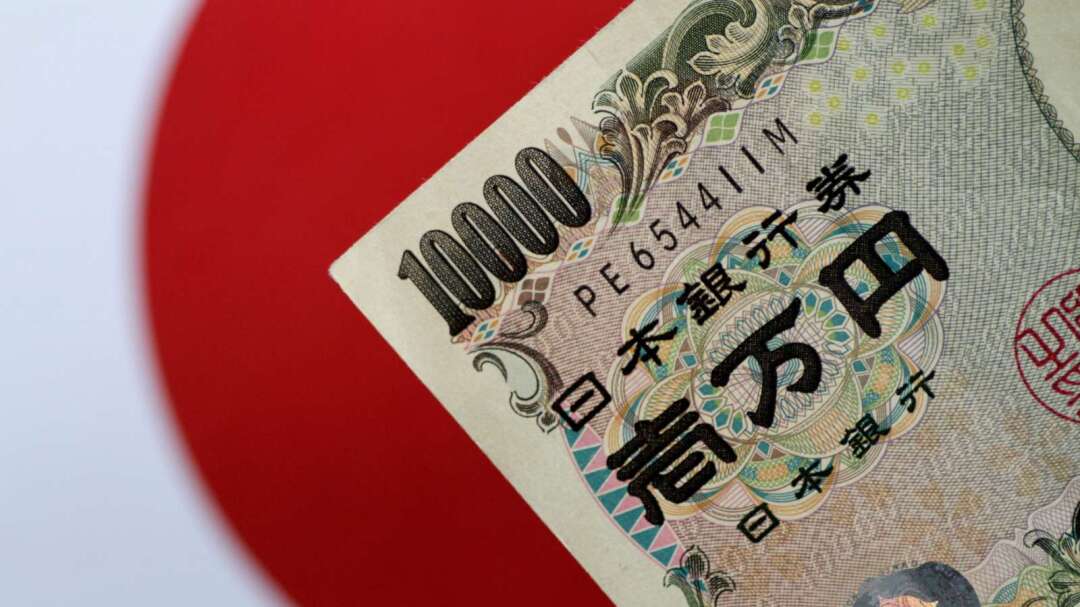
U.S. Treasury Secretary Scott Bessent said Tuesday (April 4) that the United States’ unusual decision to join Japan in buying the yen stemmed from concerns that continued yen weakness could pressure other Asian countries to devalue their own currencies, potentially destabilizing regional and global financial markets.
Speaking on CNBC’s 'Squawk Box,' Bessent emphasized that a stable yen is crucial not only for the United States but for all of Asia. He warned that a sharp depreciation of the yen could create downward pressure on other currencies, noting that the South Korean won has already experienced significant volatility and concerns exist about potential undervaluation of the Chinese yuan.
Considering Japan’s trade volume, economic size, and its contribution to global savings markets, Bessent stressed that maintaining yen stability is vital. He added that the Japanese government understands this importance, and the U.S. is willing to support Japan in implementing relevant policies to help stabilize Asian markets.
This move marks a rare instance of the U.S. stepping in to support another major currency, highlighting Washington’s concern that prolonged yen weakness could not only increase Japan’s import costs and inflation but also exert downward pressure on other Asian currencies, potentially spreading financial instability to global markets.
In this joint U.S.-Japan intervention, the U.S. Treasury used foreign exchange reserves to sell euros and used the proceeds to buy yen. Bessent assured European officials that the sale of euros was merely a rebalancing of U.S. foreign reserves, not an intentional effort to weaken the euro.
Bessent stated that the U.S. and Japan jointly entered the market to buy yen after determining the currency had become 'severely undervalued.' The two governments have maintained close communication, and Washington believes Japan will adopt appropriate policies to gradually return the yen to a more normal level.
However, Bessent acknowledged that while interventions can temporarily curb market volatility, they cannot single-handedly determine the yen’s long-term trajectory. He emphasized that governments can send signals through intervention, but it is policy—not intervention—that ultimately shifts exchange rate trends.
He declined to directly comment on whether the Bank of Japan should raise interest rates, stating instead that Japanese officials must implement broader policies after the intervention to address the root causes behind the yen’s weakness. The U.S. decided to participate in this action because it remains optimistic about Japan’s upcoming policy direction.
FACT BOX
- Source: PR Times
- Category: News