US Treasury Secretary Scott Bessent, in a Tuesday (4th) interview with NHK, expressed strong confidence in Bank of Japan (BOJ) Governor Kazuo Ueda, stating he has known him for over 15 years. He affirmed, 'I deeply believe Governor Ueda will make the best decisions for the Japanese economy,' signaling Washington's trust in BOJ's policy direction.
Bessent attributed Japan's rising inflation to the weak yen and higher energy prices. However, he added, 'Once energy prices stabilize and the excessive weakness of the yen is corrected, inflation will likely ease, allowing the Japanese economy and the yen to enter a “virtuous cycle.”' These comments are being interpreted by markets as the US openly betting on a rate hike by the BOJ at its upcoming meeting on September 17–18.
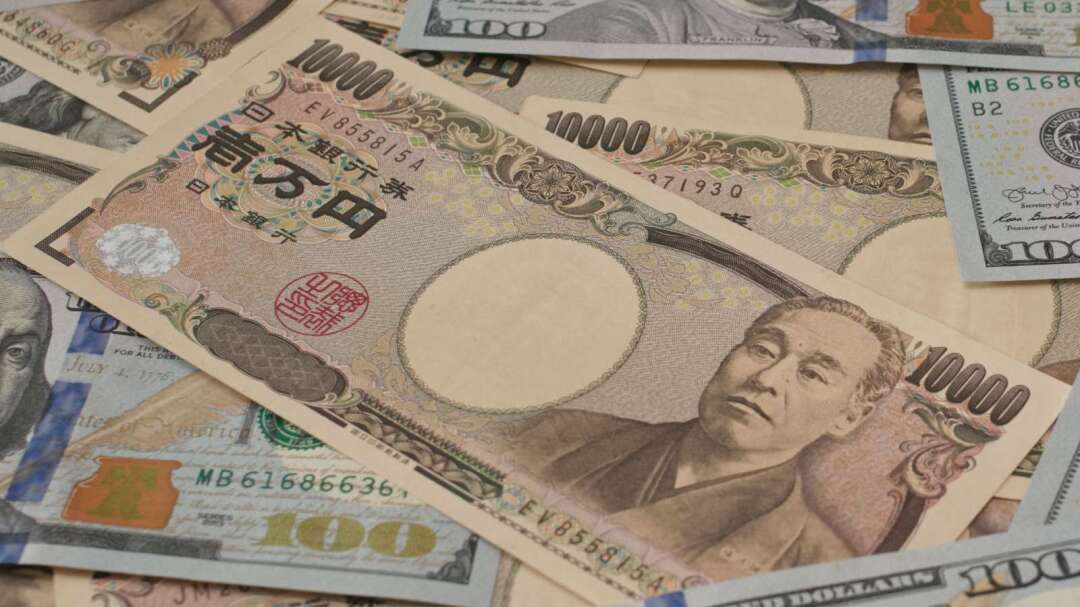
A long-time advocate for Japanese rate hikes, Bessent explicitly linked currency intervention with monetary policy. He highlighted the rare joint US-Japan intervention on Friday (July 31) to buy yen, calling it the first coordinated yen-purchase action since 1998 and the first such intervention since 2011. The move aims to prevent a broader Asian currency devaluation spiral and financial instability.
Bessent emphasized, 'Intervention sends a signal, but it is policy that truly changes market trends.' He revealed that the US participated via the New York Federal Reserve, selling euros to buy yen—a move symbolizing 'trust and cooperation between the US and Japan' and also intended to prevent a spike in Japanese government bond yields from destabilizing US long-term Treasury yields.
He also noted he will meet Governor Ueda at the G20 Finance Ministers and Central Bank Governors meeting at the end of August, warning that Japanese government bonds must not lose their role as a global interest rate benchmark. He stressed that both the US and Japan share the same view on the 'safety and soundness of Japanese debt.'
Analysts point out that the US intervention is not purely altruistic; there is concern that a reversal of yen carry trades and a sell-off in Japanese bonds could spill over into the US Treasury market. While the joint intervention has drawn a short-term red line on exchange rates, the interest rate differential remains unresolved. Whether the BOJ hikes rates in September will depend on Japan’s wage growth and core inflation data.
FACT BOX
- Source: PR Times
- Category: News