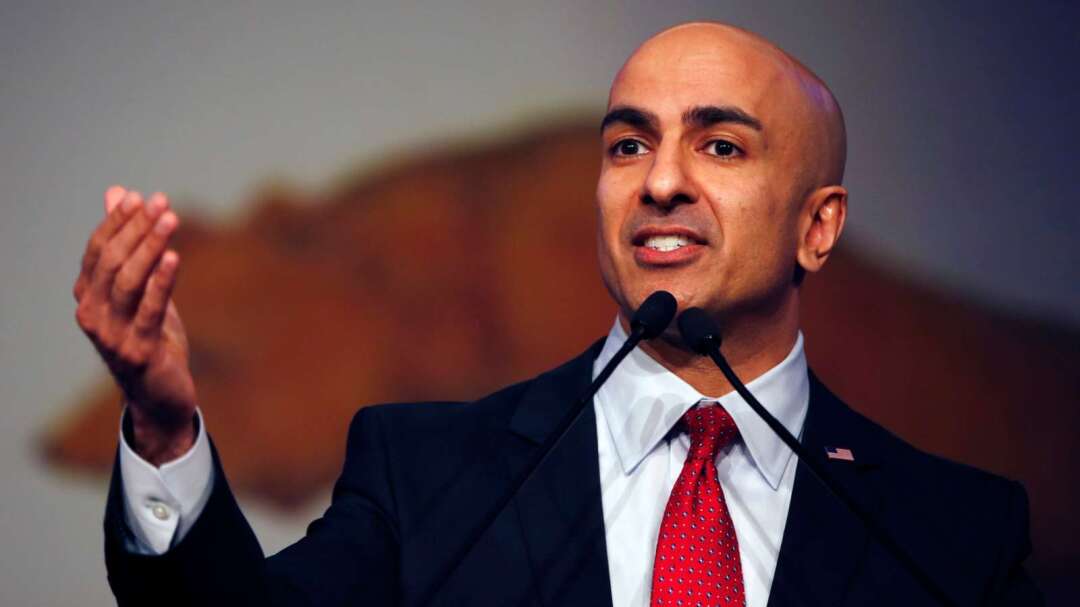
Minneapolis Federal Reserve President Neel Kashkari said Wednesday (5th) that the Federal Reserve (Fed) should start raising interest rates in small, gradual steps now to curb inflation, which remains above the 2% target, and prevent price pressures from becoming deeply entrenched in the economy—forcing the central bank to take more aggressive tightening measures later.
Speaking to CNBC, Kashkari noted that corporate profits remain strong, and both consumer spending and the labor market are holding up well. Under these conditions, he sees no evidence that current monetary policy is significantly restraining the economy, meaning the Fed still has room to raise rates further.
He emphasized that the Fed does not need to sharply increase interest rates but should instead gradually lift them as more economic data becomes available. Kashkari argued it would be wiser to begin acting now with smaller steps rather than waiting until inflation worsens and forces the Fed into drastic rate hikes.
Kashkari was one of three dissenting officials who voted in favor of a 25-basis-point rate hike at last week’s Federal Open Market Committee (FOMC) meeting. The other nine voting members supported holding rates steady, maintaining the federal funds rate target range at 3.5% to 3.75%. The Fed has kept rates unchanged this year, even as the labor market stabilizes and inflation remains notably above target, leading to growing divergence among policymakers on the appropriate course.
Although Middle East tensions eased temporarily and oil prices fell—leading to slightly improved inflation data in June—Kashkari expressed ongoing concerns about the outlook. He believes a series of supply-side shocks continue to pressure consumers, necessitating action from the Fed. However, he stopped short of committing to support a rate hike in September, stressing that data released before the September 15–16 meeting will be crucial to the decision.
In contrast, Philadelphia Fed President Anna Paulson, who also holds a vote on this year’s FOMC, believes current interest rates already impose a "modest restraint" on the economy and supports the Fed staying on hold. She said supporting a pause last week was "not a difficult choice for me."
Kashkari also advocates that the Fed continue clearly communicating its potential policy responses under different economic scenarios, helping markets and the public understand the central bank’s decision-making logic. His view contrasts with new Fed Chair Kevin Warsh’s recent move to reduce forward guidance. Kashkari maintains that clearly explaining the Fed’s "reaction function" still holds value, after which markets can independently assess the policy path.
Regarding whether Warsh had asked him to change his position, Kashkari said he felt no pressure. Warsh told him to vote as he believed was best for the economy. Market pricing currently slightly favors a rate hike in September, with a higher probability assigned to action in October.
FACT BOX
- Source: PR Times
- Category: News