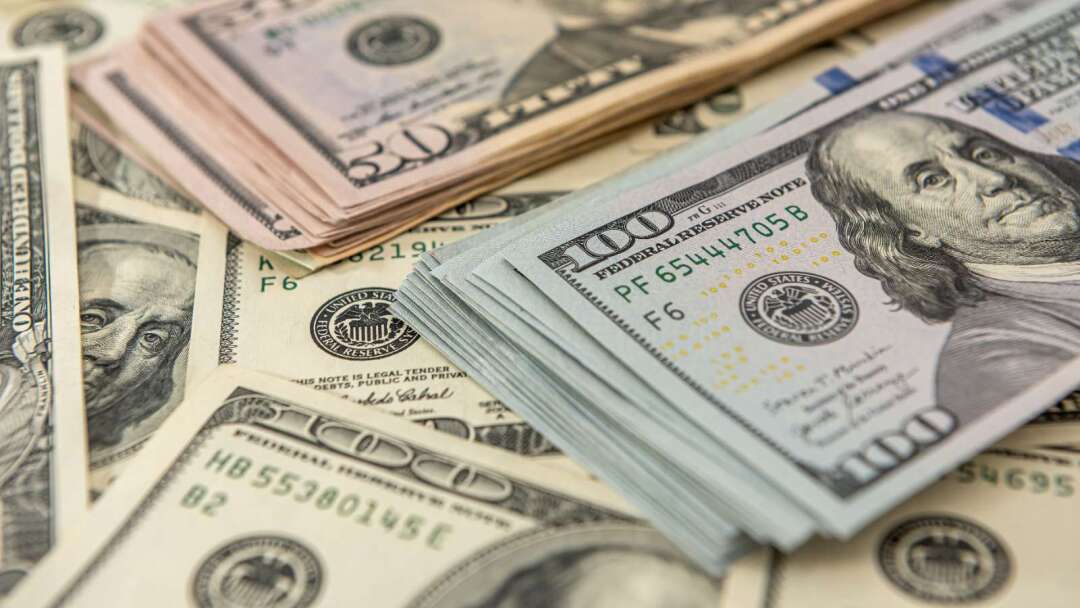
A single ruling by the U.S. Supreme Court has forced the U.S. government to refund hundreds of billions of dollars in tariffs to importers.
U.S. Customs officials stated in court filings submitted to the U.S. Court of International Trade that the government has refunded approximately $100 billion since the Supreme Court ruled earlier this year that the Trump administration lacked the authority to impose tariffs using emergency economic powers.
This refund amount represents about 60% of the total $165 billion collected since the implementation of the "reciprocal tariffs" in April.
The speed of the government’s refund process has surprised industry observers. Ted Murphy, a trade lawyer at Sidley Austin, said, "The government is actively pushing forward with refunds."
Walker Livingston, an analyst at consulting firm Capstone, also stated, "The speed at which the government is moving has personally surprised me."
On Tuesday (April 4), U.S. Customs reported in court documents that over $128 billion in refund claims have already been accepted, indicating that more refunds are imminent.
However, not all businesses are benefiting from the refunds.
U.S. Customs rules stipulate that only entities that directly filed import declarations with Customs are eligible to apply. This excludes numerous small businesses that did not directly import goods but effectively bore the tariff burden through higher procurement costs or itemized surcharges.
Some small businesses have said they have no idea how to apply for refunds or lack the capacity to complete the application process.
As a result, the majority of refunds are flowing to large corporations. Texas progressive Democratic Congressman Greg Casar criticized, "Trump is giving refunds to corporations, not ordinary workers. Every dollar of these refunds should be returned to American consumers."
Despite being forced to refund hundreds of billions of dollars, the Trump administration has not abandoned efforts to rebuild tariff barriers.
In July, the Office of the U.S. Trade Representative (USTR) announced new tariffs of 10% to 12.5% on dozens of countries and regions under Section 301 of the Trade Act of 1974, citing "forced labor" as the reason. This move aims to replace the expiring global import tariffs.
FACT BOX
- Source: PR Times
- Category: News
- Organizations: Sidley Austin / Capstone / Office of the U.S. Trade Representative