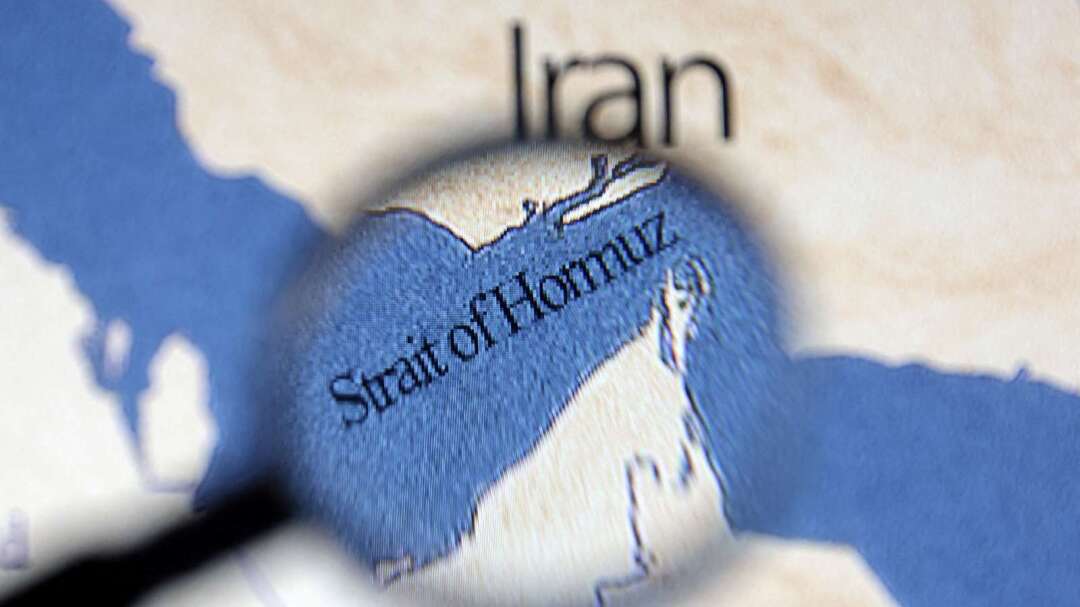
Iran announced on Wednesday (5th) that it has reached an agreement with Oman on proposed shipping routes in the Strait of Hormuz, potentially marking a significant step toward reopening this vital global energy transport waterway. However, Iranian state media subsequently tempered expectations, emphasizing that the agreement between Tehran and Muscat does not mean the strait will immediately resume navigation.
According to a message posted by Iran's Ministry of Foreign Affairs on Telegram, Foreign Ministry spokesperson Esmail Baghaei stated that the joint declaration between Iran and Oman is under review and has entered the final drafting stage. The negotiations have been "professional and steadily progressing forward," and the final agreement can be finalized as long as "a specific third party" does not intervene.
Iran and Oman have been continuously discussing management plans for the Strait of Hormuz in recent days. The waterway has become the focal point of the ongoing five-month conflict between the United States and Iran, through which vast quantities of crude oil and natural gas are exported. During the blockade, millions of barrels of crude oil supply were disrupted daily.
Baghaei did not mention whether the United States participated in the negotiations, only stating that the closure of the Strait of Hormuz was caused by attacks from the United States and Israel. Meanwhile, U.S. President Trump said late Tuesday in Los Angeles that an agreement regarding the Strait of Hormuz is imminent.
However, Iran's state television cited informed sources on Wednesday, noting that even if Iran and Oman finalize the agreement, the Strait of Hormuz may not immediately open. The actual resumption of navigation still depends on whether "U.S. behavior changes." This statement indicates a clear gap remains between the two sides regarding the agreement's effectiveness and subsequent conditions.
As signals increase that the Strait of Hormuz may reopen, international oil prices stabilized on Wednesday, with London Brent crude slightly declining to around $79 per barrel. If shipping resumes, millions of barrels of daily crude oil supply, previously disrupted by the conflict, could gradually return to the market.
Although the U.S. and Iran have currently paused hostilities, there remains no consensus on how to end the five-month war. Numerous disputes, including Iran's nuclear program, remain unresolved, and both sides have not agreed to commence formal negotiations. Therefore, whether the Iran-Oman shipping agreement can truly lead to the reopening of the Strait of Hormuz remains to be seen.
At the time of writing, October-delivery Brent crude futures fell 0.30% to $79.12 per barrel; September-delivery West Texas Intermediate (WTI) crude futures fell 0.69% to $75.25 per barrel.
FACT BOX
- Source: PR Times
- Category: News