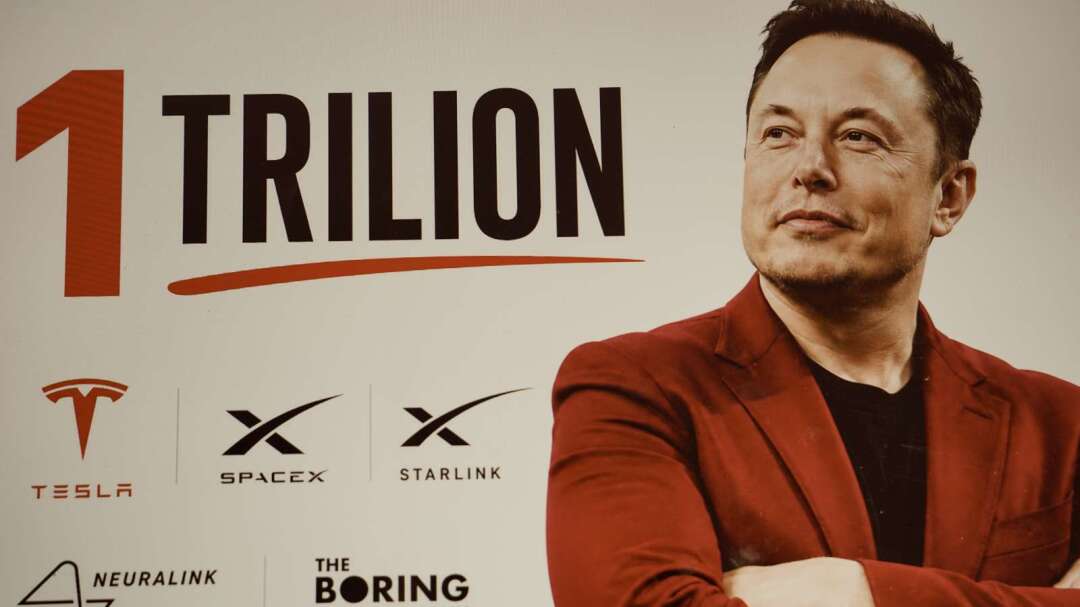
According to the Forbes billionaire ranking, on June 12, SpaceX listed on the Nasdaq under the ticker 'SPCX' with an initial price of $135. On its first trading day, the stock closed up 19.22% at $160.95, pushing its market capitalization beyond $2.1 trillion. On June 16, the stock hit an intraday high of $225.64, boosting Elon Musk's net worth to $1.33 trillion, making him the first human 'trillionaire'.
However, the good times didn't last long. The stock price of SpaceX plunged 37% in July, while Tesla dropped 26% due to disappointing Q2 earnings, dealing a double blow to Musk's holdings.
As of midnight Eastern Time last Saturday (August 1), Musk's net worth had fallen to approximately $690 billion, the lowest since December last year. In July alone, his wealth shrank by $363 billion (about NT$11.3 trillion), setting a record for the largest single-month wealth erosion.
Musk's wealth reduction exceeded the entire net worth of any individual billionaire ranked from second to tenth globally—more than double Jensen Huang's $174 billion. Even Larry Page, Google's co-founder ranked second, saw a modest increase of $1 billion to $292 billion, still leaving a nearly $400 billion gap with Musk.
The biggest winner in July was Jeff Bezos. Driven by a 14% rise in Amazon's stock price, his wealth increased by $29 billion to $278 billion, surpassing Google co-founder Sergey Brin (approximately $269 billion) to reclaim the third spot globally for the first time since March. Brin dropped to fourth.
Analysts pointed out that Musk's wealth is highly tied to the stock prices of SpaceX and Tesla. After its IPO, SpaceX's valuation surged into bubble territory, fueled by narratives around Starlink commercialization and Starship reusability. In July, profit-taking and delays in Starship test flights triggered a correction. Musk even joked on social media about being a 'front-end trillionaire'.
FACT BOX
- Source: PR Times
- Category: News
- Organizations: SpaceX / Google
- Products / services: SpaceX