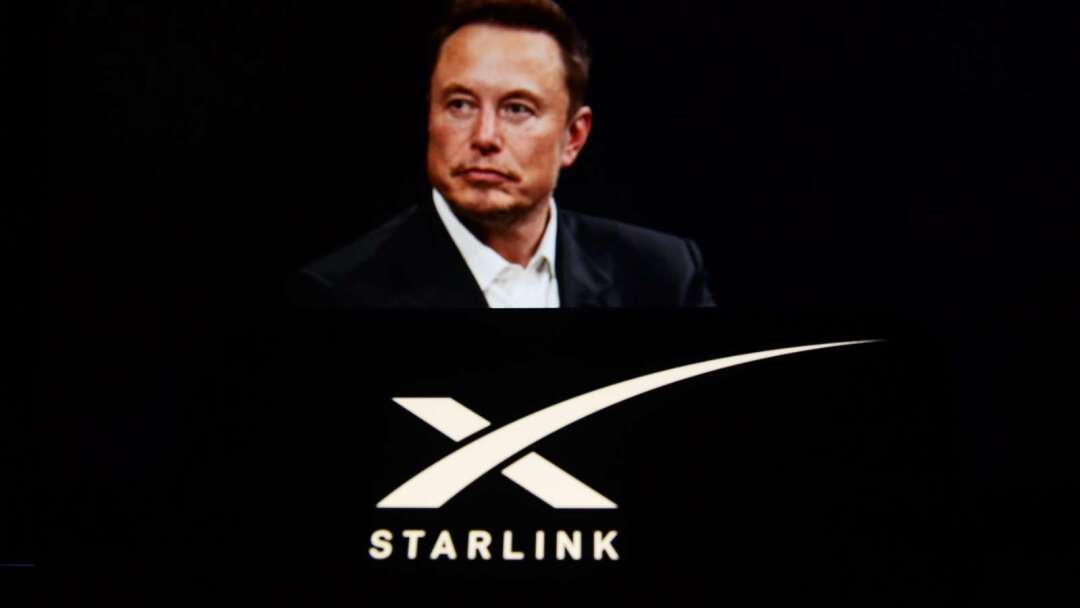
SpaceX's first earnings call after going public unexpectedly became a focal point for the AI chip market. CEO Elon Musk announced that the company will fully adopt NVIDIA (NVDA-US) chips for its future AI infrastructure. Following the announcement, NVIDIA's stock rose over 3% on Wednesday (6th), while AMD's shares plummeted over 7%.
During the call, Musk stated that after evaluation, SpaceX determined NVIDIA's Vera Rubin architecture to be the best AI computing platform currently available. As a result, the company's future AI systems will be 'entirely built on NVIDIA's platform,' and both companies will deepen their collaboration.
He revealed that SpaceX expects its AI computing capacity to surpass 2GW by the end of this year and expand to nearly 10GW by the end of 2027. The company also plans to begin deploying its Starmind satellite network starting next year, utilizing NVIDIA's Vera Rubin NVL72 rack systems in both ground-based and space-based data centers.
Musk pointed out that compared to terrestrial data centers, space-based facilities do not require large land areas and can leverage the space environment to reduce cooling demands, offering long-term development potential. However, he acknowledged significant technical challenges remain in launching large AI servers into orbit and successfully deploying and connecting them.
SpaceX also released its latest AI business performance. Benefiting from cloud service partnership deals and continued growth in Grok and X subscription services, the company's AI-related revenue reached $2.6 billion, surging 213% quarter-over-quarter and 247% year-over-year.
Additionally, SpaceX has signed multi-billion-dollar data center leasing agreements with Google and Anthropic. Going forward, it will provide AI computing capacity to support these companies in expanding their artificial intelligence services.
In contrast, despite delivering second-quarter results that exceeded market expectations, AMD failed to dispel market disappointment.
AMD reported Q2 revenue of $11.54 billion and adjusted EPS of $1.66, both surpassing estimates. Data center revenue climbed to a record high of $6.7 billion, accounting for 58% of total revenue, driven by strong shipments of EPYC processors and Instinct AI GPUs. Client and gaming segment revenue totaled $3.84 billion, up approximately 6% year-over-year.
Looking ahead, AMD forecasts Q3 revenue of around $13 billion (±$300 million), above the market expectation of $12.51 billion, implying about 41% year-over-year and 13% quarter-over-quarter growth.
CEO Lisa Su stated that business momentum continues to strengthen in the second half, with accelerating demand for EPYC and expanding deployments of Instinct. She added that the Helios platform will begin volume production, and AI is driving rapid increases in various computing demands.
She noted that AMD has recently secured several major AI infrastructure deals with clients including Anthropic, Meta, and Core Scientific, and has raised its 2030 CPU market size estimate to over $200 billion, targeting more than 50% market share. The company also projects server business revenue will grow over 70% next year.
Some Wall Street analysts believe that although AMD's outlook remains strong, the market had expected even faster growth in its AI chip business, so the guidance did not fully meet investor expectations for short-term explosive growth. Coupled with Musk's announcement that SpaceX will shift its AI infrastructure entirely to NVIDIA, market sentiment was further dampened, dragging down AMD's stock price significantly.
FACT BOX
- Source: PR Times
- Category: Partnership
- Organizations: NVIDIA / AMD / Google
- Products / services: Instinct AI GPU