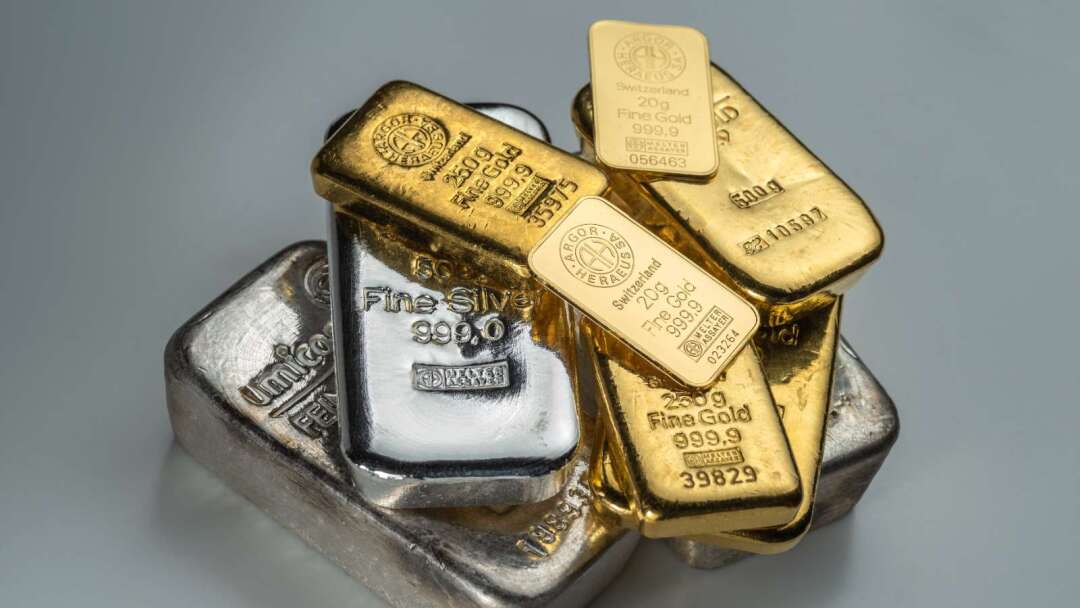
Gold prices continued their upward trajectory for the third consecutive trading day, buoyed by prospects of a temporary agreement to reopen the Strait of Hormuz, which alleviated market concerns over inflation and reduced expectations of Federal Reserve rate hikes.
On Wednesday (5th), gold surged more than 2% during Asian trading hours, briefly exceeding $4,160 per ounce. This follows a cumulative 0.8% gain over the first two trading days of the previous week. Silver prices also advanced, rising over 2% and momentarily breaching $61 per ounce.
Qatar announced it had drafted a proposal aimed at restoring maritime traffic through the strategic waterway. According to Axios, Washington, Tehran, and Oman are nearing an agreement, with the United States planning to officially announce the deal later that evening.
Meanwhile, sentiment in the Chinese market shifted positively, with gold ETFs recording 14 consecutive days of capital inflows, indicating that institutional investors in China are providing underlying support to gold prices.
Although geopolitical risk premiums have receded, robust U.S. economic data continues to exert downward pressure on gold prices. The U.S. July ISM Manufacturing PMI rose to 55.6, surpassing market expectations. Current market pricing reflects only one rate hike by year-end, down from the previously expected two.
However, Federal Reserve officials remain divided on the path forward. Philadelphia Fed President Anna Paulson maintained an open stance on policy direction, while Kansas City Fed President Jeff Schmid suggested that higher interest rates might be necessary to ensure price stability. Markets are now closely watching the upcoming ADP employment report and non-farm payrolls data, which will be crucial in determining the Fed’s approach at its September meeting.
FACT BOX
- Source: PR Times
- Category: News