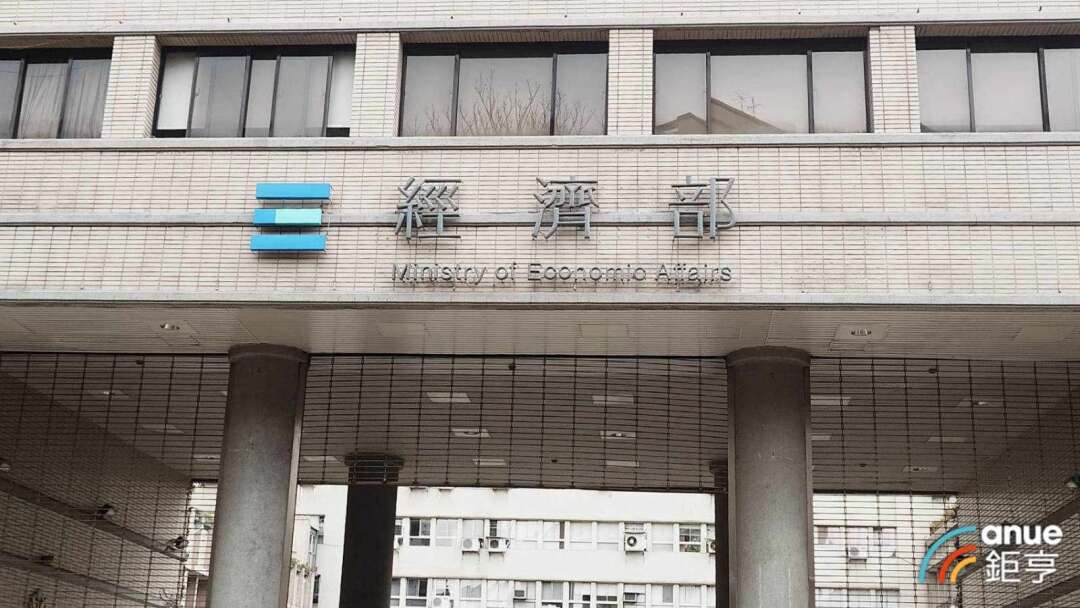
The United States is considering imposing a 15% tariff on polysilicon, raising concerns about potential impacts on the solar energy supply chain. On the 6th, Taiwan's Ministry of Economic Affairs' Industrial Development Bureau (IDB) issued a clarification on two key points. First, the proposed US measures primarily target solar-grade silicon wafers, cells, and modules—components in the solar power supply chain—and do not include semiconductor chips. The US has not yet officially released the specific tariff codes, so the final scope will depend on future official announcements.
According to currently available information, the US is reviewing measures focused on polysilicon and related solar supply chain products, including silicon wafers for solar applications, solar cells, and photovoltaic modules. These are distinct from semiconductor chips used in electronics.
The Ministry of Economic Affairs noted that while international solar trade dynamics and shifting tariff policies continue to evolve, the US has not formally announced detailed measures or applicable tariff codes. Therefore, the exact scope remains uncertain and will be confirmed through official US channels. The Taiwanese government will continue closely monitoring developments and tracking relevant legislative progress.
To reduce reliance on single markets, the government is actively assisting domestic solar companies with overseas expansion. Through initiatives led by the International Trade Administration under the Ministry of Economic Affairs, manufacturers are being supported in establishing distribution networks abroad, particularly targeting Japan and Southeast Asian markets. This strategy aims to diversify export destinations and mitigate trade risks.
Additionally, the IDB is proactively guiding industry transformation and upgrading by accelerating the development of niche, high-value-added products such as N-type high-efficiency solar cells and building-integrated photovoltaics (BIPV). These efforts aim to enhance product portfolios and technological capabilities, enabling flexible responses to changing global trade conditions and reinforcing Taiwan’s competitive edge in the international solar supply chain.
FACT BOX
- Source: PR Times
- Category: News