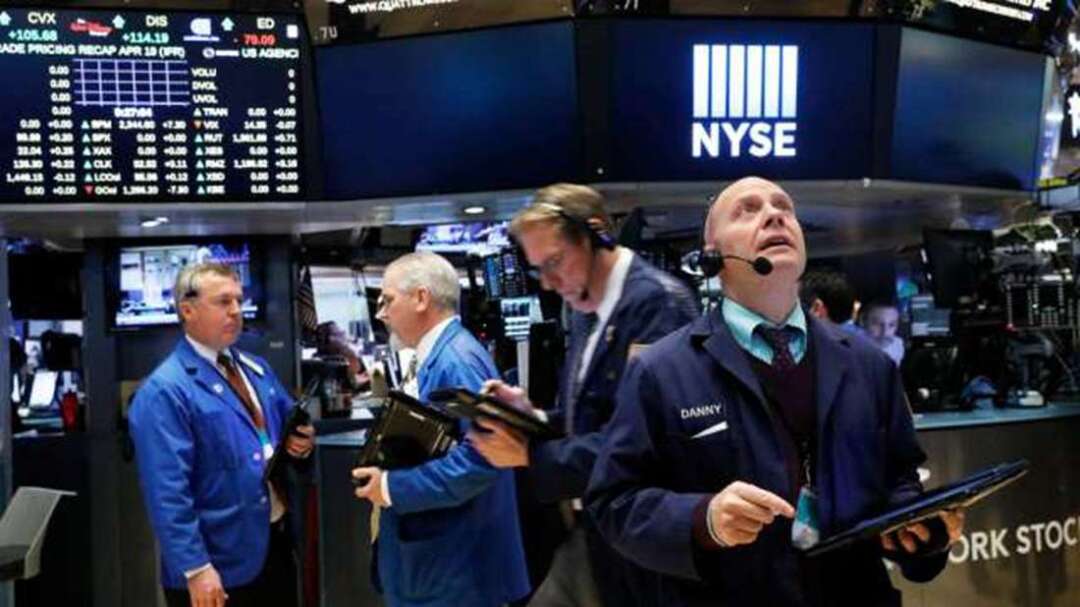
Recent research shows that the rise of retail trading is not only transforming financial markets but also strongly correlated with a collective sense of failure among young men.
The Institute for Family Studies (IFS) released a survey on Wednesday (the 5th) of 2,000 men, revealing that among respondents aged 18 to 29, as many as one in four reported trading stocks daily. Among this group of daily traders, a striking 64% admitted to frequently feeling like a 'loser.'
According to the study, the psychological response to daily stock trading closely resembles that of gambling addicts: among the 23% of young men who said they engage in daily sports or event betting, 66% expressed similar levels of anxiety. The research also found identical correlations between daily participation in fantasy sports (Daily Fantasy Sports, DFS), pornography consumption, and feelings of personal failure.
As Bloomberg reports, the struggles of young men have drawn heightened concern from scholars, commentators, and billionaires alike. Experts warn that men are increasingly falling behind in education and employment, risking their financial well-being through sports and event betting, and facing a severe mental health crisis.
Meanwhile, the line between gambling and investing has become increasingly blurred. Over the past 15 years, retail investors' stock trading volume has doubled, and day traders have pushed options trading to record highs. Today, trading platforms such as Robinhood Markets (HOOD-US) and Interactive Brokers Group (IBKR-US) are aggressively targeting Gen Z by offering event betting services alongside traditional stock trading.
Some studies suggest that young people's enthusiasm for high-risk financial behaviors stems from a desire to rapidly accumulate wealth in a world where home prices are soaring and traditional markers of financial success are out of reach. According to Northwestern Mutual’s research, as many as 80% of Gen Z investors have invested in—or considered investing in—stocks, options, cryptocurrencies, or prediction markets, primarily because they feel financially behind and view these high-risk investments as the best tool to achieve their financial goals.
IFS researchers speculate that frequent day trading, gambling, playing fantasy sports, and watching pornography serve as coping mechanisms for young men dealing with frustration, stress, and loneliness—but paradoxically, these behaviors end up intensifying those negative emotions. In contrast, young men who engage in these activities less than daily report feeling like failures at roughly half the rate.
Overall, 42% of all respondents agreed that the statement 'Overall, I tend to think of myself as a failure' either 'very much' or 'somewhat' applied to them. This sense of failure is particularly pronounced among men without college degrees and those who are unemployed or out of education and training (NEET).
Additionally, a quarter of respondents said they 'always' feel lonely, while 30% said they 'sometimes' do.
The study also found that despite holding extremely high expectations for the future, young men are disillusioned with the 'American Dream': 70% believe success depends more on connections than ability or effort. Yet, as many as 84% still say they have ambitious plans and aspirations for the future.
(This article is not available for republication by partners.)
FACT BOX
- Source: PR Times
- Category: Survey
- Organizations: Robinhood Markets / Interactive Brokers Group / Northwestern Mutual