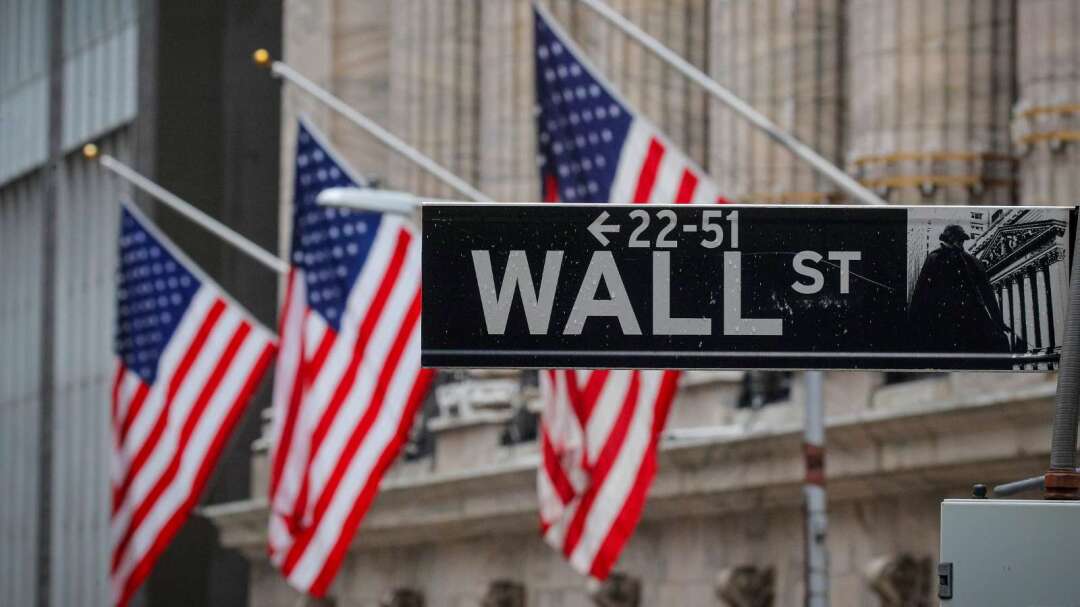
Wall Street investors' anxiety about missing the next wave of U.S. stock market gains is rapidly escalating, with funds pouring into call options betting on further increases in the S&P 500 index. On Tuesday, over 4 million S&P 500 call options were traded, setting a new historical record. In contrast, trading volume for put options—used to bet on declines—remained around average levels, indicating reduced hedging appetite and a clear rise in momentum-seeking behavior.
Jason Coogan, a trader at Simplex Trading working in the S&P 500 options pit at the Chicago Board Options Exchange (Cboe), said that over the two trading days leading up to Tuesday, the market was almost entirely a "one-way order flow," with most transactions focused on betting on further index gains.
This marks a sharp contrast to the past two months. Due to limited overall volatility in the S&P 500 and lower correlation among its components compared to the tech-heavy Nasdaq 100 index, traders had previously avoided taking large directional positions on the S&P 500. Now, with corporate earnings consistently exceeding expectations and the rally spreading beyond technology stocks, investors are aggressively chasing upside potential in the index.
UBS Forecasts S&P 500 to Reach 8,100 Points—Rally No Longer Driven by Tech Alone
Max Grinacoff, Head of Equity Derivatives Research at UBS Group (UBS), believes that despite recent gains in the S&P 500, option prices remain generally low because the upside potential from better-than-expected quarterly earnings has not yet been fully reflected in valuations.
Grinacoff noted that particularly the "Tech+" group’s potential earnings growth is still underpriced, as the market continues to digest a string of strong earnings reports. UBS remains fundamentally optimistic. He forecasts the S&P 500 will rise to 8,100 points by year-end, nearly 5% higher than Wednesday’s closing level.
The main rationale behind UBS’s bullish stance is that upward momentum is now spreading from large-cap tech stocks to other sectors of the economy. The S&P 500 hit its first all-time high since June on Tuesday, while the equal-weighted version of the index has already set new records 12 times during the same period, indicating that the rally is not being driven solely by a few AI-beneficiary stocks.
Growing optimism about a U.S.-Iran deal, combined with corporate profit growth reaching levels typically seen only after major economic recessions, and economic data showing record business activity, have further boosted bullish confidence. Grinacoff stated that it’s no longer just the "Tech+" group dominating; a rising tide is lifting all boats, with various stock categories—including tech—poised to benefit.
However, he believes that even if the S&P 500 continues to climb, implied volatility may remain elevated. When the index can rise 2% in a single day, the options market naturally demands a higher volatility premium.
FOMO Sweeps Options Market: $40 Million Bet Sees Rapid Appreciation
Whether demand for S&P 500 calls will persist long-term remains uncertain. As the index pulled back from its record high on Wednesday, investor enthusiasm for buying upside calls cooled slightly. However, the recent trading frenzy has significantly altered the skew between puts and calls.
Demand for call options betting on a 10% rise in the S&P 500 over the next month has risen to its highest level since March, relative to put options betting on a 10% decline over the same period. This indicates that investors are now more afraid of missing the next leg up than they are of a market pullback.
Scott Rubner, Head of Equity and Equity Derivatives Strategy at Citadel Securities, said that corporate earnings continue to vastly exceed already-high expectations, and the market is transitioning from a liquidity-driven environment back to one where earnings determine price movements.
UBS strategists previously recommended that investors sell downside hedges on the iShares Semiconductor ETF (SOXX-US) and use the collected premiums to buy six times as many S&P 500 upside calls. This trade appeared risky during the semiconductor stock downturn in late July to early August but now appears prescient.
Some traders are directly purchasing unhedged "naked calls." One notable transaction on Tuesday involved an investor buying 120,000 SPDR S&P 500 ETF Trust (SPY-US) call options expiring on August 14 with a strike price of $775, paying approximately $3.35 per contract—totaling around $40 million in premiums. By Wednesday noon, the price of these calls had risen to about $5.27, increasing the position’s value to approximately $63 million.
Tanvir Sandhu, Global Head of Derivatives Strategy at Bloomberg Intelligence, said the options market is pricing in FOMO sentiment. Investors are clearly more concerned about missing the next rally than protecting against a market drop. Strong demand for upside calls keeps implied volatility high during equity rallies.
FACT BOX
- Source: PR Times
- Category: News
- Organizations: Simplex Trading
- Products / services: SPDR S&P 500 ETF (SPY)