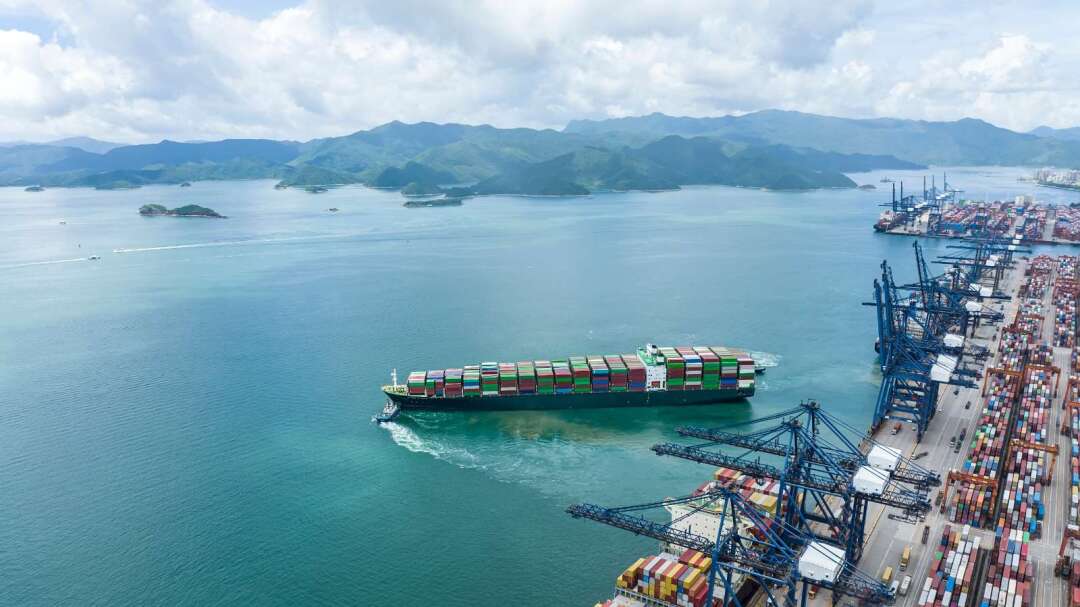
Despite a slowdown in July, China's exports and imports continued to show robust growth, primarily benefiting from a global super investment cycle in artificial intelligence (AI) that offset the impact of extreme weather on trade. Data released by China's General Administration of Customs on July 7 (Friday) showed that exports in July grew 23.9% in dollar terms, exceeding the median estimate of 23% by economists but lower than the 27% growth in the previous month. Imports grew 27.5%, with a trade surplus of $112.5 billion. The surge in overseas shipments of AI-related electronic products and other cutting-edge products, such as electric vehicles, has mitigated a deeper economic slowdown this year. However, the trade boom has also exacerbated long-standing economic imbalances—domestic demand remains weak, which underscores the need for China's officials to strengthen support for domestic consumers. China's growing dominance in the global value chain has also intensified its tensions with Western countries, particularly in the electric vehicle manufacturing sector and the recent data center hardware sector. China's General Administration of Customs said that China has a complete industrial system, a super-large market, strong innovation capabilities, and a good business environment, providing an open and cooperative platform for innovation and development for various foreign trade operators. The General Administration of Customs stated that in the first seven months, private enterprises have maintained their position as the main force in foreign trade, with foreign-invested enterprises leading the growth in imports and exports, and state-owned enterprises also growing in imports and exports, presenting a situation of parallel and coordinated development. In the first seven months of this year, China's imports and exports by water, air, road, and rail increased by 6.9%, 34.6%, 40.7%, and 17.2%, respectively. As China's international transportation corridor system continues to improve, cross-border cargo transportation becomes more convenient and efficient, and foreign trade enterprises have more diverse and flexible choices.
FACT BOX
- Source: PR Times
- Category: News