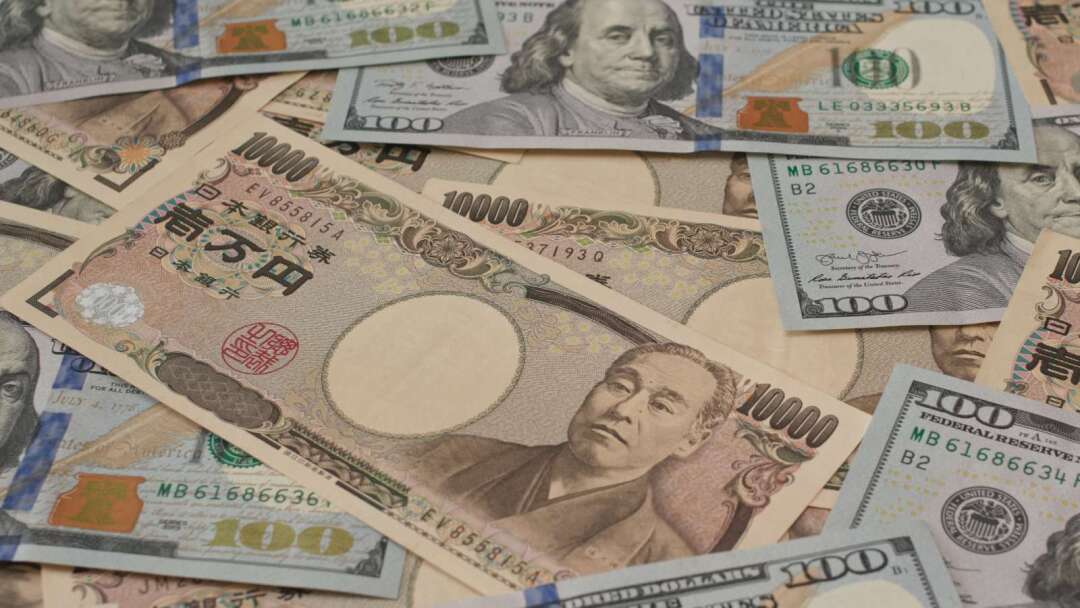
On July 7, the Japanese Ministry of Finance disclosed details of its currency interventions in Q2 2024. The ministry conducted yen-buying interventions on April 30 (6.28 trillion yen), May 4 (0.78 trillion yen), and May 6 (4.68 trillion yen), totaling 11.74 trillion yen (approximately $78.5 billion). This marks the highest single-quarter intervention amount in Japan's history. Prior to the interventions, the yen had fallen below 160 yen per dollar, but it recovered to around 155 yen after the interventions. Combined with the joint intervention with Washington on July 31, the market estimates that Japan has exhausted its intervention quota under IMF rules for the 2026 fiscal year. Theoretically, this means Japan may not be able to conduct unilateral interventions until early 2027. For yen short-sellers, the exhaustion of the intervention quota is a clear green light, eliminating the need to guard against potential 8 trillion yen-level interventions. However, some investors question the effectiveness of the 'rule-based intervention framework' established during the Trump era. If the yen falls below 165 yen, Washington may either allow Tokyo to make an exception or respond with verbal warnings and cooperation in the U.S. Treasury market. In the short term, forex market volatility is expected to decrease, but the 'no intervention commitment' until 2027 could also serve as a catalyst for new short-selling.
FACT BOX
- Source: PR Times
- Category: News