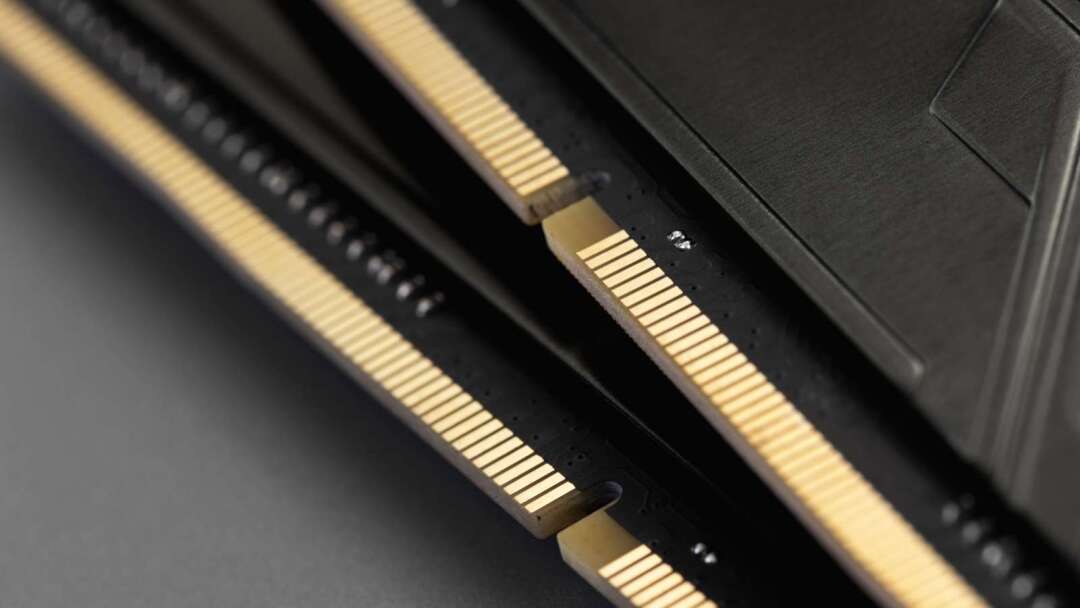
As AI capital expenditure skyrockets, global DRAM and HBM production capacity is being pre-booked far in advance. Multiple media outlets, citing supply chain sources, report that Samsung, SK Hynix, and Micron have completed negotiations for their full 2027 production capacity allocation, with DRAM and HBM production lines effectively 'sold out.' Most customers ultimately received only 60–70% of their initial requests, and none of the three companies have plans for new production lines. NAND, meanwhile, still offers buyers limited negotiation space due to a larger number of suppliers, but overall supply remains tight.
Summer is typically the peak season for procuring components for the coming year, yet this year has seen an unprecedented 'zero-capacity-for-the-entire-year' scenario, highlighting the astonishing speed at which AI servers, GPU clusters, and edge-side agents are consuming memory.
SK Group Chairman Choi Tae-won recently stated that AI semiconductor demand in 2027 will grow 60–100% compared to this year, while overall memory demand will rise by 50–60%, calling it 'the most severe shortage and supply-demand imbalance in history.'
Senior industry insiders judge that supply gaps are already visible in 2026 and will expand into structural fractures next year.
Premium-price material grabbing has already begun. Some AI startups are 'begging on their knees' for final batches, willing to pay above-contract prices for priority shipments—but wafer-level physical limits are capping the supply curve.
At the same time, the cost transmission chain is becoming clear: memory price increases → device price hikes → smartphone price rises. Microsoft raised the price of its Xbox Series X/S by up to $150 this week, Nintendo plans to raise the U.S. price of the Switch 2 starting in September, and with Apple’s iPhone 18 Pro launch just weeks away, a starting price of $1,399 has almost become market consensus. DRAM supply shortages could even delay initial现货 availability.
As the old rule of 'hardware aging = price drops' is overturned by the memory supercycle, consumer electronics are collectively entering a new pricing era of 'the more you sell, the more expensive it gets'—and 2027 will be the peak of this pressure.
FACT BOX
- Source: PR Times
- Category: News
- Products / services: DRAM / HBM