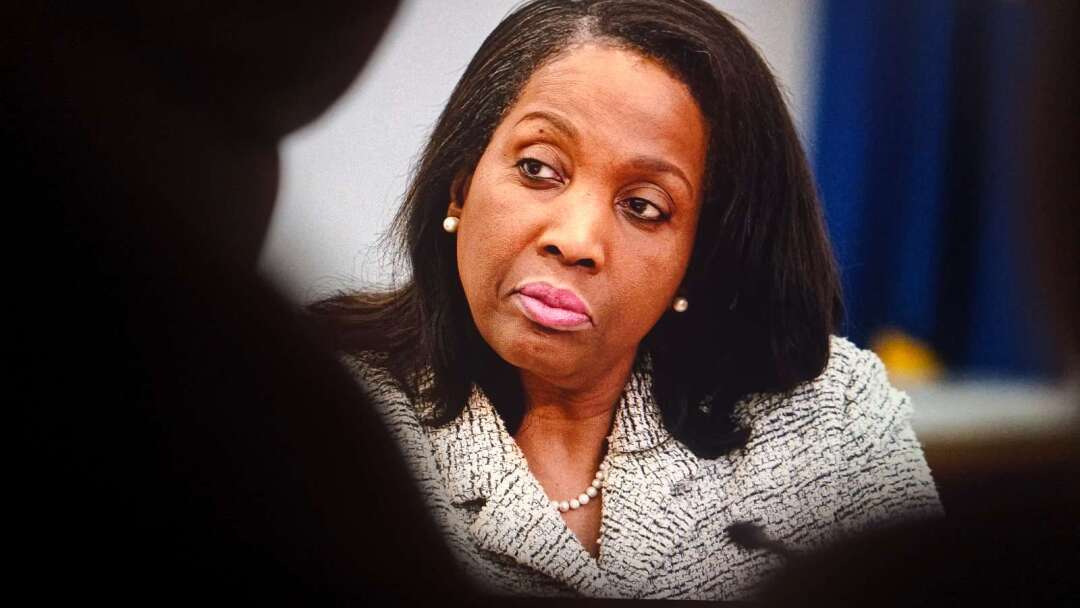
The Trump administration announced this week that it is once again "considering" the removal of Federal Reserve (Fed) Governor Lisa Cook, citing a dispute over mortgage disclosures and demanding an explanation from her, signaling a renewed escalation in tensions between the White House and the US central bank.
On Wednesday, White House Deputy Chief of Staff Dan Scavino sent a letter to Cook, alleging "there is sufficient reason to believe you made false statements in one or more mortgage applications," and demanding she provide "an explanation and supporting evidence" within three weeks. The White House stated this action is being taken under the legal framework established following a June ruling by the US Supreme Court.
The controversy originally stems from allegations raised last year when Trump first attempted to remove Cook, concerning potential false statements in her mortgage disclosures. Cook denied all allegations and filed a lawsuit challenging the removal decision.
During litigation, a federal court issued a temporary injunction halting Trump's removal effort. In June, the Supreme Court upheld that injunction by a 5-to-4 vote. However, Chief Justice John Roberts noted that the ruling does not prevent the president from attempting removal again if new evidence is presented, provided proper due process is followed.
Scavino stated in the letter that this move is "in accordance with the Supreme Court's opinion" and requested Cook respond to the allegations.
Cook's attorney, Abbe Lowell, responded that the allegations are "as baseless as they were a year ago" and criticized Trump for attempting to interfere with the Fed's independence. He emphasized, "Regardless of what action Trump takes next, there is no legitimate basis to remove Governor Cook under both the facts and Supreme Court precedent," and affirmed they will mount another legal challenge to defend her position and the integrity of the Federal Reserve system.
The Federal Reserve declined to comment on the White House's letter.
Cook was appointed by former President Biden. Trump's initial attempt to remove her coincided with his ongoing pressure on the Fed to lower interest rates, highlighting the tension between monetary policy and political maneuvering.
The mortgage dispute was initially raised by Bill Pulte, Director of the Federal Housing Finance Agency (FHFA). Pulte has been described as a "political attack dog" for Trump and has recently leveled similar mortgage-related allegations against other political figures, including New York Attorney General Letitia James.
This incident has once again placed Fed appointments at the center of political attention. Market observers warn that if the White House continues pushing forward with removal proceedings, it could further fuel concerns about the Fed's policy independence and lead financial markets to reassess the uncertainty surrounding interest rate policy.
While the White House has not yet explicitly confirmed whether it will formally initiate a second removal process, its demand for Cook to respond within three weeks suggests that the political and legal battle will continue to intensify.
Overall, this event goes beyond the fate of a single board member, reflecting the long-standing tension between the US executive branch and the central bank over monetary policy and institutional independence. The outcome will significantly impact market confidence in the stability of US financial governance.
FACT BOX
- Source: PR Times
- Category: 人事