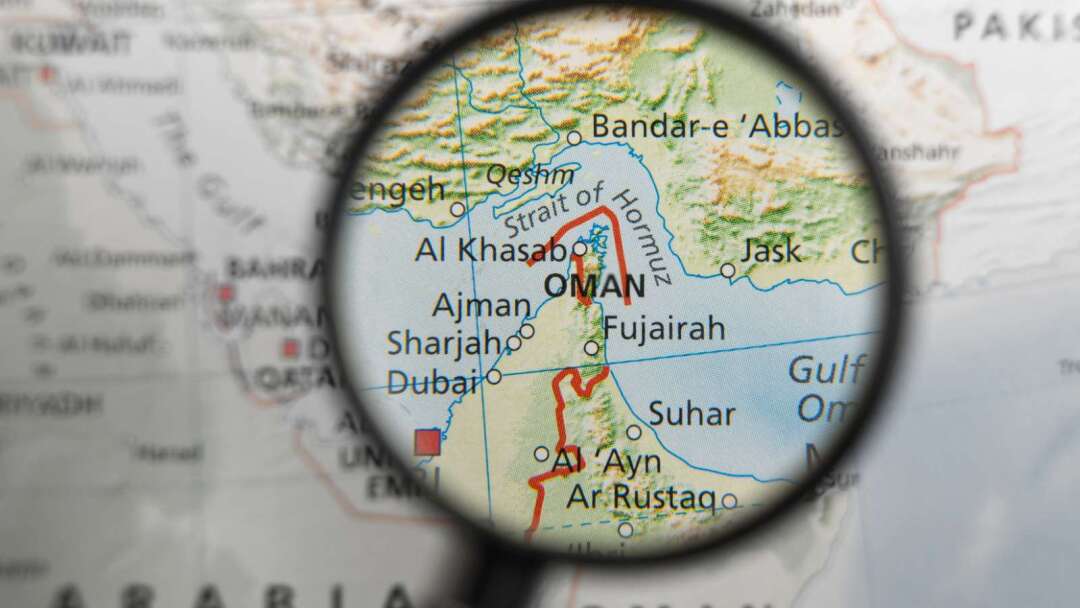
As tensions in the Strait of Hormuz remain deadlocked, US Treasury Secretary Scott Bessent's assertion that the waterway has become 'irrelevant' has sparked debate among the international community and market analysts. Bessent stated that due to fundamental changes in energy infrastructure, this long-considered lifeline of global energy will lose its strategic importance within the next two years.
Analysts Question Whether the US Is 'Letting Go'
Over the weekend, Bessent said that as increasing volumes of oil and gas shift from tanker shipments to underground pipelines, the Strait of Hormuz will become 'irrelevant' within a few years—eventually turning into 'just another stretch of ordinary water.'
Market analysts reacted with immediate skepticism. Some experts argue the statement gives the impression that Washington is attempting to 'let go' of the current impasse, suggesting the US may strategically reduce its long-term commitment to regional security.
While Bessent is optimistic that 50% to 70% of energy flows will shift to pipelines within the next two years, realists point out that such a transition cannot happen overnight. The Strait of Hormuz remains critically important today. Despite shipping volumes shrinking to one-tenth of pre-conflict levels, weekly blockades continue to cost global markets over 100 million barrels of oil.
A Shift in the Balance of Power
Geopolitically, Bessent’s argument reflects a long-term strategic plan by the US and its allies: to devalue Iran’s most prized 'chokepoint' through infrastructure development. If this prediction comes true, Iran will lose its primary means of exerting pressure on the global economy, marking a significant shift in regional power dynamics.
Actions by Saudi Aramco partially confirm this trend. CEO Amin Nasser stated the company has begun effectively utilizing the 'East-West pipeline' to bypass the strait and transport crude oil to the Red Sea.
Meanwhile, Iran itself is exploring alternative routes to circumvent blockades, including the use of Pakistan’s Gwadar and Karachi ports—indicating that all parties are preparing for a 'post-strait era.'
Market Response
With shipping through the Strait of Hormuz reduced to one-tenth of pre-conflict levels, markets are under immense supply pressure. Brent crude rose 1% to $84.38 per barrel, while US crude gained 0.7% to $78.75. Saudi Aramco noted that the strait’s blockade has caused the world to lose over 100 million barrels of oil weekly, with cumulative losses reaching 2.6 billion barrels. Even if the strait reopened immediately, it would take approximately 18 months to replenish depleted inventories.
Stock market reactions were mixed. Asian equities performed strongly, following Wall Street’s Friday gains, but European index futures declined due to rising oil prices. US Wall Street futures, after hitting record highs, also pulled back slightly.
With Yemen’s Houthi militants resuming attacks in the Red Sea, shipping operators are uneasy about the situation at the Bab el-Mandeb Strait. Commercial operators remain cautious, stating that diplomatic assurances alone are insufficient to restore market confidence without concrete security guarantees and rules—such as Iran committing not to attack commercial vessels.
FACT BOX
- Source: PR Times
- Category: News