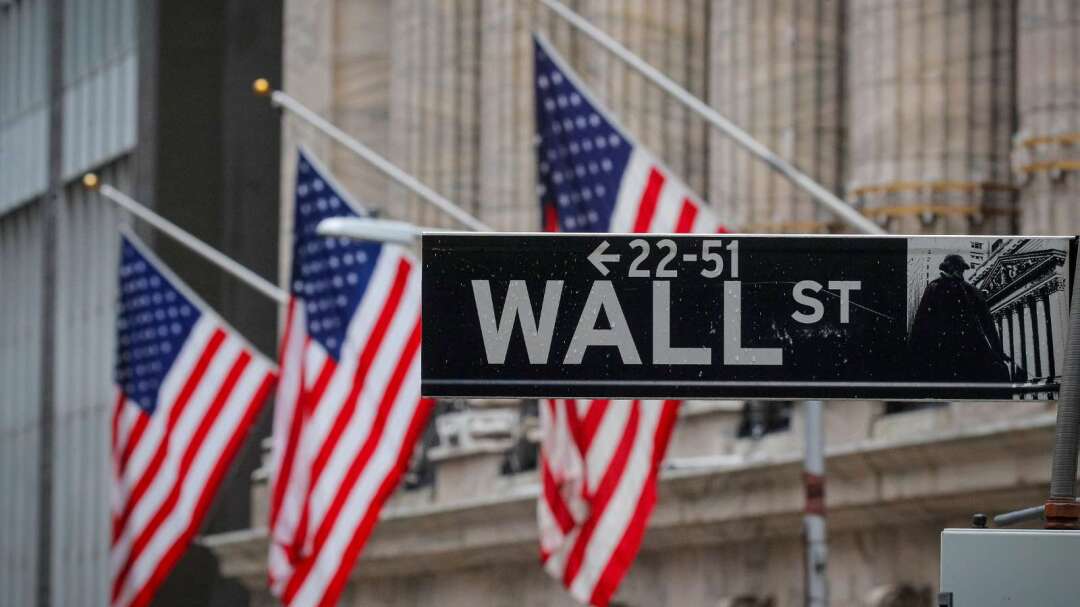
US stocks have recently surged to new highs, with investor sentiment driven by FOMO (fear of missing out) rapidly intensifying. Multiple indicators from the options market are now signaling the most optimistic conditions seen in years.
Easing Middle East tensions, falling oil prices, and solid corporate earnings have collectively supported the rally in US equities. However, certain options metrics suggest that the momentum of chasing gains has itself become an independent driver of this market move.
Mark Hackett, Chief Market Strategist at Nationwide, stated that while multiple factors underlie the market's rise, FOMO is indeed one of them. Core arguments previously used to justify short positions have now collapsed. Whether through direct shorting or reducing exposure relative to the broader market, many investors now face the risk of falling behind—a cost that could be difficult to bear.
The S&P 500 index surged 5.8% over four trading sessions through August 4. Prior to this, the index had traded within a narrow 5.7% range over approximately three months, well below the rolling three-month average volatility of 12.5% since 2006. Given that AI-related stocks faced heavy selling pressure at the end of July, this sharp rebound appears even more aggressive.
Bullish momentum builds as call option demand spikes
For years, investors who bought during market pullbacks have been rewarded. Now, the habit of 'buying the dip' is reemerging, and multiple indicators measuring investor appetite for rising markets are heating up.
According to Reuters' analysis of Trade Alert data, the one-month average daily volume ratio of S&P 500 call options to put options has risen to 0.9, marking one of the most bullish levels in at least four years.
Analysis from Susquehanna Financial Group shows that the S&P 500's short-term call skew—a measure of how much premium investors are willing to pay to bet on a sharp near-term rally—reached a two-year high last week. This reflects a significantly higher willingness among investors to buy upside exposure compared to hedging against market declines.
Market breadth also shows signs of overheating. Adam Turnquist, Chief Technical Strategist at LPL Financial, noted that the 'Percent Bullish Index,' which tracks the proportion of S&P 500 components exhibiting bullish technical patterns, has surpassed 70%, entering overbought territory.
Steve Sosnick, Chief Strategist at Interactive Brokers, said FOMO has never truly disappeared—it was just not the market's focal point. Some institutional investors are less concerned about a market downturn and more worried about missing out on gains and lagging in performance. Thus, buying into rallies has become more like 'insurance' against being left behind.
Stocks rise, volatility rises too—overheating signals hide reversal risks
An unusual phenomenon is that volatility indicators, which typically decline during stock rallies, have recently risen alongside prices on certain trading days. On August 4, for example, the S&P 500 surged nearly 2% in a single day, while the CBOE Volatility Index (VIX) rose by nearly 1 point.
Garrett DeSimone, Head of Quantitative Research at OptionMetrics, explained that when demand for call options is extremely strong, the VIX can rise even as stock prices climb. Analysts believe this suggests some investors, previously underexposed, are now rushing to catch up on missed gains via options rather than positioning systematically for future upside.
Christopher Jacobson, Strategist at Susquehanna, noted that the simultaneous rise in volatility and call skew indicates that investors are generally underweight in equities and face performance lag risks during market rallies, forcing them to aggressively buy call options.
However, some investors view these indicators as contrarian signals, arguing that when FOMO intensifies rapidly, caution should increase. DeSimone warned that investors might mistakenly believe negative factors have been fully priced in due to the strong rebound, but part of this rally's strength could stem from technical factors within the options market itself.
While FOMO is creating signs of froth, the bullish case remains supported by strong economic fundamentals and robust AI investment demand. Anthony Saglimbene, Chief Market Strategist at Ameriprise, stated that while leverage risks and how much further stocks can rise by year-end remain debated, the underlying foundation of the US market remains on solid ground.
FACT BOX
- Source: PR Times
- Category: News
- Organizations: Nationwide / Susquehanna Financial Group / LPL Financial