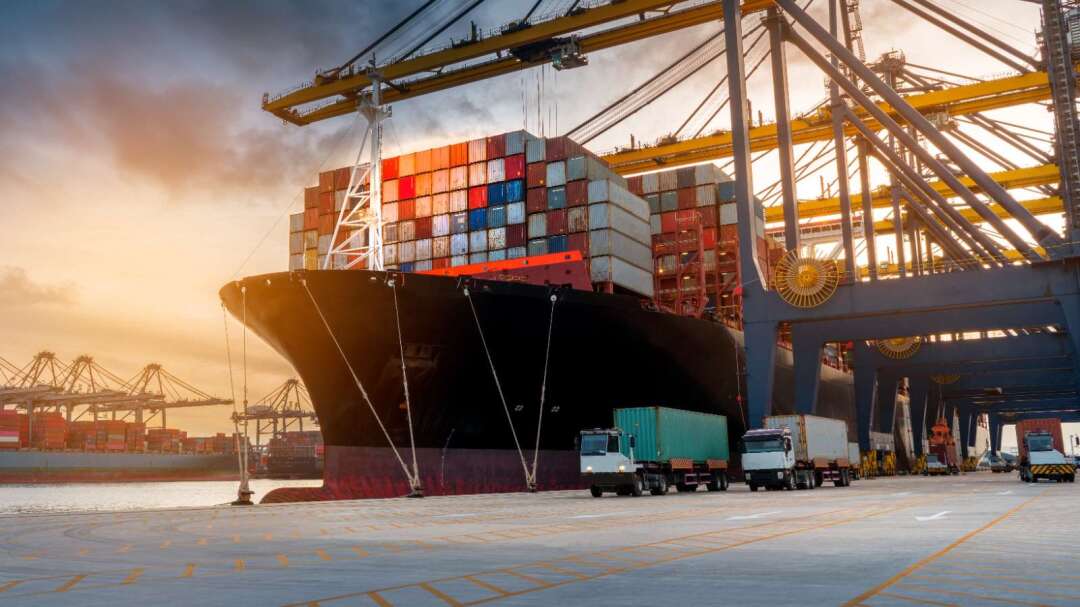
According to the latest data from supply chain technology provider Descartes Systems Group, U.S. container imports in July 2026 surged to the fourth-highest level in history. Analysts note that this growth is not due to a healthy recovery in end-consumer demand, but rather a result of importers adopting a 'front-loading' strategy to avoid impending tariff changes and geopolitical risks.
The data shows that U.S. ports handled 2.5 million twenty-foot equivalent units (TEUs) in July, down 4.3% from the near-record levels of 2025, yet still significantly above pre-pandemic levels.
This surge was fueled by the expiration of the 'Section 122' tariff at the end of July, replaced by new tariffs of up to 12.5% on 60 countries. Despite ongoing trade tensions, imports from China rose to 873,000 TEUs in July, the highest in a year.
Retail giants Walmart (WMT-US), Amazon (AMZN-US), and Home Depot (HD-US)—accounting for about half of U.S. container imports—moved their traditional fall-winter shipping peak forward to save millions in potential tariffs. However, the rush to clear customs before the deadline caused spot freight rates to spike due to intense competition for cargo space.
The influx of goods severely tested U.S. port infrastructure. Ports in Los Angeles, Long Beach, and Savannah faced operational friction, including cargo backlogs due to truck chassis shortages and warehouse vacancy rates near zero.
Additionally, strong U.S. market demand caused empty containers to accumulate excessively in North America, triggering container shortages at Asian export hubs. This equipment imbalance affected emerging markets, such as Kenya in East Africa, where import costs rose as capacity shifted to trans-Pacific routes. Freight rates from China to East Africa are estimated to have surged by 25%.
Analysts warn that the current import peak is 'unsustainable,' reflecting systemic uncertainty rather than economic strength. A sharp trade contraction is expected in the fourth quarter after the tariff deadline passes. The shipping industry must prepare for a 'pendulum effect,' where freight volumes could plummet, forcing carriers to cancel voyages to support collapsing freight rates.
FACT BOX
- Source: PR Times
- Category: Survey
- Organizations: Descartes Systems Group / Walmart / Amazon