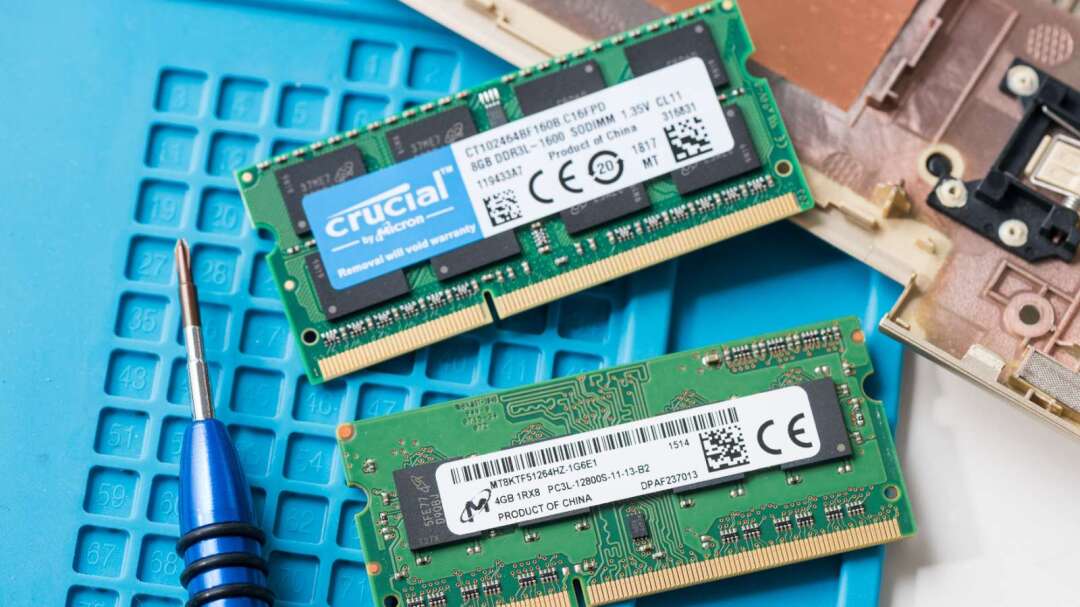
Driven by surging demand from AI servers, DRAM and NAND flash memory prices have skyrocketed over the past year. The memory market, dominated by Samsung, SK Hynix, and Micron, has faced severe supply shortages. However, the latest quarterly reports from the two major Korean manufacturers revealed that price hikes fell short of expectations, prompting market concerns that this super-cycle may be approaching its profit peak.
Data shows that SK Hynix’s DRAM average selling price (ASP) rose approximately 30% last quarter, while NAND prices climbed 50%. Samsung saw DRAM prices increase over 40% and NAND by 60%. While these figures are impressive in absolute terms, both companies missed Wall Street forecasts.
Goldman Sachs had initially estimated a 39% price increase for SK Hynix’s DRAM but has now revised its forecast down to 19%. Morningstar also noted that Samsung’s DRAM price growth fell below its 48% estimate, calling the results “disappointing.”
These weak signals have triggered investor alarm. Memory is a classic cyclical industry: new fabs take years to build and ramp up, so prices surge during demand spikes. But once supply catches up or cloud capital expenditures slow, price declines can sharply compress profits. With the market convinced that the profit cycle is nearing its peak, Samsung, SK Hynix, and Micron continue to trade at single-digit P/E ratios.
More critically, a gap has emerged between contract and spot prices. High Bandwidth Memory (HBM) and enterprise SSDs are largely sold through long-term agreements (LTAs), locking in prices for some capacity in advance. This dilutes the blended ASP growth, meaning that even as quarterly revenues hit record highs, they often fall short of the most optimistic forecasts—leading to predictable downward stock reactions.
The ripple effect is now heading toward Micron. Analysts predict that when Micron reports its next earnings next month, its DRAM pricing may also fall below consensus. In the short term, slowing price gains this quarter appear inevitable. In the long term, if supply catches up by 2027 and AI capital spending growth slows at the margin, the AI-driven memory boom could shift from a flattening slope to outright profit downgrades.
What investors should bet on is not just continued price hikes, but which companies can withstand the downturn through strong LTA moats and robust free cash flow returns to shareholders.
FACT BOX
- Source: PR Times
- Category: News
- Products / services: DRAM / HBM