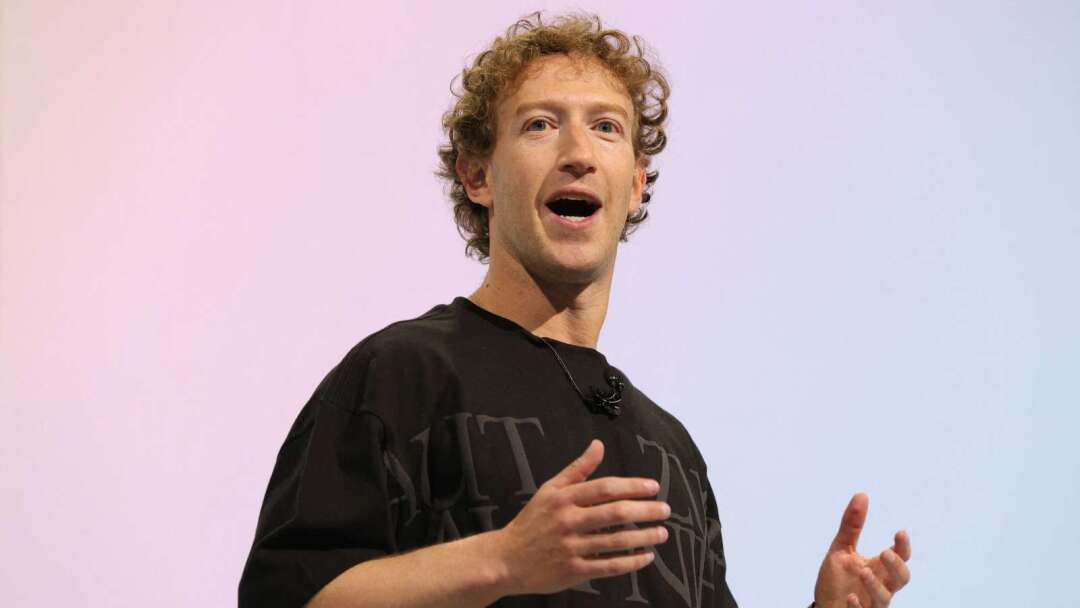
Meta (META-US), the parent company of Facebook, will once again appear in federal court as a defendant this week. On Monday (the 12th), a lawsuit jointly filed by California, Colorado, Kentucky, and New Jersey will begin jury selection at a federal court in Oakland, California. Prosecutors are demanding up to $1.4 trillion in damages, alleging that Meta's social media platforms employ addictive design features that harm minors.
This amount nearly equals Meta's current total market capitalization, setting a new record for the highest damages ever sought in a consumer protection case globally.
According to the complaint filed by the four states, the core allegations focus on two main areas. First, Meta knowingly designed its Facebook and Instagram algorithms to cause psychological harm to minors but has long concealed these internal research findings from the public and regulators.
Internal documents obtained by prosecutors show that as early as 2021, Meta's own research confirmed that Instagram worsens body image issues and depression in about one-third of teenage girls. Features such as infinite scrolling, autoplay, and like notifications are psychologically engineered to be addictive, significantly increasing teens' screen time. Yet, the company has consistently claimed externally that its platforms are safe and beneficial for youth, constituting clear misleading statements.
Second, Meta failed to implement effective age verification mechanisms. Despite knowing that millions of children under 13 use its platforms, it did not obtain parental consent as required by the Children's Online Privacy Protection Act (COPPA), illegally collecting minors' personal data and engaging in unfair business practices.
The staggering $1.4 trillion damages figure is a theoretical maximum calculated under state consumer protection laws, which allow fines per violation. Depending on the state, penalties range from $2,000 to $20,000 per violation. Multiplied by millions of young users and thousands of days of alleged violations, the total quickly escalates to $1.4 trillion.
Meta CEO Mark Zuckerberg has been named by prosecutors as a key witness to be called. Six months ago, Zuckerberg testified in another youth-related case in a Los Angeles court, and he is now being summoned again.
In filings with the federal district court, Meta argues that the damages claimed by the states are unsupported by evidence, calling the proposed penalty “unprecedented in the history of consumer protection enforcement.” A Meta spokesperson stated, “The plaintiffs’ absurd calculation lacks any factual or legal basis. Meta will continue to defend itself against these claims.”
Notably, Meta has already faced two prior convictions, resulting in nearly $1 billion in total damages. Just last Thursday, a district court in Santa Fe, New Mexico, ruled that Meta must pay an additional $567 million in fines and modify its platform features for teen users in the state to address the dangers posed to children.
Previously, the court had ordered Meta to pay $375 million in civil penalties, bringing the total to over $900 million. This marks the largest child safety-related judgment ever issued against Meta.
Meta’s business model relies on monetizing user data through advertising and using addictive algorithms to extend user engagement. This model is now facing global challenges.
In 2023, Meta settled a UK user data class-action lawsuit for $725 million. In 2025, it settled a derivative lawsuit in Delaware Chancery Court for $8 billion, brought by investors over the Cambridge Analytica scandal. In February this year, Meta temporarily won a £3 billion ($3.7 billion) UK class-action suit alleging it abused its market dominance to monetize user data.
Legal experts believe it is highly unlikely the court will fully uphold the $1.4 trillion claim. The figure is largely a theoretical maximum proposed by prosecutors, and Meta will almost certainly not be forced to pay anywhere near that amount.
Even if Meta loses, the final judgment is expected to be significantly reduced. However, even a tenth of the claimed amount would reach the hundreds of billions—far exceeding any previous penalties in the tech industry.
FACT BOX
- Source: PR Times
- Category: News
- Products / services: Facebook / Instagram