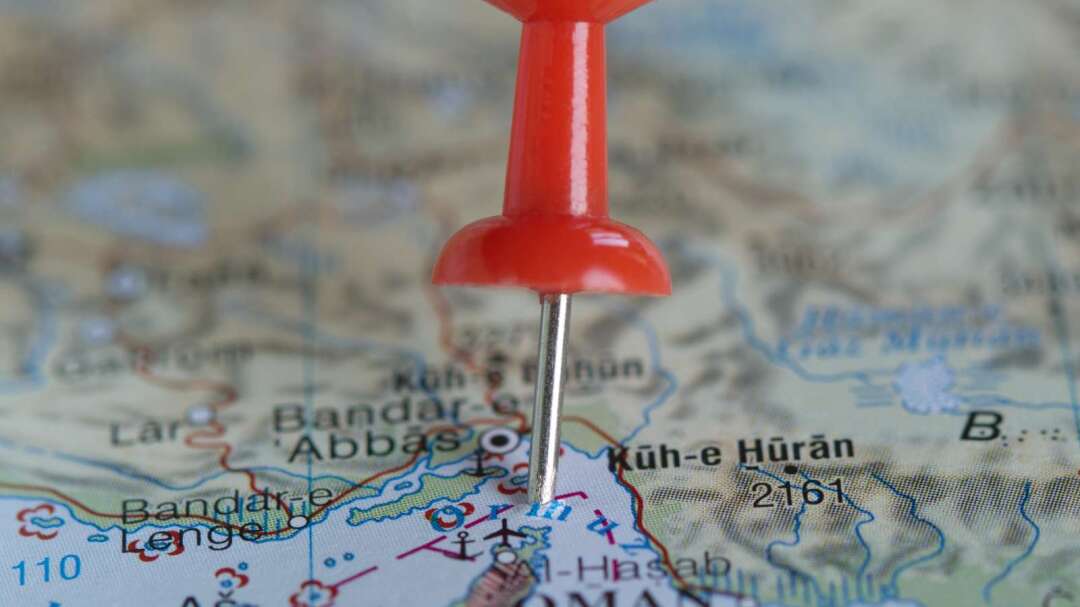
Tensions between the U.S. and Iran over the reopening of the Strait of Hormuz sharply escalated on Monday (10th), as President Trump posted on Truth Social, countering Iran's demand for compensation and sanctions relief over military conflict losses in the past five months: 'That's an interesting idea, because now I'm also demanding compensation from Iran.'
Trump also told the media at the White House that the U.S. 'fully controls the Strait of Hormuz' and has cleared Iranian-laid mines, raising American hardline posture to new heights.
This marks the first time Trump has publicly listed 'reciprocal compensation' as a negotiation condition. He demands Iran pay reparations for U.S. casualties, families of 'hundreds of thousands' of allegedly suppressed protesters, civilian deaths in Lebanon and Gaza, and families of the 17 U.S. sailors killed in the 2000 USS Cole attack—though the latter is widely attributed to Al-Qaeda. Analysts see this as a deliberate expansion of the issue scope, making substantive agreements harder to achieve.
Since the U.S.-Israel airstrikes on Iran in February, daily vessel traffic through the Strait of Hormuz has plummeted from pre-war levels of 130–140 ships to around 8 ships in early August.
Iran and Oman have recently made progress in negotiations over a 'new maritime route.' Tehran insists on reopening only if the U.S. halts hostilities, lifts sanctions, returns frozen assets, and pays compensation. Washington, however, rules out any arrangement allowing Iran to charge transit fees.
In response to Trump's counter-claim, Iranian Foreign Minister Araghchi reiterated: 'Tehran will not initiate direct talks with Washington until the U.S. complies with the June 2023 interim agreement.'
Markets reacted with oil prices. Brent October futures rose 4.99% to $87.72 per barrel, while WTI September futures gained 5.05% to $82.13, marking the largest single-day increase since July 29 and a one-week high.
Domestic U.S. politics further trap Trump. The war is deeply unpopular domestically, and ahead of the November midterm elections, rural voters are highly sensitive to fuel prices. Democratic Congressman Keating has already publicly criticized the move as 'the beginning of surrender.'
While there is pressure to end the conflict and cool inflation, Trump's insertion of massive compensation demands widens the gap between U.S. and Iranian positions, with no sign of narrowing in the short term.
Analysts widely believe the 'reopening' of the Strait of Hormuz has regressed from technical talks back to political brinkmanship, leaving global energy markets to continue pricing in geopolitical risk.
FACT BOX
- Source: PR Times
- Category: News