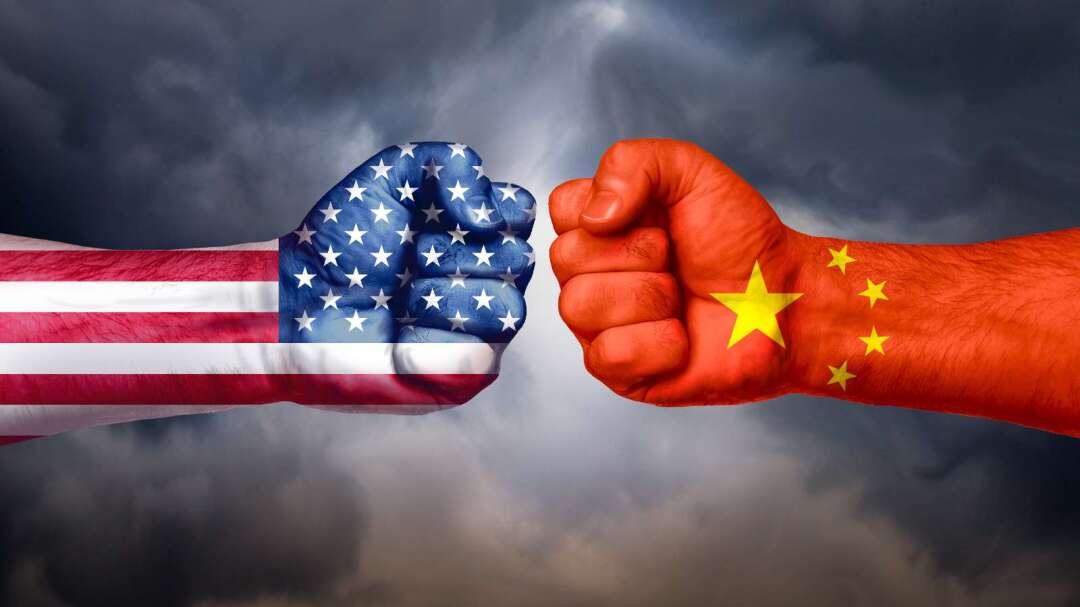
The U.S. Federal Communications Commission (FCC) is becoming a driving force behind the Trump administration's tough stance on China. Once known for spectrum auctions and TV station licensing, the agency is now at the forefront of technological restrictions against China.
Under the leadership of Trump ally Brendan Carr, the FCC has taken a series of actions over the past nine months to target activities it views as threats to U.S. supply chains.
The FCC has already banned the import of new Chinese-made drones, routers, inverters, and robots. It has also initiated procedures to prohibit all Chinese laboratories from testing electronic devices—such as smartphones, cameras, and computers—intended for use in the United States.
According to a Reuters report on Monday (the 10th), the FCC is currently drafting a ban on U.S. imports of new Chinese-made data center components, aiming to protect American infrastructure underpinning the artificial intelligence (AI) boom.
U.S. officials say these measures, designed to exclude Chinese equipment from the technology supply chain, are backed by the Trump administration. Officials note that while taking action, the FCC has tried to avoid provoking Beijing, often targeting Chinese technology without explicitly naming China.
Beijing is now responding with countermeasures.
On Wednesday, China announced it would strengthen export controls on drones and technology bound for the U.S., in response to FCC actions and other U.S. trade measures, and imposed sanctions on a U.S. testing and certification company.
Two informed sources revealed that prior to these countermeasures, Chinese officials had attempted to engage with the FCC but were rebuffed. The FCC declined to comment on the outreach, and the Chinese embassy in Washington did not respond to requests for comment.
China has consistently opposed FCC actions, calling them discriminatory against Chinese firms, potentially disruptive to global supply chains, and has warned of retaliatory steps.
U.S. officials and analysts say the FCC’s recent assertive posture represents a strategy to maintain sustained pressure on China without rupturing bilateral relations.
Carr, who became FCC chair in January 2025, is best known for his investigations into broadcast companies—actions criticized by Democratic lawmakers as attacks on press freedom. He is also a prominent China hawk.
FACT BOX
- Source: PR Times
- Category: News