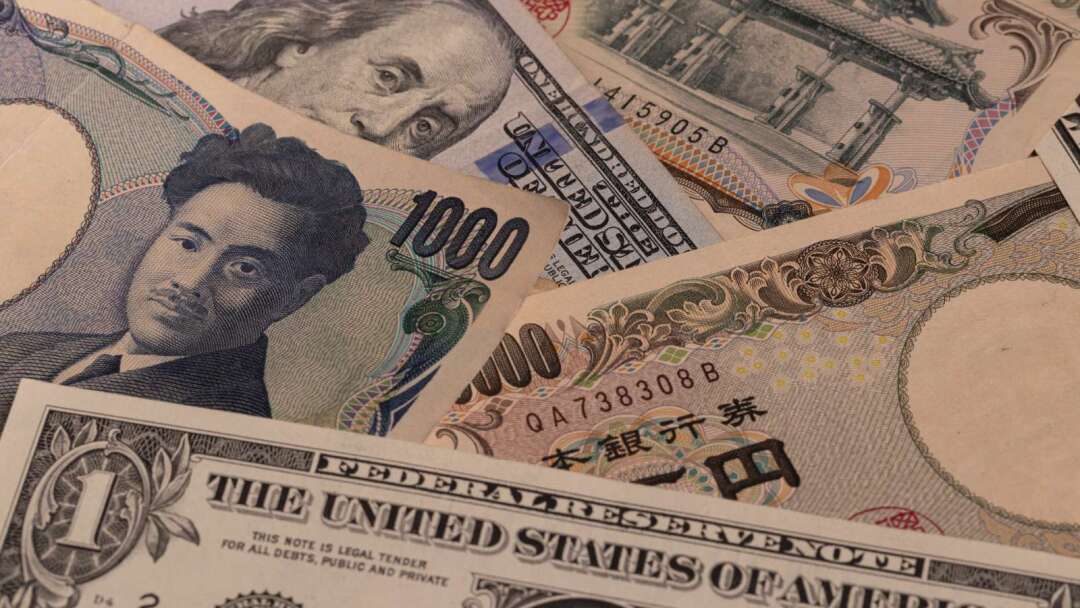
On July 31, the United States and Japan conducted a rare joint intervention in the foreign exchange market, marking the first time since 1998 that the U.S. has coordinated currency intervention with Japan. The move temporarily pulled the yen from around 164 per dollar back to 155.2, but the gains were short-lived. By Tuesday, August 11, the yen was again nearing the psychologically significant 160 level.
Market attention has swiftly shifted to an invisible rift between the two allies. U.S. Treasury Secretary Belton has long argued that 'higher interest rates are the fundamental solution to strengthen the yen.' In contrast, Japanese Prime Minister Takae Hayae is wary that a rapid rate hike could stifle economic recovery, creating a policy divergence where 'currency intervention is strong, but monetary tightening is weak.'
Since Hayae took office in October last year, the Bank of Japan (BOJ) has raised interest rates only twice, leaving the benchmark rate stuck at a low 1%. On the very day the U.S. conducted its dollar-selling intervention at the end of July, the BOJ held rates steady. Peter Vassallo, portfolio manager at Amundi Asset Management, stated that the BOJ 'missed a golden opportunity that week.' Historical experience shows that reversing market sentiment often requires synchronized currency intervention and monetary tightening.
RBC's Head of Fixed Income Dowding highlighted Japan's dilemma: Hayae wants to maintain loose policy to support economic growth, but a weak yen fuels import-driven inflation, which could erode her public support. If the BOJ fails to raise rates in September or October and the yen continues to fall, 'the market will judge the intervention as a failure,' he warned.
Currently, markets price in over a 60% probability of a BOJ rate hike at its September 17–18 meeting. If realized, this would mark the first time since the peak of Japan's asset bubble in 1989 that the BOJ has raised rates three times consecutively within 12 months.
U.S. officials argue that claims of a 'clash' between Belton and Hayae oversimplify the situation. Both sides continue to emphasize cautious communication, limiting excessive exchange rate volatility, and maintaining bilateral economic alignment. Yet, unified messaging cannot mask underlying tensions: Washington wants the BOJ to share the burden of global dollar strength, while Japan's high government seeks to preserve fiscal flexibility and political stability.
In the short term, if the 160 level is breached again, expectations for renewed joint intervention will rise. In the long term, as long as the U.S.-Japan interest rate differential (1% vs. 3.5–3.75%) remains wide, foreign exchange operations alone cannot alter the yen's fundamental depreciation trend. The real determining factor is the behind-the-scenes tug-of-war: 'Washington pushing for hikes, Japan's PM fearing hikes.'
FACT BOX
- Source: PR Times
- Category: News