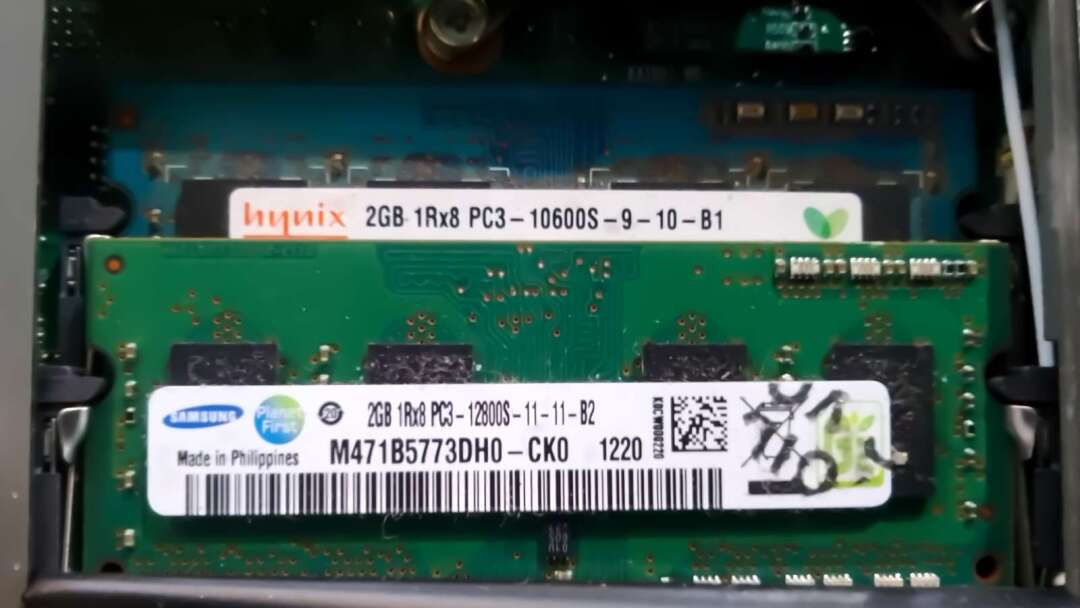
The AI-driven memory super-cycle has pushed Samsung Electronics and SK Hynix's cash engines to unprecedented speeds. South Korean media reported on Wednesday (the 12th) that both giants are internally discussing the announcement of a "historically largest shareholder return plan" by the end of this month. The market even estimates that the total amount—including special dividends, share buybacks, and cancellations—could exceed 200 trillion won.
Samsung posted Q2 revenue of 171.5 trillion won and operating profit of 89.5 trillion won this year, both setting new single-quarter records, with an operating margin of 52.2%. The DS semiconductor division contributed 89.2 trillion won in operating profit, accounting for nearly 99.7% of the entire group. The market estimates full-year free cash flow (FCF) at a minimum of 200 trillion won, optimistically reaching 250 trillion won. Based on the company’s 2024–2026 three-year commitment to return 50% of cumulative FCF to shareholders, the scale of this year’s payout would range between 100–125 trillion won. If the upper limit of 120 trillion won is reached, it would be more than 12 times Samsung’s regular annual dividend of 9.8 trillion won.
Samsung CFO Park Soon-cheol explicitly stated during the July 30 earnings call: "The board is deeply discussing execution plans including special dividends." From late July to August 3, during non-deal roadshows (NDR), the company signaled to domestic institutional investors its intention to "formulate a large-scale plan based on newly generated FCF."
SK Hynix reported Q2 revenue of 79.3 trillion won and operating profit of 60.5 trillion won (operating margin 76.3%), ending the quarter with 88 trillion won in cash and net cash of 69.4 trillion won, while debt dropped to 18.6 trillion won. Additionally, the company raised 39.9 trillion won through a U.S. ADR issuance in July, significantly increasing its available firepower. Under its 2025–2027 shareholder return policy, SK Hynix has increased its fixed annual dividend from 1,200 to 1,500 won and committed to returning 50% of cumulative free cash flow over three years to shareholders. As a result, the market expects the additional special dividend and buyback-cancellation package to reach "tens of trillions to as high as 100 trillion won," with some Korean media suggesting a combination of 40 trillion won in buybacks plus dividends.
Industry insiders believe Samsung and SK Hynix are most likely to pursue a dual strategy of "special dividends plus share buybacks and cancellations." Samsung already has a need for tens of trillions in buybacks due to an agreement with labor unions to issue special performance bonuses equal to 10.5% of the DS division’s operating profit. Meanwhile, SK Hynix must balance capital expenditures—for projects in Yongin Phase 1, Cheongju advanced packaging, and EUV equipment—against shareholder returns.
However, although Samsung’s full-year operating profit forecast was revised upward to 34 trillion won, it still represents an approximately 10% year-on-year decline. SK Hynix has maintained its full-year operating profit target but still faces several trillion won in electric vehicle strategic adjustment losses to recognize later, indicating that "this return is not a fire-sale dividend, but rather a partial crystallization of excess cash to shareholders at the peak of the business cycle."
Currently, both companies state: "Specific timing and scale have not been finalized; we are studying various plans to enhance shareholder value." Yet, given the signals from NDRs and CFO statements, the multiples of free cash flow, and existing buyback momentum, if implemented by month-end, South Korea’s capital market will witness for the first time "two giants simultaneously announcing triple-digit trillion-won-level returns."
FACT BOX
- Source: PR Times
- Category: News
- Dates in source: 2024-2026 / 2025-2027
- Products / services: DRAM / HBM(High Bandwidth Memory)