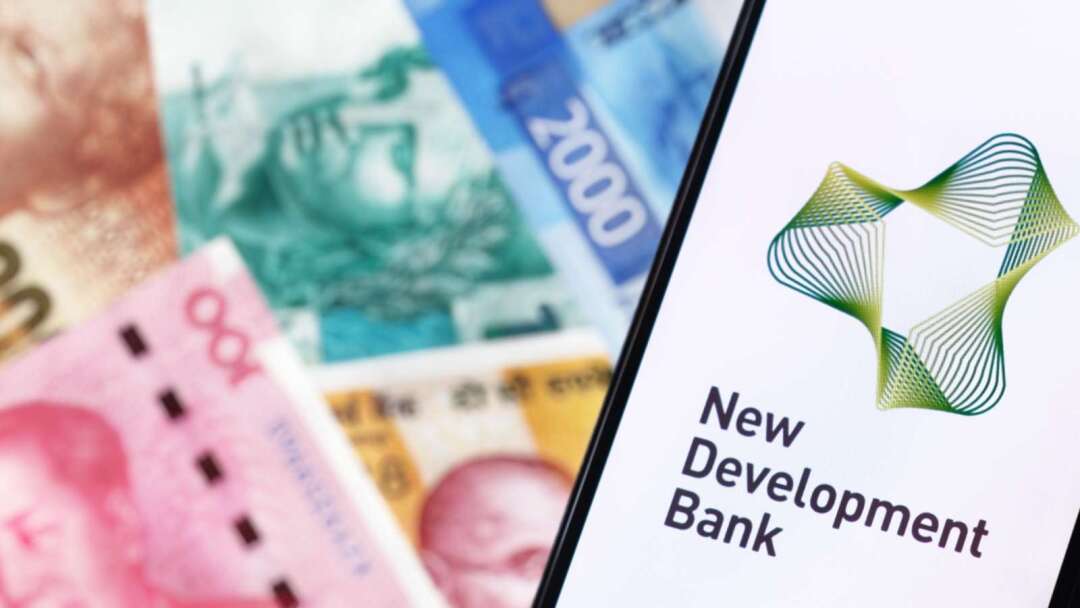
Iran's Central Bank Governor Abdolnaser Hemmati announced on Thursday (13th) during the BRICS finance meeting in India, via the Iranian Tasnim News Agency, that Iran will 'soon' become a member of the BRICS New Development Bank (NDB). He also stated that Iran is actively promoting bilateral and trilateral local currency cooperation mechanisms with BRICS member countries to reduce dependence on the US dollar. However, an NDB spokesperson has not yet confirmed the membership news, only noting that United Nations member states are eligible to apply.
This move comes amid ongoing conflict between Iran and the US-Israel alliance for nearly half a year, with Western sanctions intensifying. Long subjected to financial isolation, Iran faces soaring inflation, a collapsing national currency, and economic stagnation, making it difficult to access financing from Western markets. Joining the NDB would open access to non-dollar funding for infrastructure, digital development, and urban projects.
The NDB divides its members into borrowing and non-borrowing categories. Uzbekistan became the 10th member on June 5, and Iran must complete a full review process, including council approval and depositing the instrument of accession. Tehran does not currently appear on the list of prospective members.
China remains Iran's largest trading partner. Kpler data shows that in 2025, China imported over 80% of Iran's seaborne crude oil. However, after tensions escalated in 2026, purchases have become volatile.
The US continues to label BRICS arrangements as 'anti-American' and has threatened to impose a 25% additional tariff on goods from countries trading with Iran, keeping secondary sanctions risks high for third parties involved in Iranian finance and trade.
Analysts point out that Iran has already completed its 'political entry into BRICS,' but its 'financial entry into the NDB' remains blocked by procedural barriers. If the membership is ultimately realized, it would be a landmark case of a sanctioned economy accessing emerging multilateral development finance. However, actual lending capacity and the effectiveness of de-dollarization will still be constrained by the bank's risk controls and US long-arm jurisdiction.
FACT BOX
- Source: PR Times
- Category: News