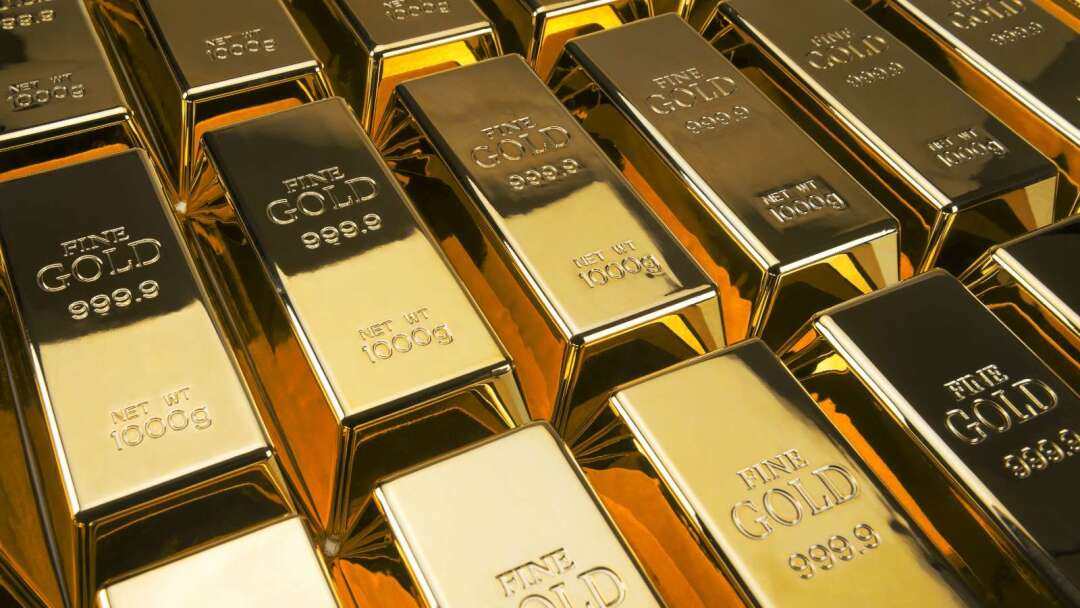
According to the latest regulatory filings, the Bank of Korea (BOK) has invested over $250 million (approximately 355 billion KRW) in a gold ETF traded on the U.S. stock market during the second quarter of this year. This is the central bank's first gold-related investment since purchasing 20 tons of physical gold in 2013, symbolizing a significant shift in its reserve management strategy.
Documents submitted by the Bank of Korea to the U.S. Securities and Exchange Commission (SEC) show that as of the end of the second quarter, it held 679,765 shares of the SPDR Gold Trust fund. This fund is one of the most widely traded gold ETFs in the United States, with its current share price around $400—significantly rebounding from last month's $360.
Since the Bank of Korea did not report holding these positions in its first-quarter filings, the market speculates that the transaction was completed during the second quarter.
Experts analyze that gold ETFs are classified as 'foreign securities' and, while included in national foreign exchange reserves, differ from physical gold bars. The advantage of investing in ETFs lies in their high liquidity and ease of trading, allowing central banks to effectively gain exposure to gold price movements and hedging benefits without directly expanding physical vault inventories.
This investment comes amid a global surge in central bank gold buying. According to data from the World Gold Council, monetary authorities worldwide net purchased 289 tons of gold in the second quarter of this year, setting a new historical high for the period. Currently, the Bank of Korea's physical gold holdings remain at approximately 104.4 tons, unchanged since 2013.
Choi Kyuho, an economist at Hana Financial Investment Securities, points out that the Bank of Korea's gold allocation ratio is far below international standards, suggesting room for further增持.
In addition to purchasing U.S. stock-listed ETFs, the Bank of Korea recently announced plans to procure domestically produced physical gold to diversify reserve sources and hedge against geopolitical and inflation risks.
FACT BOX
- Source: PR Times
- Category: News