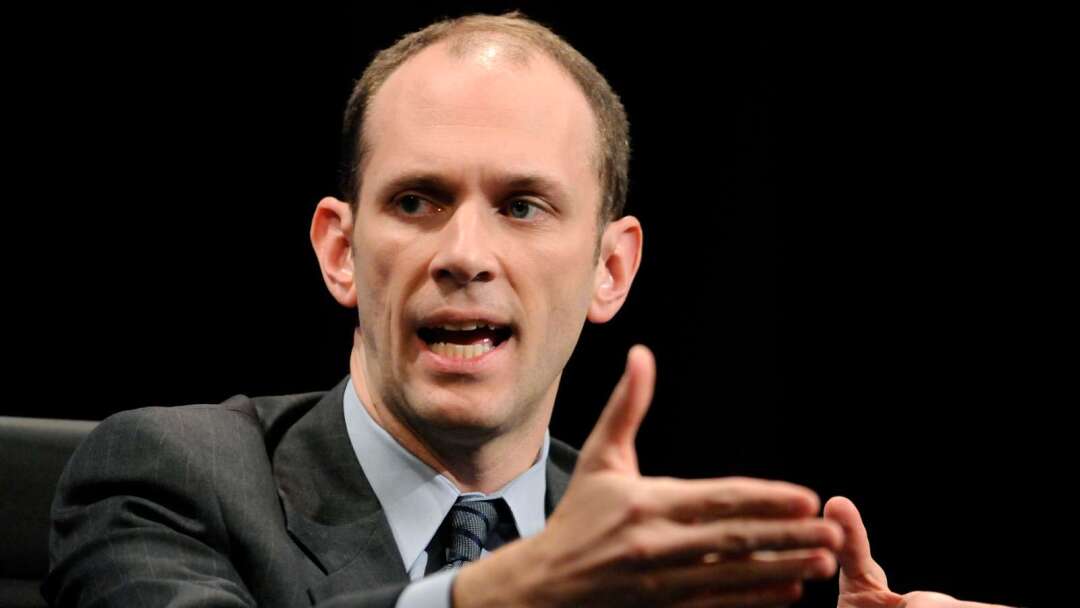
Chicago Federal Reserve President Austan Goolsbee said on Friday (14th) that while the recent cooling of inflation is encouraging, he would like to see several more months of similar data before being confident that prices are sustainably moving back toward the Federal Reserve’s (Fed) 2% target.
Speaking to Bloomberg, Goolsbee noted that recent Consumer Price Index (CPI) data released over the summer suggest the economic shocks from tariffs and rising oil prices may now be gradually absorbed into the economy. Although the past three months have shown improvement, inflation had moved in the wrong direction for five to six consecutive months prior, and overall levels remain too high.
He stated that if inflation continues to perform similarly to June’s readings for the next three to four months, he would gain greater confidence that prices are back on track toward the 2% goal. Goolsbee supported the Fed’s decision to hold rates steady at its July meeting, calling inflation the primary concern at present, while describing economic growth and the labor market as “basically stable.”
The Fed has now held rates steady for a fifth consecutive month, but an increasing number of officials worry that without further hikes, inflation may fail to return to target. At the July meeting, three policymakers voted against the decision, advocating for an immediate 25-basis-point rate hike.
Goolsbee cited past experiences with high inflation as making him more cautious in policymaking. U.S. inflation exceeded 7% in 2022 and has remained above the Fed’s target for over five years. History shows that once inflation becomes entrenched, it is difficult to eliminate and often comes with significant costs.
However, recent data show signs of relief. As the war-driven surge in energy prices fades, consumer price increases have slowed for two consecutive months. U.S. retail sales in July also posted their largest decline in over a year. Goolsbee warned that since consumer demand is a key pillar of U.S. economic growth, a sustained drop in retail sales over several months would concern him.
Improving inflation combined with weak hiring has led investors to scale back bets on rate hikes. Just one month ago, markets expected at least two hikes this year, possibly starting in September. Now, the probability of a September hike has dropped to around 30%, and traders expect only one rate increase by year-end.
Goolsbee is also monitoring the recent slowdown in productivity growth. Some economists and former Fed Governor Kevin Warsh believe artificial intelligence (AI) could boost corporate efficiency, allowing the economy to grow faster without stoking inflation. But Goolsbee cautioned that higher productivity could also trigger massive investment, overheating the economy, and does not necessarily mean the central bank should lower rates.
Regarding Warsh’s suggestion to reduce the number of annual Fed policy meetings, Goolsbee said he currently has no strong position and will await recommendations from five working groups. The Fed currently holds eight interest rate-setting meetings per year.
FACT BOX
- Source: PR Times
- Category: News
- Organizations: Federal Reserve (Fed) / Chicago Federal Reserve Bank