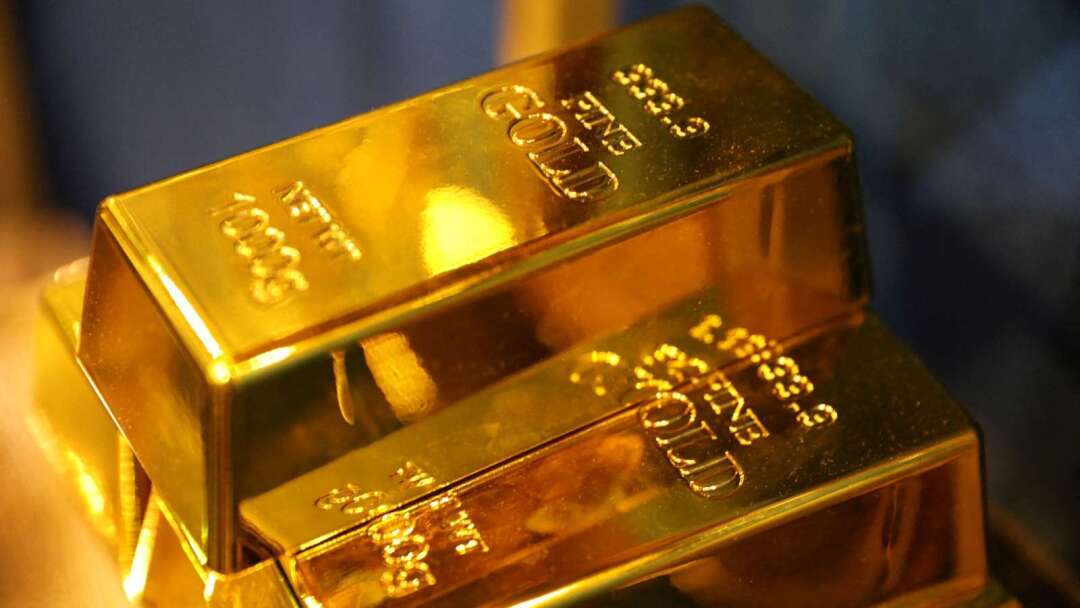
Gold prices have rebounded 9% since August, pushing the price back to around $4,400 per ounce, suggesting that following the sell-off wave sparked by the U.S.-Israel conflict with Iran, gold may be regaining favor with institutional investors and central banks worldwide, gradually reclaiming its role as a safe-haven asset.
The war erupted in late February, sending gold tumbling from its January peak of $5,595 per ounce. By June, prices had even dipped below $4,000. At the time, investors sought cash liquidity amid market turmoil, and some central banks tapped into their gold reserves amid soaring oil prices to support domestic economies.
Independent analyst Ross Norman said gold has "finally released the handbrake." This month, gold has broken through two key resistance levels, supported primarily by falling oil prices and cooling U.S. inflation data, which has also reduced market expectations of future rate hikes by the Federal Reserve (Fed).
James Steel, HSBC's chief precious metals analyst, stated that as long as Middle East tensions do not worsen again and oil prices remain stable, the path of least resistance for gold remains upward. The strong rebound over the past two weeks may indicate that central banks or sovereign wealth funds have already begun buying, though he emphasized this is only an inference based on market behavior and not confirmed.
Signs of recovering demand for large gold bars are emerging in major Asian trading hubs. In China, gold traded at a $1.50 per ounce premium last week, reflecting renewed buyer interest. Steel believes large institutions may be rebuilding their gold positions to pre-U.S.-Israel-Iran war levels.
However, gold’s upward momentum still faces several headwinds, including stalled negotiations to end the Iran war, weak jewelry and coin demand, and limited inflows into interest-rate-sensitive gold ETFs. World Gold Council (WGC) data shows gold ETFs added only $7 billion in the first half of August, raising total assets under management to $582 billion.
Technical indicators are also flashing warnings: the Relative Strength Index (RSI) suggests gold is nearing short-term overbought territory, and the 200-day moving average at $4,504 per ounce could become a significant resistance level for further price gains.
FACT BOX
- Source: PR Times
- Category: News
- Organizations: HSBC