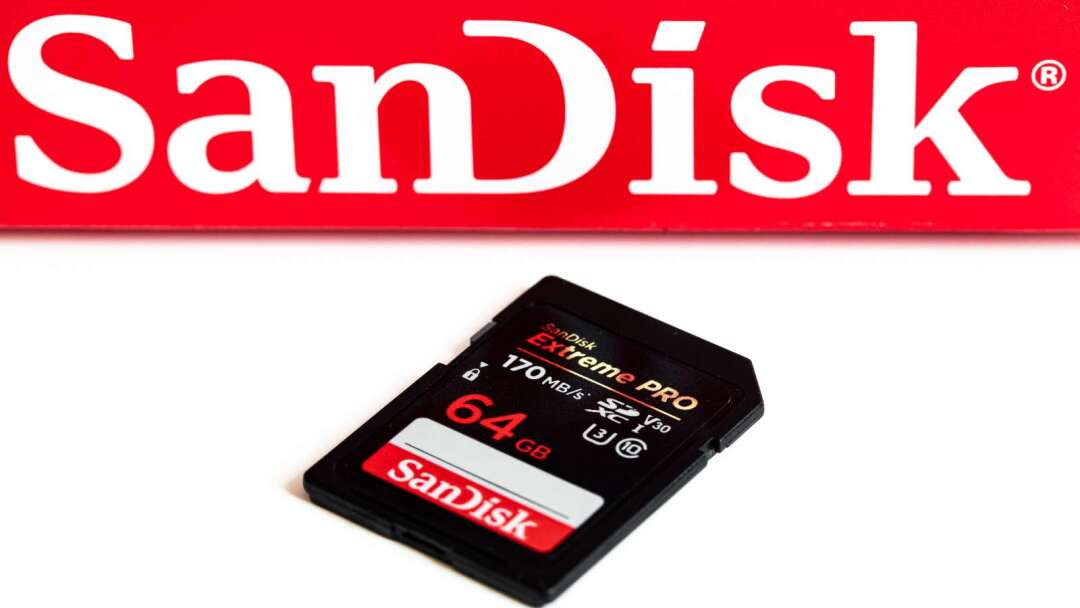
Memory stocks have surged this year, with SanDisk (SNDK-US) emerging as a central market focus. Year-to-date, the stock has skyrocketed 628%, climbing from around $235 at the start of 2026 to a 52-week high of $2,354—an exceptionally rare performance among memory stocks this year. However, after hitting a record high, SanDisk reversed sharply, shedding nearly 50% of its value and dipping as low as $1,119 before rebounding to around $1,741.
Amid this volatility, hedge funds have developed sharply divergent views on SanDisk. According to 13F filings submitted to the U.S. Securities and Exchange Commission (SEC) through mid-August for the second quarter, some funds continued to increase their stakes after the rally, citing strong AI-driven storage demand. Others chose to lock in profits, reduce exposure, or exit entirely.
On the bullish side, Rob Citrone’s Discovery Capital increased its SanDisk holdings in Q2, raising its position from approximately 184,000 shares to 208,000 shares. Discovery established this position in Q1, purchasing around 184,000 shares for over $100 million, making it one of the fund’s largest new buys that quarter. Despite the stock’s continued surge, Citrone opted not to take profits and instead added more shares in Q2.
Rokos Capital also increased its stake, boosting holdings by 28% from 57,063 to 72,771 shares. Notably, the fund had reduced its SanDisk position in Q1, cutting from 79,398 to 57,063 shares. Its Q2 increase signals a strategic reversal, recommitting to the memory stock’s future performance.
Yet not all major investors believe SanDisk still has room to grow on AI-driven storage demand.
Stanley Druckenmiller’s Duquesne reduced its SanDisk stake slightly in Q2, from about 38,000 to 35,000 shares. Having initiated the position in Q1, this move represents a modest adjustment, contrasting with the aggressive accumulation seen in other funds.
A more definitive exit came from David Tepper’s Appaloosa, which fully liquidated its ~280,000-share SanDisk position—established in Q1. This means Appaloosa exited completely even as the stock continued its strong rally in Q2.
Renaissance Technologies took an even more aggressive stance. The fund slashed its SanDisk holdings by over 99% in Q2, reducing its stake from approximately 799,600 shares to just 4,980—effectively a near-total exit. This marks the second consecutive quarter of减持 by Renaissance.
In fact, Renaissance began cutting in Q1, reducing its position from around 1.2 million shares by 34% to 799,600. The further 99% reduction in Q2 indicates a significantly more conservative risk assessment following the stock’s sharp run-up.
SanDisk’s explosive rally has made it one of the most watched memory stocks amid the AI infrastructure and storage demand boom. However, its rapid 50% pullback after soaring from $235 to $2,354 has intensified debate over valuation and future growth potential.
The latest 13F filings reveal no consensus among hedge funds. Discovery Capital and Rokos Capital’s continued buying reflects confidence that AI servers, data centers, and high-performance computing will sustain storage market growth. In contrast, Appaloosa’s full exit and Renaissance’s near-total withdrawal suggest other investors view the rally as a profit-taking opportunity.
SanDisk’s future price trajectory will thus face a tug-of-war between two forces. On one hand, expanding AI data centers and rising storage demand may continue to provide fundamental support. On the other, with the stock already up 628% this year, valuation concerns, profit-taking pressure, and volatility risks are increasingly pronounced. For investors, the latest 13F data reflects not just capital flows, but a major Wall Street divergence over whether the memory stock rally can continue.
FACT BOX
- Source: PR Times
- Category: News
- Organizations: Discovery Capital / Rokos Capital / Duquesne
- Products / services: SSD