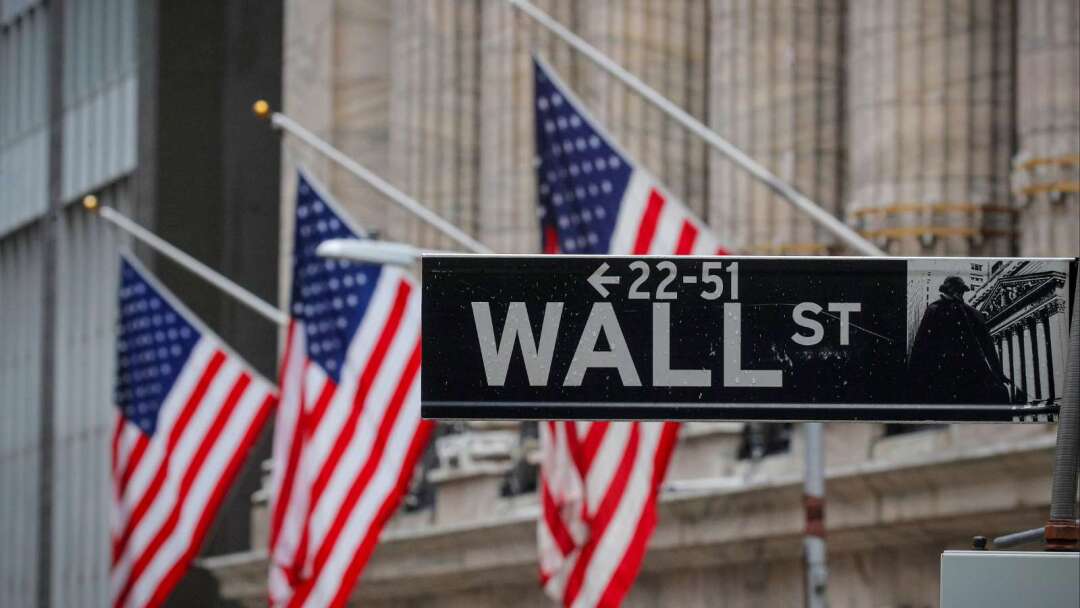
Wall Street's 'fear index' has dropped to its lowest level of the year, reflecting an unusually calm U.S. stock market despite ongoing geopolitical unrest. However, strategists are warning that with market volatility at low levels, U.S. stocks repeatedly hitting new highs, and Middle East risks remaining unresolved, investors should not become overly complacent about the current tranquility.
The Chicago Board Options Exchange Volatility Index (VIX) measures the market's expectation of 30-day volatility based on S&P 500 index options pricing. Typically, the calmer the market, the lower the VIX. So far this year, the S&P 500 has risen approximately 16%, with many major stock indices reaching all-time highs. On Friday last week, the VIX fell to 14.2, marking its lowest point of the year.
This low point in the fear index coincides with a historically volatile period.
Jonathan Krinsky, BTIG’s chief market technical strategist, said the continued decline in VIX indicates growing investor complacency. Yet, he cautioned, the market is entering a period—mid-August to mid-October—that has historically been more turbulent, especially during U.S. midterm election years.
Krinsky noted that since 1990, in every U.S. midterm election year, the equal-weighted S&P 500 has declined by at least 7% from its average peak around August 18 to mid-October. This year’s market is behaving unusually: since October last year, there hasn’t been a single trading day where declining stocks accounted for at least 80% of total trading volume.
He pointed out that in a typical year, there are on average 21 such broad-based sell-off days, and historically, no year has had fewer than five. Now, with U.S. stocks at record highs and the VIX at its annual low, historical precedent suggests investors should not relax too much ahead of what is typically the most difficult market stretch of a midterm election year.
Krinsky recommends the current environment as a good time to reduce risk exposure or hedge against broad equity positions. Even though recent data on employment, Consumer Price Index (CPI), and Producer Price Index (PPI) have been relatively mild, long-term U.S. Treasury yields remain near their cycle highs, creating a stark contrast with the optimistic sentiment reflected in the stock market.
Geopolitical and consumer risks still lurk beneath the surface.
Quantitative trading firm Susquehanna noted that market volatility has undergone a significant reset, with two-month implied volatility dropping to 13.5%, close to pre-U.S.-Iraq war levels. However, cross-asset and geopolitical risks remain highly active.
Axel Rudolph, IG’s chief technical analyst, pointed out that while the VIX is falling, equity funds have attracted capital inflows for 12 consecutive weeks. Yet, there are no signs of resolution in the Middle East, and shipping pressures in the Strait of Hormuz persist. At the same time, U.S. July retail sales unexpectedly declined by 0.6%, indicating consumers are beginning to feel the pressure from rising living costs and economic slowdown.
Rudolph said that while three consecutive weeks of gains in U.S. stocks are impressive, the combination of extremely low market volatility and accumulating underlying risks means investors may be underestimating how vulnerable this rally is to sudden negative shocks. The picture painted by long-term U.S. Treasury yields also differs markedly from the recent stock market rebound.
Strategists believe that the VIX falling to low levels doesn’t mean risks have disappeared—in fact, it may indicate that the market is inadequately prepared for bad news. If Middle East tensions, inflation, yields, or consumer data worsen again, U.S. stocks, already at historic highs, could face even more severe volatility.
FACT BOX
- Source: PR Times
- Category: News
- Organizations: BTIG / Susquehanna / IG