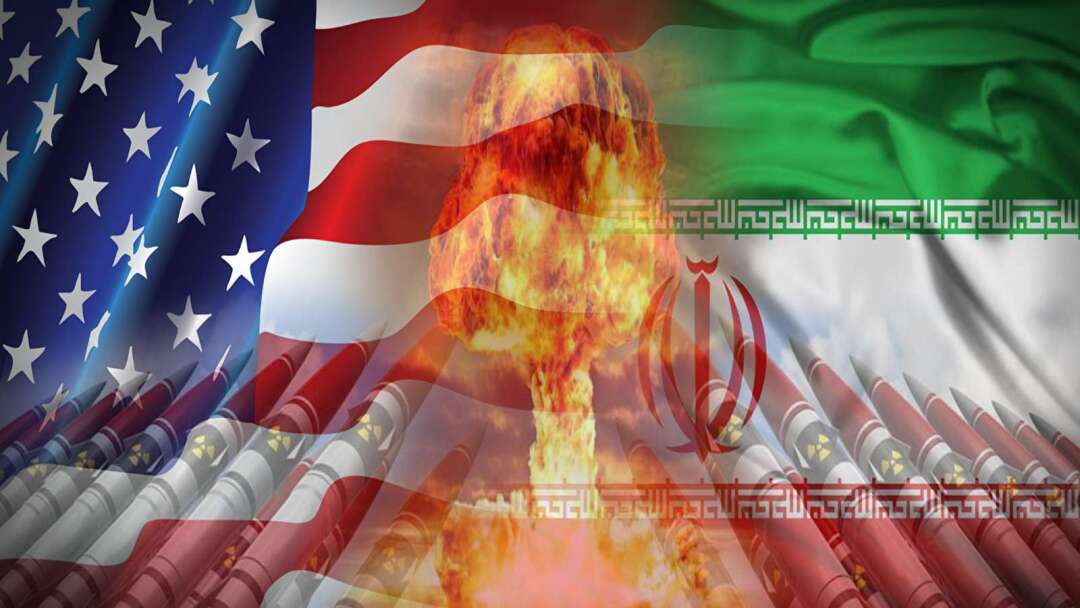
As tensions between the U.S. and Iran escalate once again, a cargo vessel was reportedly hit by an unknown projectile in the Strait of Hormuz on Tuesday (18th), underscoring the heightened security risks in one of the world’s most vital energy transit corridors. The UK Maritime Trade Organisation (UKMTO) confirmed that a merchant ship was struck while exiting the strait, sustaining damage to its engine room and resulting in crew casualties. The remaining crew were rescued by Oman’s coast guard. Authorities are currently investigating the incident, with no reports of environmental contamination so far.
The attack occurred just one day after the expiration of a 60-day diplomatic truce between the U.S. and Iran on Monday (17th). The temporary ceasefire, agreed upon in mid-June, aimed to create space for negotiations on halting hostilities, resolving Iran’s nuclear program, and lifting restrictions on shipping through the Strait of Hormuz. However, no formal follow-up agreement was reached before the deadline, leaving the peace process stalled.
Iran has since announced a shift toward a 'full-scale offensive' military posture. A senior Iranian official told Reuters that due to the deadlock in talks over a permanent end to hostilities, Tehran will alter its military strategy. Iranian military spokesperson Ebrahim Zolfaghari reportedly warned that vessels attempting to pass through the Strait of Hormuz face the risk of attack.
President Trump had already ruled out extending the ceasefire prior to its expiry, stating that Iran would not accept the conditions Washington deems necessary to end the conflict. This eliminates the limited diplomatic breathing room previously maintained through the temporary truce, with neither side showing immediate willingness to compromise.
Analysts at Eurasia Group believe the U.S. and Iran may now enter a prolonged standoff, as neither party currently has sufficient incentive to make major concessions. The firm has abandoned expectations of a peace deal before September and pushed back its timeline for de-escalation to year-end.
Eurasia Group suggests the most likely outcome is a 'limited agreement' that allows partial resumption of shipping through the Strait of Hormuz—without signaling a true end to U.S.-Iran hostilities. With alternative shipping routes now capable of absorbing some oil flows, the risk of oil prices spiking above $100 per barrel has diminished. Combined with the global economy gradually adapting to restricted access through the strait, Washington faces reduced immediate pressure, allowing it to 'wait'.
Nonetheless, actual shipping conditions in the Strait of Hormuz remain dire. Data from vessel-tracking firm Kpler shows only three ships transited the strait on Sunday, indicating near-total paralysis in maritime traffic. On Saturday, just five bulk commodity carriers passed through; Sunday recorded none. By contrast, 31 such vessels crossed during the previous weekend, highlighting a dramatic contraction in shipping activity.
The strategic importance of the Strait of Hormuz lies in its role as a global energy chokepoint. Prior to the conflict, approximately one-fifth of the world’s crude oil and natural gas supply flowed through this narrow waterway. Prolonged disruptions could severely impact crude and LNG exports, affecting Asian refiners, European energy markets, and global fuel prices.
The Strait of Hormuz is not the only energy corridor under strain. The Bab el-Mandeb Strait at the entrance to the Red Sea is also affected by regional conflicts. According to Reuters, after Yemen’s Houthi rebels declared a naval blockade on Saudi Arabia in mid-July, only 49 bulk commodity vessels passed through the strait over the weekend—down from 55 the previous week.
This means global energy transport is simultaneously disrupted across two key strategic waterways. If security risks rise in both straits, shipping companies may opt for longer detours, increasing voyage distances, fuel consumption, and insurance costs—all of which could eventually be passed on to consumers through higher prices for crude oil, refined products, and other commodities.
Iranian Foreign Minister Abbas Araghchi stated on Saturday that negotiations with Oman continue, aiming to establish new arrangements for managing shipping through the Strait of Hormuz. Turkish President Erdogan recently spoke with Trump, urging continued negotiations with Iran and offering Turkey’s support for peace efforts.
However, diplomatic mediation faces growing political resistance. On Monday, Trump warned that if Oman obstructs U.S. efforts to reopen the Strait of Hormuz, the U.S. might take military action. Since Oman is actively negotiating with Iran on shipping arrangements, Trump’s statement could further constrain diplomatic flexibility.
Moreover, according to The Wall Street Journal, Iran’s hardline leadership has no intention of quickly ending the conflict. Instead, they aim to increase the war costs for the U.S. and its regional allies. Intelligence reports suggest Iran’s military is enhancing missile and drone capabilities and strengthening coordination with armed groups in Yemen, Iraq, and Lebanon—indicating Tehran is preparing for a protracted conflict.
The shipping risks in the Strait of Hormuz are no longer theoretical. Over recent weeks, multiple commercial ships and tankers have been attacked. In early August, a bulk carrier caught fire after being struck in the engine room by an unknown projectile in the strait, leading to missing crew members.
The latest attack underscores that despite ongoing diplomatic efforts by some nations, commercial vessels still face extreme risks when transiting the strait. For shipping companies, the decision to enter the Strait of Hormuz is no longer just about route efficiency—it now involves crew safety, vessel integrity, and soaring insurance premiums.
Energy markets have swiftly reacted to the deteriorating diplomatic situation. U.S. crude futures rose 0.25% on Tuesday to $84.70 per barrel, following a 2.6% gain the previous day. International benchmark Brent crude briefly touched $91.14 on Tuesday—the highest since late July—and last traded around $90.86.
Oil prices have not yet retested the $100 mark, partly because markets have gradually adapted to disruptions in the Strait of Hormuz, with oil producers and traders seeking alternative routes and supply sources. However, if actual crude shipments through the strait decline further or attacks on merchant vessels increase in frequency, markets may reintroduce a higher risk premium for supply disruptions.
For the global economy, the real danger lies not just in oil prices themselves, but in how rising energy costs could transmit through gasoline, diesel, aviation fuel, and logistics expenses to consumers—reigniting inflationary pressures. The U.S., in particular, remains sensitive to high oil and fuel prices, and any sustained energy supply shock could complicate the Federal Reserve’s monetary policy decisions.
Currently, the expiration of the 60-day U.S.-Iran ceasefire has brought no diplomatic breakthrough. Instead, it coincides with renewed ship attacks in the Strait of Hormuz, a sharp drop in shipping volume, and a more aggressive stance from Iran’s military. Eurasia Group warns that even if shipping partially resumes, the underlying hostility between the U.S. and Iran remains unresolved—meaning any new military escalation could disrupt trade once again.
Therefore, market focus over the coming weeks will center on three key variables: whether the U.S. and Iran can re-establish effective negotiation channels, whether there is tangible recovery in shipping through the Strait of Hormuz, and whether attacks on merchant vessels persist. Without diplomatic progress and worsening maritime security, the Strait of Hormuz could shift from 'near paralysis' to a long-term de facto blockade—pushing oil prices and global energy supply risks even higher.
FACT BOX
- Source: PR Times
- Category: News
- Organizations: Eurasia Group / Kpler / UKMTO