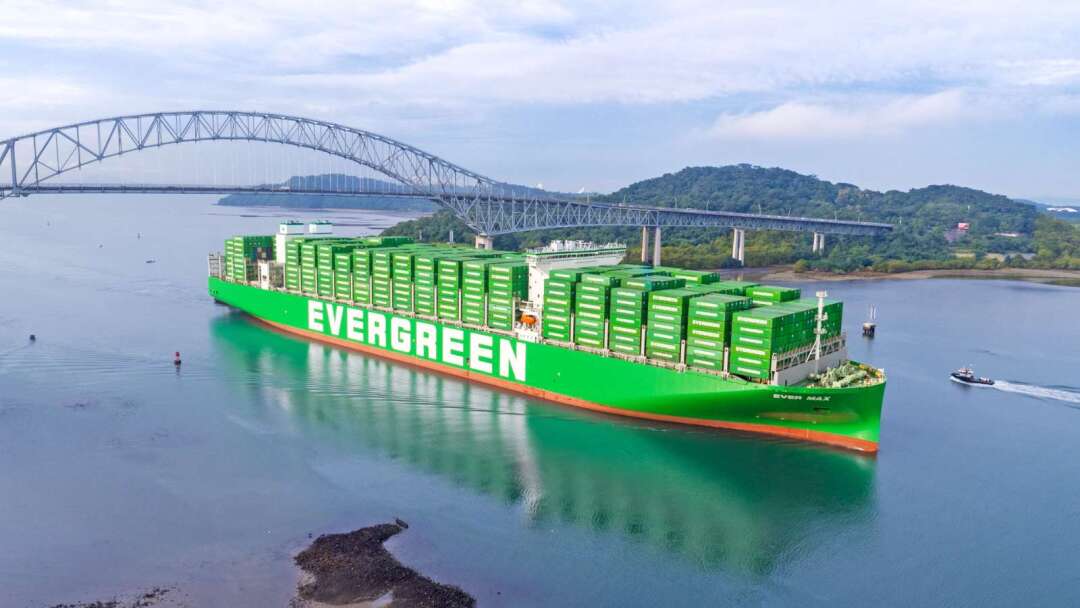
According to an announcement by the Shanghai Shipping Exchange, the latest freight rate for the U.S. East Coast route has reached USD 9,568 per FEU (standard 40-foot container). Market expectations suggest the rate could surpass the USD 10,000 mark within the next two weeks, approaching the peak levels seen during the height of the pandemic. As a result, share prices of the 'Big Three' container carriers have surged: Evergreen (2603-TW) hit a two-month high, Yang Ming (2609-TW) reached a five-month high, and Wan Hai (2615-TW) achieved a two-month high, breaking above the NT$100 threshold.
Freight forwarders indicate that U.S. route freight rates are expected to continue rising over the next two weeks. The current quote for the U.S. West Coast stands at USD 7,250–7,700 per FEU, while the U.S. East Coast is projected to reach USD 10,900—indicating over 10% upside potential from current levels.
Due to multiple factors including the Middle East situation, carriers implementing blank sailings, and restrictions at the Panama Canal, the current supply-demand structure remains tight.
Yang Ming stated that port congestion at major terminals in Shanghai and Europe—caused by weather conditions, short-term shipment surges, and terminal operation bottlenecks—remains uncertain in terms of improvement. Geopolitical tensions and tariff policies will continue to influence cargo flows and capacity deployment. The company will closely monitor cargo demand, flexibly adjust fleet and voyage deployment plans, and enhance port responsiveness and cost control to improve schedule reliability and operational competitiveness.
Analysts note that despite facing high depreciation costs and freight rate volatility, long-term contract rates for container shipping lines remain supported, helping maintain stable profitability.
In particular, financial institutions are optimistic about Evergreen’s ongoing delivery of a large number of energy-efficient new vessels. While this may bring short-term depreciation pressure, in the long term, under increasingly strict EU carbon taxes and emissions regulations, it will translate into a significant competitive advantage.
FACT BOX
- Source: PR Times
- Category: News