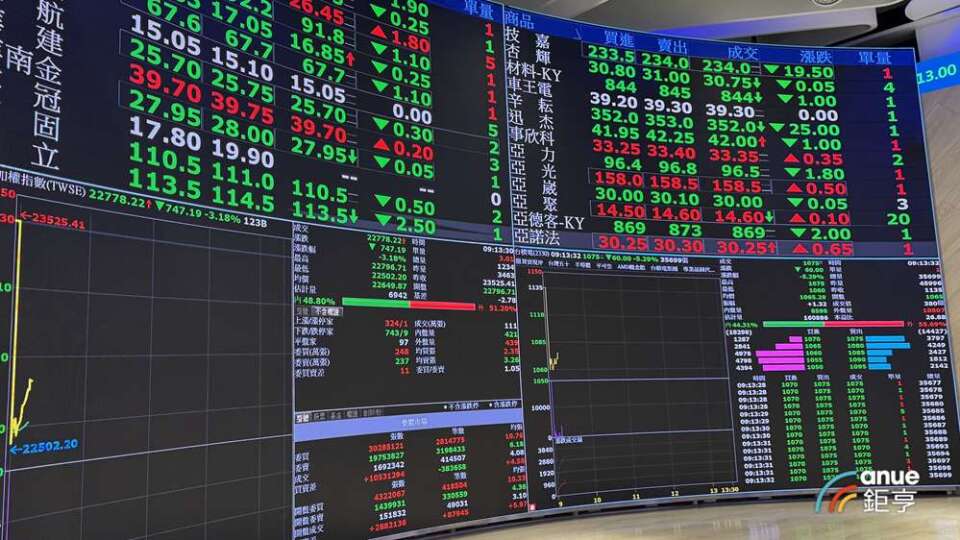
Taiwan's stock market showed a consolidating trend during trading today (18th), yet trading in active ETFs remained robust. Within half an hour of opening, three Taiwan-focused active ETFs surpassed 50,000 trading units in volume, including Active United Taiwan Growth (00981A-TW), Active CTBC Taiwan Income (00406A-TW), and Active United Upgrade 50 (00403A-TW).
Among them, 00406A, which debuted in June, announced a new dividend yesterday—NT$0.138 per unit. Based on recent share prices, this translates to an annualized yield approaching 17%, drawing significant market attention.
During today’s session, 00406A reached a high of NT$9.99, nearly touching its NT$10 issue price. While it has not yet officially reclaimed its initial offering price, its intraday performance has led all active Taiwan ETFs in terms of gains.
Investment experts noted that 00406A generated considerable buzz after its first payout last month. Online discussions were already intense before yesterday’s dividend announcement. Market expectations had been for a payout matching the previous one, but the surprise increase of NT$0.01 pushed the annualized yield even closer to 17%, making it more attractive to income-seeking investors.
00406A employs a covered call strategy and completed its first distribution in July. Market observers pointed out that the previous payout was entirely sourced from option premiums, meaning it does not qualify as dividend income and is therefore exempt from supplemental insurance premiums—a notable tax advantage.
Additionally, 00406A offers monthly dividends, with an investment threshold of less than NT$10,000 per board lot. This low entry cost allows retail investors to build income-generating positions affordably and reinvest easily. Its diversified income structure has also gained favor among high-net-worth investors. The fund’s assets have now exceeded NT$17 billion, a significant increase from its initial launch.
According to institutional analysis, most Taiwanese companies distribute dividends between June and August, creating seasonal cash flow patterns. In contrast, covered call ETFs can generate steady income by regularly selling call options and collecting premiums, supplementing returns during non-dividend seasons and enhancing income stability.
Compared to traditional high-dividend ETFs, this strategy combines income from dividends, capital gains, and option premiums. During market volatility or consolidation, rising implied volatility can boost premium income, providing a degree of downside protection while still allowing participation in long-term market growth. This makes it a suitable asset allocation tool for investors seeking stable returns.
*Disclaimer: The stocks, funds, and futures products mentioned in this article are for reference only and do not constitute investment advice. Investors should make independent judgments, carefully assess risks, and bear their own profits and losses.
FACT BOX
- Source: PR Times
- Category: News
- Products / services: 00406A-TW / Covered Call ETF