Samsung Electronics has raised prices for certain new wafer fabrication orders by up to 15% due to surging demand for artificial intelligence (AI) chips and tightening capacity in advanced manufacturing processes.
As Taiwan Semiconductor Manufacturing Company (TSMC)'s advanced process capacity nears full utilization, customers are shifting to Samsung and Intel, enhancing Samsung's bargaining power in its foundry business. The long-standing loss-making division could potentially turn profitable as early as next year.
According to two sources familiar with the matter cited by Reuters on Wednesday (19th), demand from Chinese clients is particularly strong, but Samsung cannot fulfill all orders because it must also supply U.S. customers and reserve some capacity for its own chip production. The sources noted that Chinese clients are among those accepting the highest price hikes, highlighting how U.S. restrictions on exporting advanced chipmaking equipment to China have made local firms increasingly reliant on overseas foundries.
In July, Samsung already increased quotations for its 4-nanometer SF4 process, raising prices by 10% to 15% for Chinese and U.S. customers compared to the previous month, while Taiwanese customers saw increases of 5% to 10%. Additionally, quotations for 5-nanometer SF5 process wafers rose 10% to 15%, and prices for the more mature 8-nanometer process also increased by nearly 10%. Samsung declined to comment, stating it does not disclose operational details.
TSMC's Capacity Crunch Boosts Samsung's Bargaining Power
According to research firm Counterpoint, Samsung held only about 7% of global foundry revenue market share in the first quarter of this year, far below TSMC's over 70%. However, AI chip demand has occupied most of TSMC's advanced process capacity, giving Samsung an opportunity to capture overflow orders and raise prices.
Samsung expects advanced processes to account for more than half of its foundry revenue this year, with AI and high-performance computing (HPC) applications making up over 30%, significantly higher than the 15% to 20% seen at the end of 2025. Lee Min-hee, an analyst at BNK Investment & Securities, said that as TSMC faces capacity constraints and raises prices, customers are turning to rivals like Samsung and Intel, prompting Samsung to follow suit with price hikes.
Lee added that if Samsung continues to raise prices, its foundry business could achieve profitability as early as next year—sooner than previously anticipated by the market. Samsung has also stated that with improved factory utilization rates, better process yields, and stronger pricing, its foundry division is expected to return to profitability in the near future.
Major Customer Orders Fuel Revenue Recovery Prospects
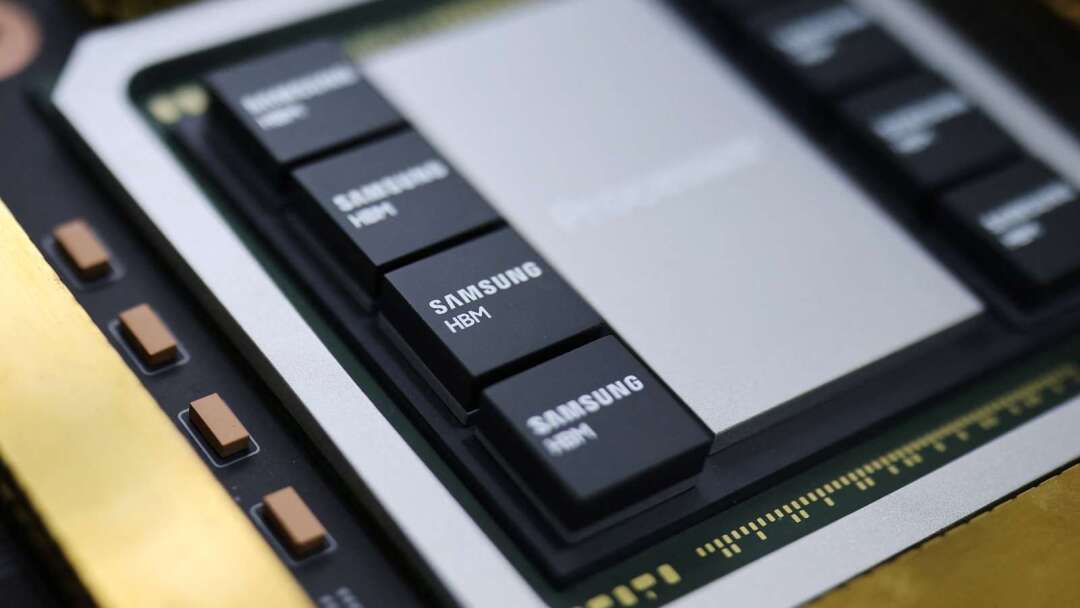
Sources revealed that Samsung's SF4 production line at its Pyeongtaek plant in South Korea has been operating at full capacity since late last year. In addition to producing logic chips for clients such as Qualcomm, the line also manufactures base dies required for Samsung's own multi-layer high-bandwidth memory (HBM).
Samsung anticipates that its foundry revenue in the second half of this year will grow more than 10% year-on-year, driven by increased sales to major U.S. and Chinese customers and rising demand for HBM base dies. Improved process yields have also helped Samsung secure more high-profile clients; both Tesla and Apple announced chip manufacturing agreements with Samsung last year.
In July, Samsung also announced it had secured an AI chip production order from Broadcom, and NVIDIA CEO Jensen Huang stated in March that Samsung would manufacture NVIDIA's new AI inference processors. Sources further indicated that Google is currently discussing with Samsung the use of the SF4 process for chip production, though Google has not responded to requests for comment.
FACT BOX
- Source: PR Times
- Category: News
- Organizations: Google