According to The Barron's, investors had widely expected that the U.S.-Iran conflict would not escalate further. However, on Monday (17th), President Trump threatened to bomb Oman, a U.S. ally, and on Tuesday (18th) stated that the United States was not engaged in any negotiations with Iran and had no plans to initiate new talks, reigniting market anxiety.
Following the news, international oil prices climbed higher, and the yield on U.S. 30-year Treasury bonds rose to its highest closing level since 2007. Markets are now concerned that a prolonged conflict could further push up energy prices and inflationary pressures.
Major U.S. stock indices ended Tuesday (18th) in the red, with the Nasdaq Composite falling 1.33% and the Philadelphia Semiconductor Index plunging nearly 5%.
In the past, whenever financial markets experienced significant volatility, President Trump typically boosted investor confidence by signaling progress in negotiations or a potential policy shift. This created the so-called 'Trump put'—a market belief that the White House would step in to support markets if declines became too steep.
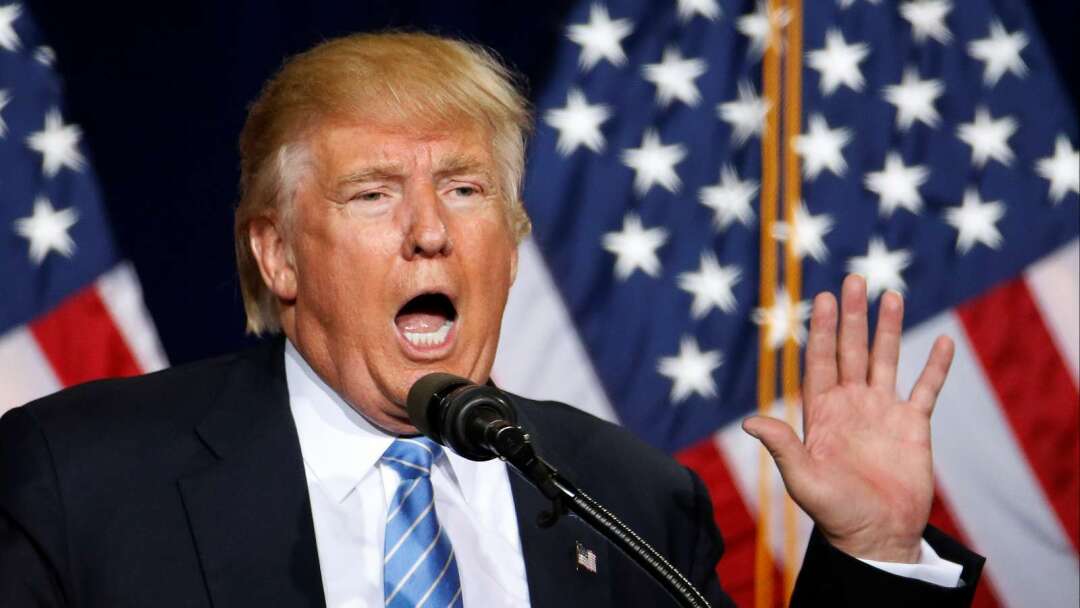
This time, however, Trump does not appear to be rushing to play cheerleader for the stock market.
(Image: REUTERS/TPG)
At the outset of the U.S.-Iran conflict, markets initially assumed the Trump administration would seek to end military involvement before the November midterm elections, allowing time for oil and gasoline prices to ease. Vice President Vance also stated last week that maintaining low oil prices was the government's top priority in handling the U.S.-Iran conflict.
But on Monday, Trump emphasized that the U.S.'s 'primary goal' has always been to prevent Iran from acquiring nuclear weapons—a contrast to Vance's earlier remarks. This suggests the White House may prioritize the nuclear issue, even if related actions keep oil prices elevated, and may not rush to reach an agreement with Iran solely to calm financial markets.
With significant differences remaining between U.S. and Iranian positions, the likelihood of a short-term agreement and the reopening of the Strait of Hormuz—an essential energy shipping route—remains low.
Foreign media analysis suggests that since the S&P 500 only reached a record closing high last Thursday, Trump may feel no urgent need to actively support the stock market, thus increasing his tolerance for short-term volatility.
However, the bond market is what truly deserves attention. If oil prices continue to rise, inflation expectations could heat up again, further pushing up long-term U.S. Treasury yields. If yields keep climbing and Trump does not send calming signals, investors may need to reassess how much the White House is willing to do to prop up financial markets.
In other words, the 'Trump put'—a concept long believed by markets—is now being tested. When preventing Iran from obtaining nuclear weapons is prioritized over lowering oil prices and supporting the stock market, investors may need to adapt to a longer period of rising energy prices, higher bond yields, and geopolitical volatility.
FACT BOX
- Source: PR Times
- Category: News