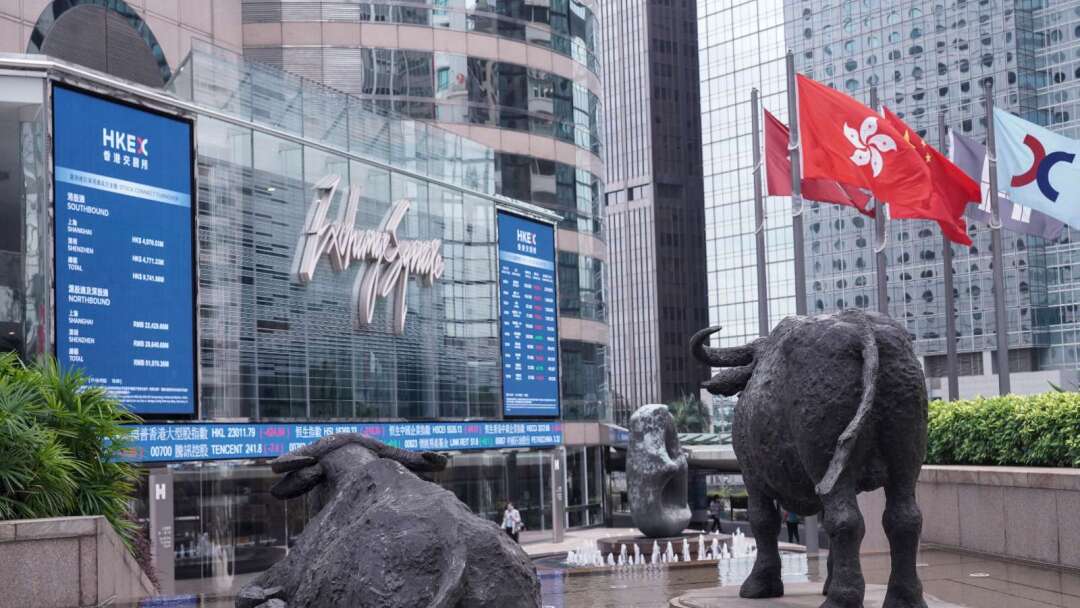
In August, Hang Seng Indexes Company proposed revising the compilation methodology of the Hang Seng Tech Index, planning to expand the number of constituents from the current 30 to 50. This move aims to respond to the continuous expansion of Hong Kong's tech equity structure and resolve the issue that high-growth yet smaller-market-cap companies were previously excluded under a sole market-cap-based selection framework.
China International Capital Corporation (CICC) believes that, in the short term, the adjustment of the new mechanism is expected to bring positive impacts such as capital inflows to potential inclusion candidates. From a long-term perspective, the reduced weighting of the top ten constituents will make the index structure more balanced, helping enhance the Hang Seng Tech Index's overall representativeness and attractiveness to the Hong Kong tech sector.
According to the proposed revisions, the core adjustments include three major directions: First, a significant expansion in the number of constituents; second, the complete removal of traditional industry classification restrictions, reclassifying candidate companies into six restructured tech themes—"Artificial Intelligence," "Advanced Hardware," "Robotics and Automation," "Cloud," "Frontier Technology," and "Digital Platforms and Solutions"; and third, the introduction of a dual-category selection mechanism based on "market cap + revenue growth" to enable high-growth technology firms a pathway into the index.
Regarding this expansion plan, market institutions and analysts have offered multi-faceted views. HSBC Jinxin Fund pointed out that the Hang Seng Tech Index has recently faced performance pressure, primarily due to insufficient exposure to "hard tech" and artificial intelligence fields, thus failing to fully benefit from the current AI market rally. According to simulation estimates, after expansion, the weighting of the top ten constituents will decrease from 70.6% to 66.3%, which will marginally reduce concentration risk, enhance the breadth of the index, and improve the integrity of the tech industry chain.
However, some analysts argue that, assuming the current individual stock weighting calculation remains unchanged, the newly established "revenue growth category" (estimated 10 stocks) will initially account for only about 2.4% of the total index weight—far lower than existing constituents—and therefore the scale of passive fund inflows attracted will be relatively limited.
Historically, Hong Kong corporate earnings disclosure cycles have mostly been semi-annual, leading to potential time lags when confirming rapid revenue growth for index inclusion. Moreover, it cannot entirely eliminate the risk of cyclical industries being included at peak economic conditions, only to experience slowing growth immediately afterward.
According to the official timeline, the final decision on this compilation revision is expected to be announced by the end of September 2026, with formal implementation planned during the December 2026 index review.
FACT BOX
- Source: PR Times
- Category: News