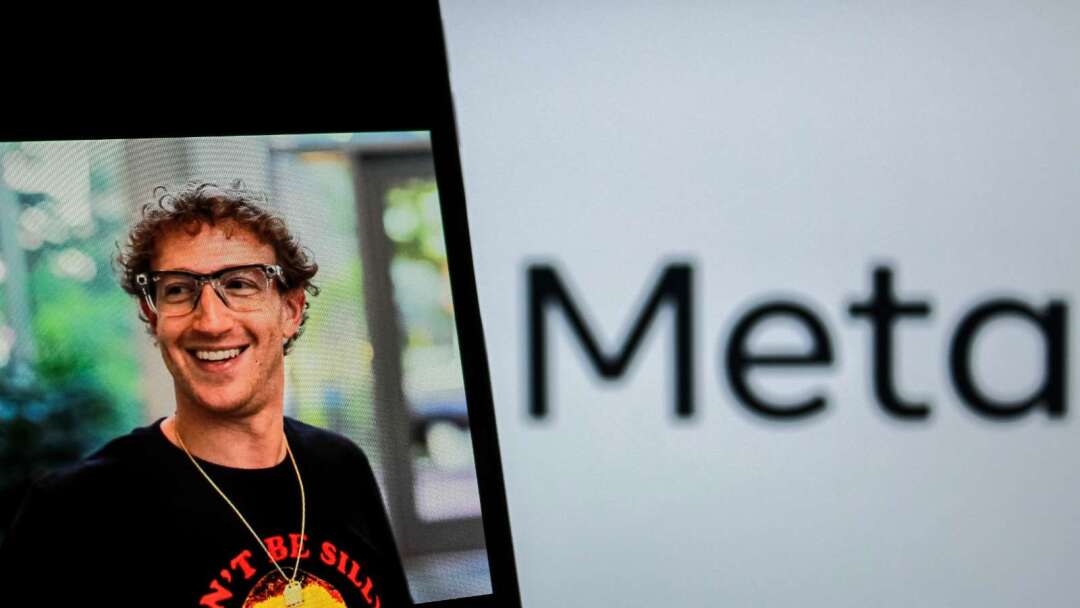
Meta (META-US) is facing a potentially industry-shaking lawsuit over child safety. California, Colorado, Kentucky, and New Jersey have accused Meta’s Instagram and Facebook of posing risks to children and teens, and of using platform design to increase user addiction. The case is currently being heard in federal court in Oakland, California. If the states’ claims are upheld, Meta’s theoretical maximum financial liability could reach $1.4 trillion.
According to Fortune, this lawsuit has drawn intense attention not only due to the staggering potential damages but also because the plaintiffs are state attorneys general. In 2023, 29 state attorneys general formed a coalition to sue Meta, with the aforementioned four states now leading the trial phase.
Meta already faces multiple child safety-related lawsuits across the U.S., but state attorneys general possess litigation powers that private plaintiffs lack. These include the ability to sue under the Children’s Online Privacy Protection Act (COPPA) and to demand court-ordered remedial measures for harms affecting millions.
Eric Goldman, co-director of the High Tech Law Institute at Santa Clara University School of Law, said the stakes are higher because damages could be calculated based on harm to millions of users. Additionally, due to the special litigation authority of state attorneys general, courts could require Meta to implement further corrective actions.
The $1.4 trillion figure is a theoretical upper limit, with actual damages likely to vary significantly.
$1.4 trillion has become a focal point of the trial because Meta argues that, under the legal logic presented by the states, potential fines could reach this scale—amounting to nearly Meta’s own market capitalization.
Goldman said this would be an extraordinarily large sum, effectively transferring a massive portion of Meta’s shareholder value to the public sector if such a penalty were imposed.
However, whether the final judgment will approach $1.4 trillion remains uncertain. An eight-member jury will provide advisory opinions, but the ultimate decision on whether Meta violated the law and what remedies the court should impose rests with U.S. Federal District Judge Yvonne Gonzalez Rogers.
James Grimmelmann, professor of digital and information law at Cornell University, believes this landmark case is unlikely to result in a penalty large enough to bankrupt Meta.
He noted that damage amounts are inherently unpredictable, and jury opinions are not legally binding. Even if the jury recommends an extremely high amount, the presiding judge can reduce it, and appellate courts have the authority to further cut the damages.
A recent case in New Mexico offers a precedent for state-imposed penalties against Meta. Earlier this year, a local jury found Meta violated state consumer protection laws 75,000 times, resulting in a $375 million civil penalty. Subsequently, the judge ruled that Meta’s platforms constituted a public nuisance and ordered the company to pay an additional $567 million to address youth mental health harms, bringing the total financial liability in that case to $942 million. Meta has since filed an appeal.
Meta denies the states’ allegations, arguing they lack substantial evidence.
Stephanie Otway, a Meta spokesperson, said that while state attorneys general have described the case as historic, the claims lack concrete evidence and the financial demands are grossly disproportionate.
Meta argues that the states have not proven that any local users were misled or harmed by the platform features in question. The company contends that age verification is a technical challenge shared across the industry, yet the states are attempting to transform this into punitive liability specifically targeting Meta.
Meta stated it has a track record of protecting youth safety and will defend its position in court.
Although Instagram’s teen users contribute less than 1% of Meta’s total revenue, Goldman noted this is not the core issue.
The real crux is that if the states can convince the court that millions of teen users were harmed, Meta’s legal liability may not be limited to the direct revenue generated from those users.
The case centers on how platforms recommend and present content.
The states’ lawsuit against Meta focuses not merely on what content appears on the platform, but on how Meta designs the platform, recommends content, and presents it to users.
Section 230 of the U.S. Communications Decency Act typically shields online platforms from legal liability for third-party user content. However, the states argue this case is not about holding Meta responsible for user-posted content, but rather about how Meta recommends and presents that content.
Goldman believes this distinction is difficult to maintain in practice. He argues that content itself and how it is edited, distributed, and presented to users are hard to fully separate. However, Judge Rogers did not accept this argument, allowing the case to proceed to trial.
Additionally, Meta has raised a defense under the First Amendment of the U.S. Constitution. Goldman noted that Meta’s choices in presenting user posts can be likened to editorial decisions by news media—such as layout, headline size, and image use—which may fall under First Amendment-protected free expression. However, this argument has not prevented the case from going to trial.
The ruling could set a major precedent for social media, AI, and gaming industries.
Therefore, the most significant impact of this case may not be whether Meta ultimately pays hundreds of millions, billions, or even approaches $1.4 trillion, but whether the court accepts the legal arguments the states are using to challenge platform design.
TikTok, YouTube, and Snapchat (SNAP-US) are already facing similar lawsuits alleging harm to young users. Goldman noted that if the states prevail in Oakland, other plaintiffs may apply this legal framework to other social platforms.
The implications could extend beyond social media. Goldman pointed out that lawsuits are already attempting to apply similar legal logic to generative AI, video games, and social gaming.
This means the Oakland federal court’s ruling could become a key reference point for defining the boundaries of liability in the digital ecosystem. Even if Meta ultimately faces a relatively low damages award, the company can appeal the amount. But if the court establishes a liability standard that breaks through existing legal defenses for platforms, future plaintiffs may repeatedly cite this ruling.
Goldman said that what’s on trial in Oakland isn’t just Meta—it’s the entire internet ecosystem.
FACT BOX
- Source: PR Times
- Category: News
- Organizations: TikTok / YouTube / Snapchat
- Products / services: Instagram / Facebook