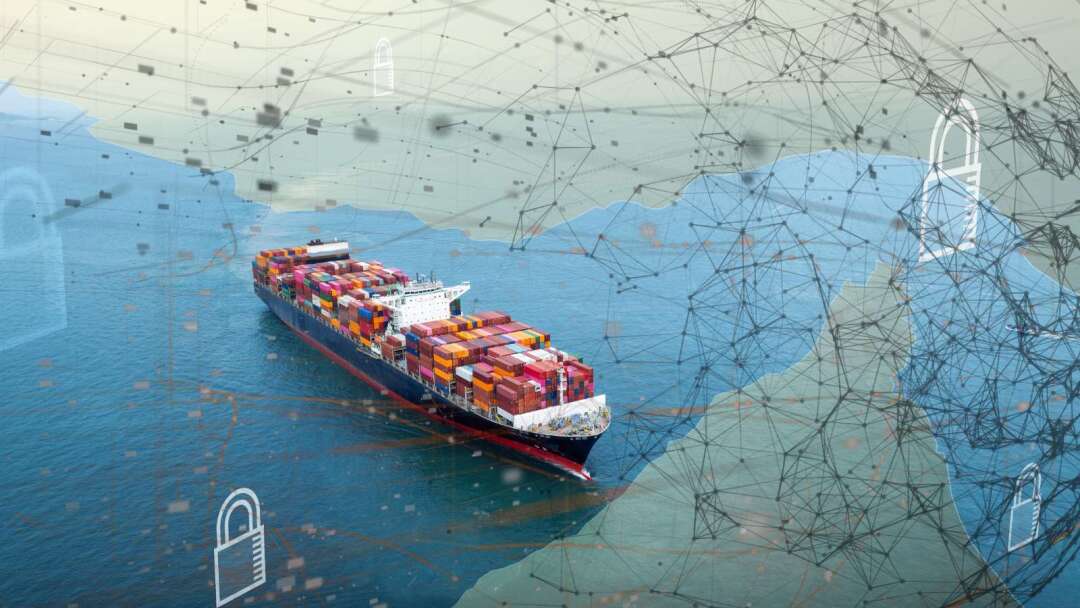
Two smaller crude-producing nations in the Persian Gulf, Kuwait and Qatar, are steadily increasing the volume of oil shipped through the Strait of Hormuz, contributing to global oil price stability.
According to traders, the two countries previously exported a combined 2 million barrels per day before the outbreak of war with Iran. Their shipments have now recovered to about 70% of pre-conflict levels. Earlier, the United Arab Emirates pioneered the use of 'shuttle transport,' conducting ship-to-ship transfers in the Gulf of Oman. Subsequently, Saudi Arabia was forced to rely more heavily on the Strait of Hormuz after its tankers in the Red Sea were attacked by Houthi militants.
Daily crude oil flow through the Strait of Hormuz has risen from approximately 4 million barrels in mid-July to between 7 and 8 million barrels per day, reaching about three-quarters of pre-war levels. Despite ongoing U.S.-Iran tensions over control of the strait, the increased flow has helped bring benchmark Brent crude prices down from over $120 per barrel in late April to around $87.
The rise of this 'shuttle trade' stems from the reluctance of most vessels to risk transiting the Strait of Hormuz. Gulf oil producers are therefore deploying their own fleets or paying exorbitant freight rates to charter tankers, transporting crude beyond the strait before transferring it to other vessels.
Kuwait primarily uses its fleet of 11 Very Large Crude Carriers (VLCCs), many of which have had their satellite tracking systems (AIS) turned off—commonly known as 'going dark'—for over two months. Despite one of its VLCCs being attacked in August, Kuwait has successfully delivered crude to the spot market.
In contrast, Qatar relies mainly on commercial tanker fleets, such as those operated by TotalEnergies, to transport its crude. Qatar Energy has even launched a new sales program this week for ship-to-ship transfers outside the Strait in the Gulf of Oman.
FACT BOX
- Source: PR Times
- Category: News
- Organizations: TotalEnergies